





The Allure of the Instant Fix
The idea that a simple walk on the lawn can instantly realign your spine is incredibly appealing. In our quest for quick wellness wins, it’s easy to see why this notion has taken root. The promise is a natural, free, and immediate solution to the slouching
and back pain that plague many of us who spend hours hunched over desks and screens. However, human physiology is complex. Posture is the result of long-term habits, muscle strength, and skeletal alignment. The truth is, just as poor posture develops over years, correcting it requires consistent effort, not an instantaneous miracle. While the headline’s claim is an overstatement, it points toward a practice with genuine, albeit more gradual, benefits.
The Real Science: Proprioception and Grounding
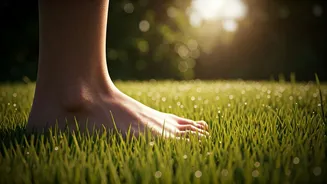
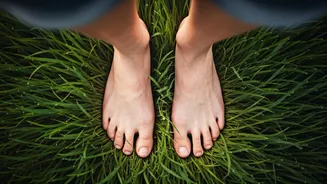
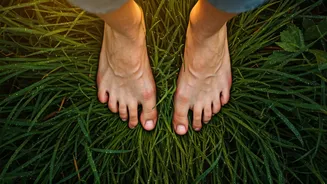
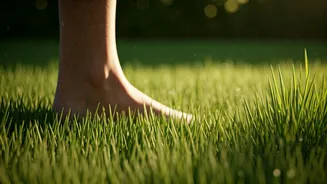
So, what really happens when your bare feet touch the earth? Two key concepts come into play: proprioception and 'grounding.' Proprioception is your body's sixth sense—its ability to know where it is in space. The soles of your feet are packed with thousands of nerve endings that send a torrent of information to your brain about the texture, temperature, and slope of the ground. Walking barefoot supercharges this system. This enhanced feedback helps your body make micro-adjustments in your ankles, knees, hips, and spine to maintain balance, which is the foundation of good posture. The concept of 'grounding' or 'earthing' also suggests that direct physical contact with the earth’s surface can have positive physiological effects, from reducing inflammation to improving sleep, though more research is needed in this area.
Strengthening Your Body's Foundation
Think of your feet as the foundation of a building. If the foundation is weak or unstable, the entire structure will be compromised. Most modern shoes, with their thick, cushioned soles and supportive arches, prevent the small muscles in our feet and ankles from doing their job. Over time, these muscles can weaken. Walking barefoot is like taking your feet to the gym. It forces the intrinsic muscles of the foot, as well as the muscles in your lower legs, to engage and strengthen. A stronger, more flexible foundation provides better support for your entire body, making it easier to maintain proper alignment and a healthy posture from the ground up.
Relearning a More Natural Gait
Cushioned shoes don't just weaken our feet; they change the way we walk. They encourage a heavy 'heel-strike' gait, where the heel hits the ground first with significant force. When you walk barefoot, you instinctively adopt a different pattern. You’re more likely to land on the midfoot or forefoot, a gentler motion that uses the natural springiness of your foot’s arch to absorb impact. This can reduce the jarring force that travels up your legs and into your spine. By encouraging a more natural gait, barefoot walking can help realign your kinetic chain—the interconnected system of your feet, ankles, knees, and hips—leading to a more balanced and efficient posture when you stand and move.
How to Start Your Barefoot Journey Safely
Ready to kick off your shoes? It's best to start slowly. Your feet have likely been accustomed to shoes for years, so they need time to adapt. Begin with just 10-15 minutes a day on a safe, soft surface like a clean lawn or a sandy beach. Pay close attention to where you step to avoid sharp objects, glass, or insects. As your feet get stronger, you can gradually increase the duration. Listen to your body; if you feel any sharp pain (beyond mild muscle soreness), it’s time to stop and rest. It’s also important to maintain good foot hygiene by washing your feet after your barefoot sessions. This isn't about abandoning shoes entirely, but about reintroducing a natural movement into your routine.