





The seated row is a gym staple for building a strong, defined back. But loading up the weight stack without mastering the form first can lead to injury and limit your results. This guide will help you perfect your technique for maximum benefit.
Why Form Trumps Weight
In the
world of strength training, the saying 'form before weight' is a golden rule, and it's especially true for the seated row. Using too much weight often leads to using momentum, rocking your torso back and forth to move the load. This not only shifts the work away from the target back muscles—like the lats, rhomboids, and traps—but also puts your lower back at risk of injury. By prioritising controlled movements with a lighter, manageable weight, you ensure the right muscles are doing the work, which builds a stronger foundation and leads to better, safer gains in the long run.
Setting Up for Success
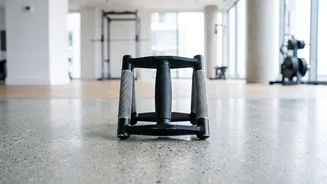
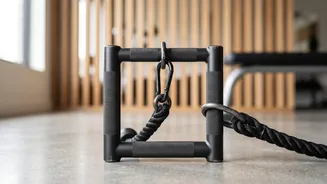
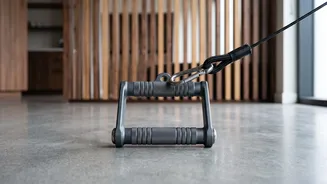
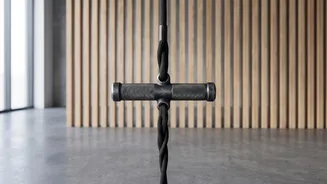
Proper setup is the first step to a perfect row. If using a machine with a chest pad, adjust the seat so the handles are roughly level with your shoulders. For a low-pulley cable row, sit on the bench with your knees slightly bent and feet placed firmly on the footplates. Sit up tall with your chest proud and your back straight, creating a neutral spine. Grasp the handle with your arms fully extended but without letting your shoulders round forward. Before you even pull, engage your core as if bracing for a punch; this will keep your torso stable throughout the exercise.
The Perfect Row: A Step-by-Step Guide
With your setup locked in, it's time to execute the movement. Start the pull not by yanking with your arms, but by drawing your shoulder blades back and together. Think of trying to pinch a pencil between them. As you continue to pull, drive your elbows back past your body, keeping them close to your sides. The handle should travel towards your lower ribs or belly button. Pause for a full second at the peak of the contraction, squeezing your back muscles. Then, in a slow and controlled manner, return the handle to the starting position, allowing your arms to fully extend and your shoulder blades to stretch forward before the next rep. A good tempo to follow is a two-second pull, a one-second hold, and a three-second return.
Common Mistakes to Avoid
Several common errors can sabotage your seated row. The most frequent is using momentum by swinging your torso. If you have to lean back significantly to move the weight, it's too heavy. Another mistake is shrugging your shoulders up towards your ears, which engages the traps excessively instead of the mid-back. Keep your shoulders down and back. Also, watch for a rounded back, which puts dangerous stress on your spine. Finally, many people pull primarily with their biceps instead of initiating with their back. Focusing on driving your elbows back, not just bending your arms, will help correct this.
Unlocking the Benefits
When performed correctly, the seated row is a powerhouse exercise. It primarily strengthens the latissimus dorsi (lats), the large muscles that create back width, as well as the rhomboids and middle trapezius, which are crucial for posture. Strengthening these muscles helps counteract the slouching posture many of us develop from sitting at desks. It also builds pulling strength that translates to everyday activities like opening heavy doors or lifting groceries. Secondary muscles like the biceps and rear deltoids also get a great workout, contributing to overall upper body strength and stability.
How and When to Add More Weight
Progress is the goal, but it must be earned with good form. Before increasing the weight, ensure you can complete all of your desired sets and reps with perfect technique. A good rule of thumb is to add reps first. Once you can comfortably perform the top end of your rep range (for example, 12 reps) for all sets in two consecutive workouts, it's time to add a small amount of weight. After increasing the weight, your reps will likely drop back down to the lower end of your range (e.g., 8 reps). Your new goal is to work back up to 12 reps with this heavier weight, repeating the cycle of progression.