

What is Kanji?
Kanji is a traditional fermented drink, originating from North India, particularly popular in regions like Punjab and Uttar Pradesh. For generations, it has been a household staple, especially prepared during the winter months and associated with festivals
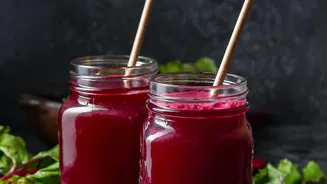
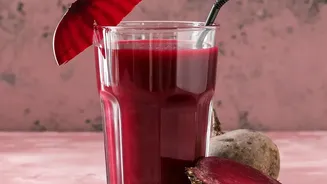
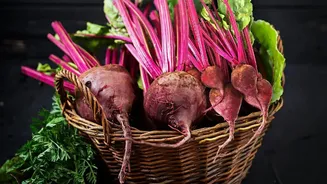
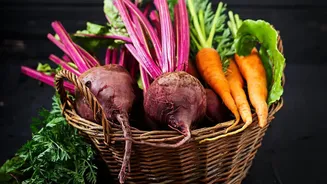
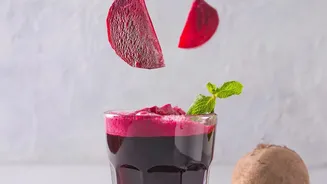
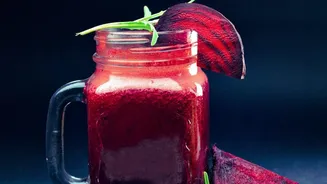
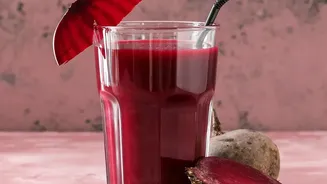
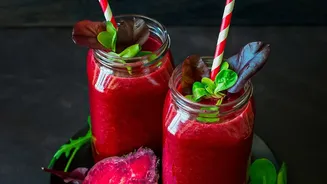
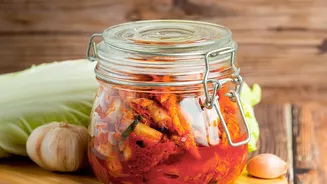
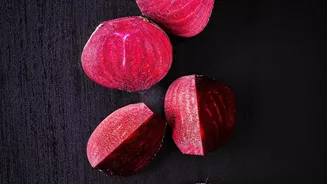
like Holi. The traditional recipe uses black carrots, known as 'kali gajar', which impart a deep, purplish hue to the drink. These carrots are combined with water, salt, and most importantly, coarsely ground mustard seeds, which act as the catalyst for fermentation. The mixture is then left in a glass or ceramic jar, often in the sun, for several days to allow natural fermentation to occur, resulting in its characteristic sour and pungent taste. While black carrots are the classic ingredient, variations using red carrots and beetroot are also common, with beetroot lending a brilliant ruby colour and its own set of earthy-sweet notes.
The Magic of Fermentation and Probiotics
The secret to Kanji’s power lies in lacto-fermentation. This is a natural process where beneficial bacteria, primarily Lactobacillus, break down the sugars in the vegetables. This process not only preserves the drink but also creates a wealth of probiotics—live microorganisms that are incredibly beneficial for gut health. A balanced gut microbiome is linked to improved digestion, better nutrient absorption, and a stronger immune system. In a world increasingly aware of gut health, Kanji stands out as India's answer to other global fermented favourites like kombucha and kefir. The fermentation also makes the nutrients in the vegetables more bioavailable, meaning your body can use them more effectively.
The Power Duo: Black Carrot and Beetroot
Both black carrots and beetroots are nutritional powerhouses, and their benefits are amplified in Kanji. Black carrots are exceptionally rich in anthocyanins, powerful antioxidants that give them their dark colour. These compounds are known to fight inflammation, support cardiovascular health, and protect cells from damage. Beetroot is celebrated for its high content of dietary nitrates, which the body converts to nitric oxide. This helps improve blood flow, which can lead to better stamina and regulated blood pressure. It’s also packed with vitamins and minerals that support liver detoxification and overall health. When combined in Kanji, they create a drink that’s not just a probiotic, but also a potent antioxidant and nutrient-rich tonic.
The Modern Revival in Urban Kitchens
So why is this age-old drink suddenly reappearing on urban dining tables and social media feeds? The renewed interest is driven by a collective shift towards natural, holistic wellness. There's a growing appreciation for traditional food wisdom and a desire to consume foods that are clean and unprocessed. Post-pandemic, the focus on immunity has become paramount, and Kanji, with its combination of probiotics and vitamins, is seen as a natural immunity booster. Furthermore, as awareness about gut health becomes more mainstream, people are actively seeking homemade, accessible probiotic sources, and Kanji fits the bill perfectly. It offers a delicious, low-calorie, and hydrating alternative to sugary commercial beverages.
A Simple Guide to Making Kanji
Making your own Kanji is surprisingly simple. You will need a large, clean glass jar. Start with about 500 grams of black carrots or a mix of regular carrots and one or two beetroots, washed, peeled, and cut into finger-length sticks. Add these to the jar. Next, coarsely grind two tablespoons of mustard seeds (rai) and add them to the jar along with salt to taste (black salt is often used for its tangy flavour) and a pinch of red chilli powder if you like a bit of heat. Pour in about two litres of boiled and cooled water. Stir everything well with a clean wooden spoon, cover the jar with a muslin cloth or a loose lid, and place it in a sunny spot for three to five days. Stir the mixture once a day. You’ll know it’s ready when the liquid turns cloudy, develops a sharp, tangy taste, and may have a slight fizz. Once fermented, you can strain the liquid and store it in the refrigerator for several days, enjoying a small glass daily.