




From Landmarks to Lifestyles
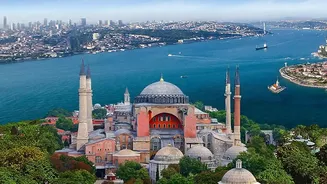
For previous generations, a successful trip was often a checklist of iconic sights: the Eiffel Tower, the Colosseum, the Taj Mahal. The photos were proof of presence. Today's youngest adult travellers, however, are trading this bucket-list approach for
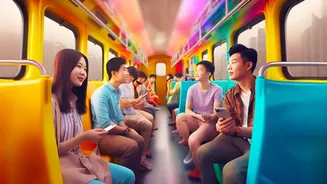
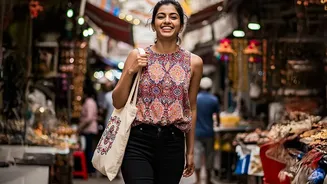
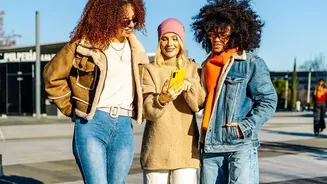
something more immersive. Instead of just seeing the sights, Gen Z wants to understand the soul of a place. This means prioritising experiences like taking a cooking class with a local family, shopping at a neighbourhood market, or learning a traditional craft. The focus has shifted from the aesthetics of a place to the feeling of being part of it, even for a short time. It is less about where you went and more about how you experienced it. This generation seems less interested in vacations built around relaxation and more focused on exploration and excitement.
The Quest for Authenticity
Having grown up online, Gen Z is highly attuned to the difference between a staged photo-op and a genuine moment. They’ve seen the curated perfection of early influencer culture and are now seeking the opposite: experiences that feel raw and real. This has given rise to what could be called an 'authenticity economy'. More than 80% of American Gen Z travellers seek unique experiences when they book a vacation. They are quick to dismiss overly commercialised attractions in favour of adventures that feel unfiltered. This might mean choosing a family-run guesthouse over a global hotel chain or seeking out restaurants and shops that directly support the local community. For this group, the best travel stories come from unscripted moments and real human connections, not perfectly polished itineraries.
Social Media's New Role
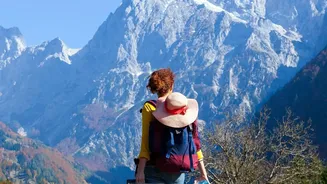
While the desire for authenticity is a reaction against a certain type of social media content, platforms like TikTok and Instagram are also powerful tools for discovering these local experiences. Where influencers once showcased unattainable luxury, a new wave of creators highlights hidden gems and off-the-beaten-path destinations. For Gen Z, social media isn’t just for showing off; it's a primary tool for research and discovery, with nearly 90% saying it influences their travel plans. The algorithm can lead them to a neighbourhood they’d never have found in a guidebook, turning passive scrolling into active inspiration. However, this can create a paradox, as viral videos on social media can risk turning once-hidden spots into overcrowded tourist traps, a phenomenon known as overtourism.
Values-Driven Journeys
More than any generation before them, Gen Z makes consumer choices based on their values, and travel is no exception. There is a strong desire for sustainable and ethical tourism. Many young travellers are highly conscious of their environmental impact and the effects of overtourism. Studies show they are more willing to travel during the off-peak season to reduce crowding and choose travel providers that demonstrate environmental responsibility. This values-driven approach extends to social impact as well. Gen Z travellers want to know their money is supporting local economies and preserving cultural heritage. A trip becomes more meaningful if it contributes positively to the place being visited.