






Start at the Source
Before you can tackle the smell, you have to understand it. Pet odours primarily stem from a few key culprits: dander (tiny skin flakes), saliva, urine or faeces accidents, and natural body oils. In India's often humid climate, these issues are magnified.
Moisture in the air can reactivate old, dried urine crystals in carpets and fabrics, making smells you thought were gone reappear with a vengeance. Sometimes, a persistent, unusual odour can also signal an underlying health issue in your pet, such as dental problems or a skin infection, so a vet check-up is a wise first step if the smell is new or particularly strong.
A Deep-Cleaning Offensive
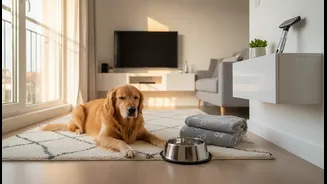
Soft surfaces are odour magnets. Your curtains, sofa, rugs, and carpets absorb and trap everything from fur to dander. A rigorous cleaning schedule is non-negotiable. Start by sprinkling baking soda liberally on all fabric surfaces, letting it sit for at least 30 minutes to absorb odours, and then vacuuming it up thoroughly. For washable items like cushion covers and pet bedding, a weekly wash in hot water with a pet-safe detergent is crucial. Adding a cup of white vinegar to the wash cycle can also help neutralize stubborn smells. When it comes to floors, opt for pet-safe, pH-neutral cleaners, as harsh chemicals like phenyl can be toxic to pets, especially cats.
Improve Your Air Quality
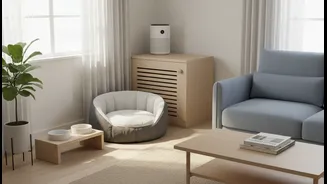
In a small flat, ventilation is your best friend. Open windows to create cross-breezes and circulate fresh air whenever possible. However, for a more targeted approach, an air purifier is an excellent investment. Look for a model with a multi-stage filtration system that includes a pre-filter for hair, a True HEPA filter to trap dander, and an activated carbon filter, which is essential for absorbing odour molecules. Placing the purifier in the room where your pet spends the most time can dramatically improve the air quality and reduce airborne allergens and smells.
Smarter Bedding and Litter Management
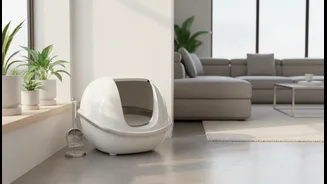
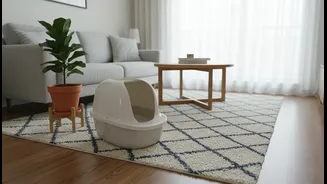
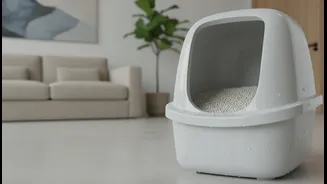
Your pet’s personal space is a major odour hotspot. Wash their bedding weekly, at a minimum. Ensure it dries completely to prevent mildew. For cat owners, litter box hygiene is paramount. Scoop waste daily and completely change the litter regularly. Washing the box with mild soap and water is better than using harsh chemicals. Sprinkling a layer of baking soda at the bottom of the box before adding fresh litter can help absorb ammonia odours.
Grooming Is an Odour-Buster
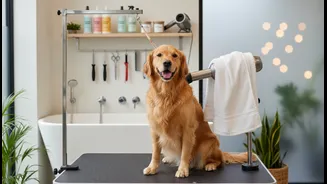
A clean pet means a cleaner-smelling home. Regular grooming removes loose hair and dander before they can settle on your furniture. Bathing your pet with a suitable shampoo helps remove dirt and oils trapped in their fur. In humid weather, which can encourage yeast and bacterial growth on skin, a waterless shampoo foam can be a great option for quick clean-ups after walks, especially for paws. Don't forget dental hygiene; brushing your pet's teeth or providing dental chews can combat bad breath, another contributor to household odours.
Natural and Safe Deodorisers
You don't need harsh chemicals to fight smells. A simple spray bottle filled with equal parts white vinegar and water is a powerful, natural deodoriser for spot-treating accidents and spritzing on fabrics (after a patch test). The vinegar smell dissipates as it dries, taking other odours with it. Placing small, open bowls of activated charcoal or baking soda in inconspicuous corners can also passively absorb ambient smells from the air. While some essential oils can be used, be extremely cautious as many are toxic to pets, particularly cats.