







The Danger of a 'First Flush' on Roads
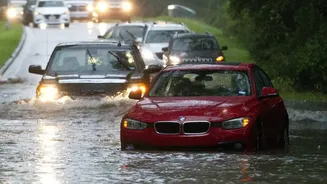
After a dry spell, roads accumulate oil, grease, and other pollutants. The first significant rainfall lifts these residues, creating an exceptionally slippery surface—a phenomenon often called the 'first flush'. This slick mixture dramatically reduces
tyre traction, making vehicles more susceptible to skidding. Driving at high speeds in these conditions can lead to hydroplaning, where tyres lose contact with the road surface entirely, causing a complete loss of steering and braking control. To stay safe, it is crucial to reduce speed, increase following distance to at least four seconds, and avoid sudden braking or sharp turns. Using headlights for better visibility is also essential, even during the day.
Waterlogging and Invisible Health Risks
Stagnant water from heavy downpours is a perfect breeding ground for mosquitoes, leading to a spike in vector-borne diseases like dengue and malaria. Furthermore, floodwater is often contaminated with sewage, animal waste, and other pollutants, creating a serious risk of waterborne diseases. Walking through waterlogged areas, even with minor cuts or scrapes on your skin, can expose you to infections like leptospirosis, a bacterial disease that can cause fever, muscle pain, and in severe cases, kidney or liver failure. The best prevention is to avoid wading through stagnant water whenever possible and maintain strict hygiene.
The Threat of Sudden Landslides
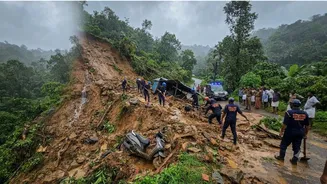
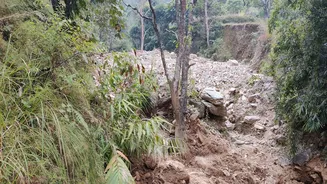
Hilly and mountainous regions are especially vulnerable after dry periods. When prolonged drought makes soil compacted and less absorbent, a sudden, intense downpour doesn't soak in. Instead, the water runs off rapidly, and the sheer volume can destabilize slopes, leading to landslides or mudslides. These events can happen with little warning, posing a grave danger to homes and infrastructure in their path. Research shows that heavy rain following a long dry spell can quickly increase the risk, as the dry, cracked ground is more prone to failure when suddenly saturated. It is vital for residents in at-risk areas to be aware of their surroundings and heed any official warnings.
Electrical Hazards from Water and Wires
Water and electricity are a lethal combination. During heavy rains, waterlogging can create severe electrical hazards. Downed power lines can energise puddles and entire waterlogged areas, posing a deadly threat of electrocution. It's crucial to stay far away from any fallen wires and treat them as live. Even within the home, safety is paramount. Avoid touching electrical switches or appliances with wet hands, and unplug non-essential devices during thunderstorms to protect them from power surges caused by lightning strikes. Before the rainy season, it's wise to have your home's wiring inspected for any damage or wear that could become a hazard when exposed to moisture.
Potential Damage to Property and Structures
The force of a sudden downpour can overwhelm drainage systems like gutters and drains, which may be clogged with leaves and debris from the dry season. When water cannot drain away effectively, it can pool on roofs or around the foundation of a building. This can lead to leaks, water damage inside the home, and even long-term structural problems. Water seeping into a building's foundation can cause cracks and weaken its stability over time. Similarly, waterlogged soil can erode, destabilizing gardens, fences, and other outdoor structures. Regular maintenance of drainage systems is a key preventive measure.