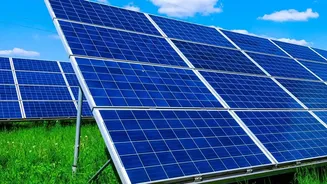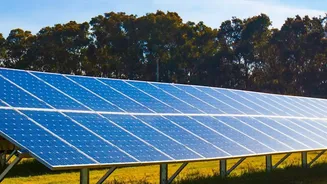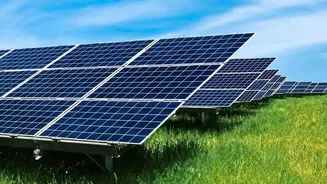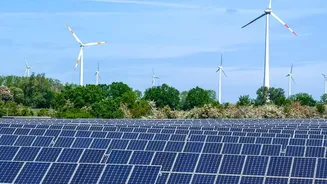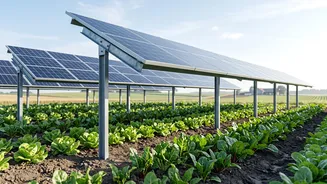






Agrivoltaics, the dual use of land for both solar power and farming, is a promising solution for a land-scarce country like India. But for this synergy to work at scale, developers and farmers must overcome significant on-the-ground technical hurdles.
The Promise of a Double Harvest
Imagine a single plot of land generating clean energy and producing food simultaneously. This is the core appeal of agrivoltaics, also known as agrisolar. In a nation with ambitious renewable energy targets and a vital agricultural sector, this model seems like a perfect fit. By installing solar panels high above the ground, farmers can cultivate crops or graze livestock underneath. Early studies and pilot projects across India have shown this can increase land productivity, improve water efficiency by reducing evaporation, and in some cases, even boost the yield of certain shade-tolerant crops like leafy vegetables and herbs. However, moving from small-scale pilots to large commercial farms reveals a set of complex operational challenges that need solving.
The Panel Maintenance Puzzle
In a standard solar farm, panel maintenance is straightforward. In an agrivoltaic system, it’s a different story. The very farming activities that make the land productive also create maintenance headaches for the solar array. Dust from ploughing, pollen, and residue from harvesting can coat the panels, requiring more frequent cleaning—as often as every four to six weeks compared to every eight to twelve for conventional solar farms. This increased cleaning schedule alone can raise maintenance costs by 20-30%. Furthermore, the panels are often installed four to five metres off the ground to allow machinery and livestock to pass underneath, making them harder and more dangerous to access for manual cleaning crews. The use of certain cleaning chemicals may also be incompatible with organic farming practices, adding another layer of complexity.
Innovations in Panel Upkeep
Engineers and agronomists are tackling these maintenance issues with a mix of smart design and technology. One of the most promising solutions is the use of automated or robotic dry-cleaning systems. These robots can operate at night or during non-farming hours, require no water, and keep human workers safely on the ground. Another practical approach is on-site rainwater harvesting. Rainwater is naturally soft and free, making it ideal for cleaning panels without causing the mineral buildup, or 'scaling', that often results from using hard groundwater common in many parts of India. This collected water can then double for crop irrigation. Finally, careful planning of panel height and spacing to comply with safety standards is crucial to ensure farm machinery can operate without damaging either the crops or the solar infrastructure.
Beneath the Surface: Soil Health Concerns
The long term success of agrivoltaics depends not just on what happens above ground, but also on what happens below. The construction and ongoing maintenance of a solar farm can have significant impacts on soil health. The use of heavy machinery for installation and upkeep can lead to severe soil compaction. Compacted soil hinders root growth, reduces water infiltration, and can ultimately lower crop yields. The panels themselves also change the environment. They alter rainfall distribution, creating drier zones directly underneath and wetter 'drip lines' at the edges, which can lead to erosion. This shading also changes soil temperature and can affect the delicate microbial communities that are essential for nutrient cycling and overall soil fertility.
Cultivating Healthier Soils Under Panels
Just as with maintenance, there are emerging best practices to protect and even enhance soil health on solar farms. The principle of minimal disturbance is key. This includes using low impact construction techniques like driving posts instead of using large concrete footings and using tracked vehicles to distribute weight. Preserving the original topsoil during construction is vital, as is establishing a permanent cover of vegetation, such as native grasses or specially selected cover crops, immediately after construction to prevent erosion. These plants' root systems help maintain soil structure and improve water absorption. Some advanced agrivoltaic designs even incorporate rotational grazing of livestock like sheep, whose movement can help aerate the soil while their manure provides natural fertilizer, turning a potential problem into a regenerative solution.