




Understanding Cholesterol: The Good vs. The Bad
Before diving into fats, it's essential to understand cholesterol. Your body produces cholesterol, a waxy substance, to build healthy cells. It travels through your bloodstream attached to proteins, forming lipoproteins. The two main types you need to know
are LDL (low-density lipoprotein) and HDL (high-density lipoprotein). LDL is often called "bad" cholesterol because high levels can lead to the buildup of plaque in your arteries, increasing your risk for heart disease. HDL, or "good" cholesterol, works like a scavenger, carrying excess cholesterol from your body back to the liver, where it's removed. A healthy balance between these two is crucial for cardiovascular well-being.
Saturated vs. Unsaturated Fats: A Simple Guide
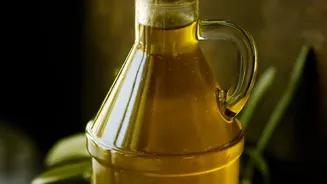
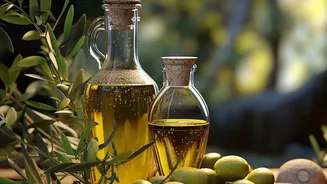
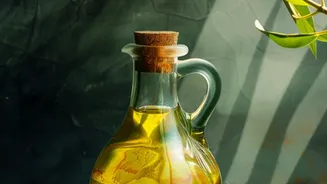
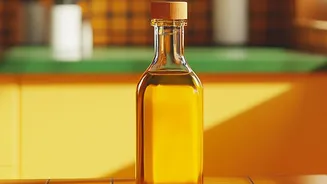
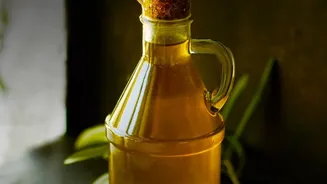
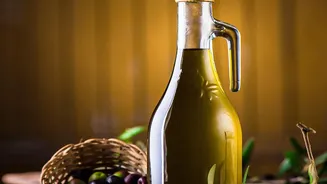
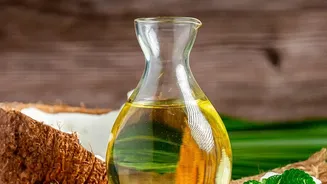
The fats we eat are a major factor influencing our cholesterol levels. They fall into two main camps: saturated and unsaturated. Saturated fats are typically solid at room temperature and are found in animal products. Think butter, ghee, lard, and fatty meats. Eating too much saturated fat can raise your LDL (bad) cholesterol levels. Unsaturated fats, which are liquid at room temperature, are considered beneficial fats. They are found mainly in plant-based foods like vegetable oils, nuts, and seeds. This group is further divided into monounsaturated fats (found in olive, peanut, and canola oils) and polyunsaturated fats (found in sunflower, corn, and soybean oils). These healthier fats can help improve blood cholesterol levels when they replace saturated fats in your diet.
How the Swap Lowers Bad Cholesterol
When you replace saturated fats with unsaturated fats, you initiate a powerful, positive change in your body's cholesterol management system. Unsaturated fats, particularly polyunsaturated fats, are known to actively lower LDL cholesterol levels. They help your body's cells become more efficient at absorbing cholesterol from the blood. This dietary shift encourages the liver to pull more LDL cholesterol out of circulation, reducing the amount that can build up in your arteries. Essentially, by choosing an unsaturated oil over a dollop of butter or ghee, you are giving your body a tool to naturally clear out the 'bad' cholesterol more effectively.
Making Smart Choices in the Kitchen
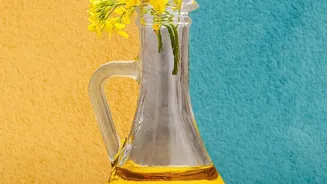
Incorporating this change into your daily cooking is simple. For sautéing, stir-frying, and general cooking, several oils common in Indian kitchens are excellent choices. Mustard oil, a staple in many regions, is rich in both monounsaturated and polyunsaturated fats (MUFA and PUFA). Groundnut (peanut) oil is high in MUFA and is great for various cooking methods due to its high smoke point. Other beneficial oils include sunflower, safflower, rice bran, and sesame (til) oil. Rice bran oil, for instance, contains a compound called oryzanol which has been shown to help reduce cholesterol absorption. The key is to rotate your oils to get a wide range of fatty acids and benefits.
The Place for Ghee: Tradition and Moderation
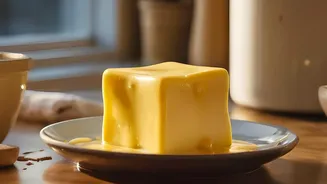
The conversation about healthy fats in an Indian context wouldn't be complete without discussing ghee. Revered in Ayurveda and central to our cuisine, ghee is a pure fat made by removing milk solids from butter. While it is high in saturated fat, it also contains some fat-soluble vitamins and beneficial fatty acids like butyrate. The key to including ghee in a heart-healthy diet is moderation. Think of it not as your primary cooking fat, but as a finishing flavour for your dal or a light spread on a roti. Health experts suggest that for healthy individuals, a small amount like one or two teaspoons a day can fit into a balanced diet, especially when it replaces other saturated fats, not adds to them.