




The Sun's Approaching Fever Pitch
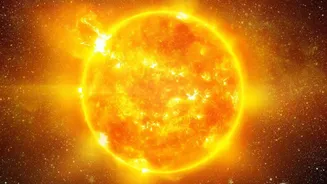
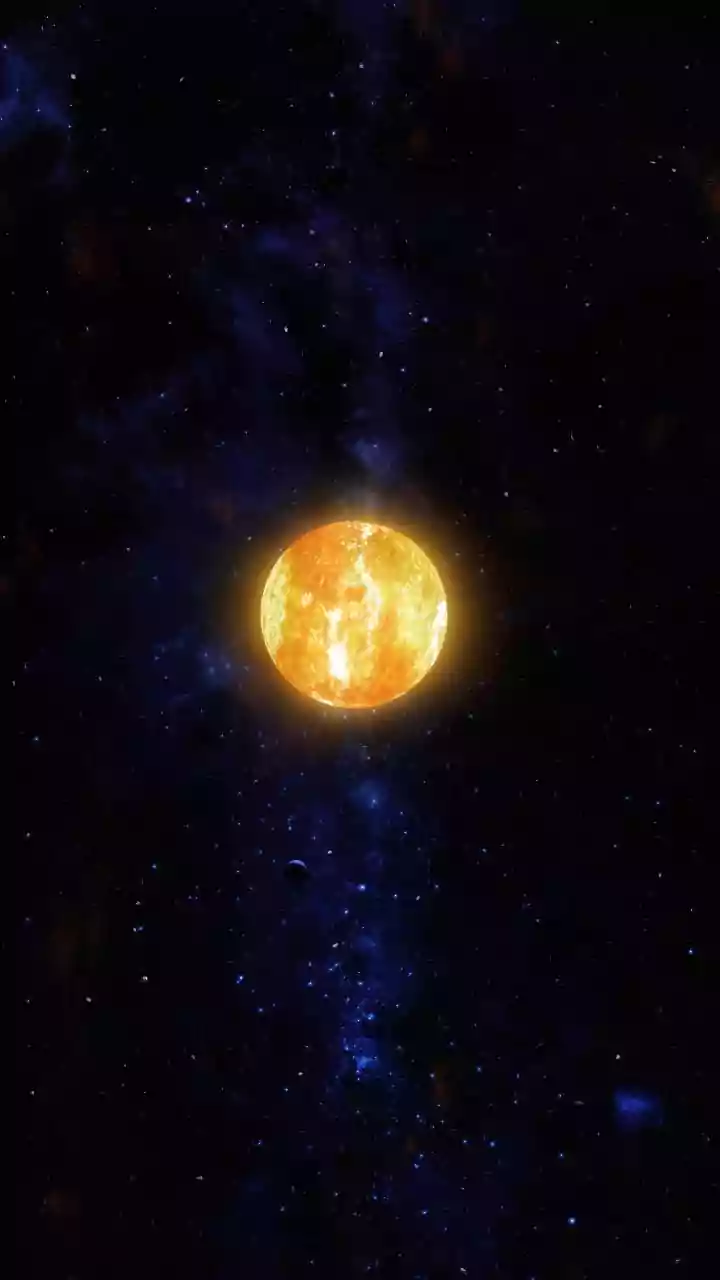
Our Sun operates on an approximately 11-year cycle, swinging from a quiet phase, known as the solar minimum, to a turbulent peak called the solar maximum. We are currently in Solar Cycle 25, which began in December 2019. Initial forecasts predicted a mild
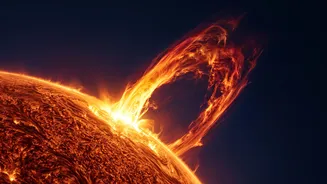
cycle, but the Sun has been far more active than expected. This has led scientists to revise their predictions, with the peak of activity now anticipated to be a broad period stretching from late 2024 through 2026. During this maximum, the Sun's surface boils with an increased number of sunspots—dark, magnetically complex regions that are the launchpads for powerful solar flares and massive explosions of plasma called Coronal Mass Ejections (CMEs). This heightened activity is not just a celestial spectacle; it poses a significant threat to the technology our world runs on.
Satellites in the Firing Line
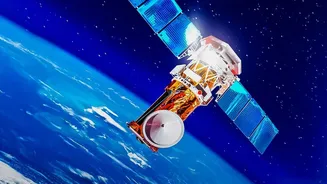
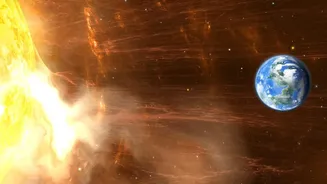
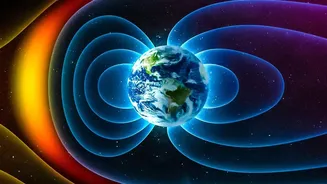
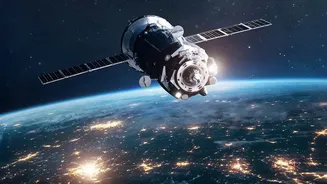
Satellites are particularly vulnerable to this 'space weather'. When a solar flare erupts, it sends a wave of intense radiation that can reach Earth in just eight minutes, potentially causing radio blackouts and disrupting communication signals. CMEs are slower, taking one to three days to arrive, but they can trigger geomagnetic storms that are even more dangerous. These storms heat and expand Earth's upper atmosphere, increasing the drag on satellites in low-Earth orbit (LEO). This drag can cause satellites to lose altitude, requiring them to burn precious fuel to stay in their correct orbit and avoid collisions. Furthermore, high-energy particles from these solar events can damage a satellite's sensitive electronics, flip digital bits from 0 to 1 in its memory (a 'single-event upset'), degrade solar panels, and even lead to complete system failure.
A High-Stakes Defence Strategy
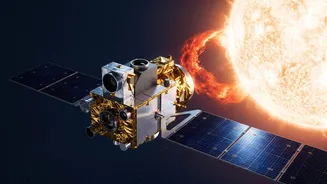
Faced with this growing threat, satellite operators are not standing idly by. Forewarned is forearmed, and thanks to a fleet of solar observation satellites, forecasting has improved dramatically. Agencies like ISRO are keeping a constant watch on dozens of Indian satellites, ready to act when a major solar event is detected. When a warning is issued, operators can put their satellites into a protective 'safe mode', shutting down non-essential systems to minimize exposure to harmful radiation. They can also adjust a satellite's orientation to shield its most sensitive components or perform orbital manoeuvres to counteract increased atmospheric drag. New satellites are increasingly being built with radiation-hardened components and more robust shielding to withstand the harsh space environment. These preparations are crucial for mitigating the business risk of service interruptions and potential revenue loss.
What This Means for Us in India
The stability of satellite networks is directly linked to many services we take for granted. A significant disruption could affect GPS and other navigation systems (GNSS), impacting everything from ride-hailing apps and food delivery to precision agriculture and aviation. Satellite television broadcasts could be interrupted, and the high-frequency radio communications used by ships and aircraft could face blackouts. Even digital financial transactions that rely on satellite-based timing signals could be at risk. While a catastrophic, Carrington-level event remains a low-probability, high-impact scenario, even moderate solar storms can cause noticeable disturbances. The increased monitoring and preparedness by operators like ISRO are essential to ensure the resilience of India’s growing digital infrastructure against the Sun's fiery temperament.