







The Secret Ingredient for a Thriving Garden
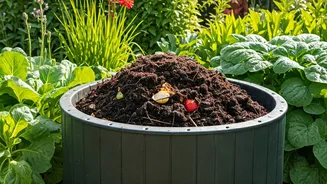
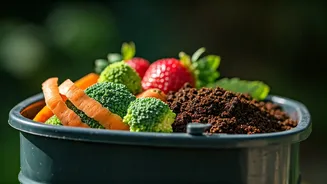
At its heart, compost is simply decomposed organic matter. Think of it as nature's ultimate recycling program. Instead of throwing away kitchen scraps like vegetable peels, tea leaves, and fruit cores, you let them break down with the help of microorganisms
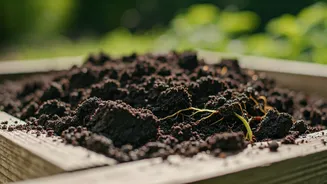
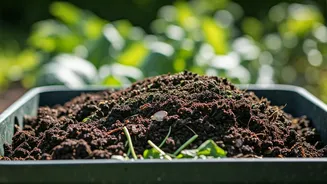
into a rich, dark, soil-like material. This finished product is teeming with nutrients and beneficial microbes. For decades, it was the default in rural and ancestral homes, but now urban dwellers are rediscovering its power. This isn't just about feeding plants; it's a fundamental shift in how we view waste, turning what was once destined for the landfill into a life-giving resource for our balconies, terraces, and gardens.
Why It’s More Than Just Plant Food
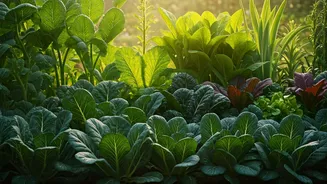
The benefits of compost go far beyond providing a simple nutrient boost. When you mix compost into your soil, you are dramatically improving its structure. For the heavy clay soils common in some parts of India, it improves drainage and aeration. For sandy soils, it helps retain moisture and nutrients, which is a game-changer during our hot, dry seasons. This means you’ll need to water your plants less often. Furthermore, the rich microbial life in compost helps suppress plant diseases and pests, reducing the need for chemical pesticides. On a larger scale, composting at home significantly reduces the amount of waste sent to our overburdened landfills. When organic matter rots in a landfill, it releases methane, a potent greenhouse gas. Composting, an aerobic process (meaning it uses oxygen), avoids this entirely.
Your Kitchen’s Second Life: What to Compost
The beauty of composting is that your kitchen is already full of perfect ingredients. A healthy compost pile needs a balance of 'greens' (nitrogen-rich materials) and 'browns' (carbon-rich materials). A good rule of thumb is to aim for roughly one part green to two parts brown. **Greens from an Indian kitchen:** - Vegetable and fruit peels and scraps (onions, potatoes, bananas, etc.) - Used tea leaves and coffee grounds - Crushed eggshells - Leftover cooked rice or dal (in small amounts, as they can attract pests) **Browns you can easily find:** - Dried leaves and twigs from your garden or neighbourhood - Shredded newspaper or cardboard (avoid glossy paper) - Sawdust or wood chips - Dried coconut husks and fibres **What to avoid:** - Meat, fish, and bones - Dairy products like cheese and paneer - Oily, greasy, or very spicy foods - Pet waste These items can create foul odours and attract unwanted pests.
Getting Started: The Easiest Methods
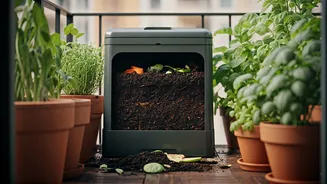
You don't need a massive garden to start composting. Many city dwellers successfully compost right on their balconies. The simplest way to begin is with a compost bin. You can buy terracotta composters (like the popular stacked 'khamba' pots) or simply use a large plastic bucket with holes drilled in the sides and bottom for aeration. The process is straightforward: start with a layer of 'browns' at the bottom. Then, add a layer of 'greens' from your kitchen. Cover the greens with another layer of browns. This layering technique helps maintain the carbon-nitrogen balance and prevents odours. Keep the pile as moist as a wrung-out sponge—not too wet, not too dry. Turn the pile with a small rake or stick every week or two to aerate it. In a few months, the material at the bottom will transform into dark, crumbly, sweet-smelling compost.
Common Myths and Simple Fixes
Many people hesitate to start composting because they fear it will be smelly or attract pests. These problems are almost always preventable. If your compost pile starts to smell sour or like ammonia, it's a sign that you have too many 'greens' (nitrogen) and not enough 'browns' (carbon). The fix is simple: add a generous layer of dried leaves, shredded paper, or cocopeat and mix it in. If you're worried about pests like flies or rodents, always make sure to bury your fresh kitchen scraps under a layer of browns. Keeping a lid on your bin also helps. A well-managed compost pile smells earthy and pleasant, like a forest floor after rain, not like a garbage dump.