


Beyond the Standard Palace Circuit
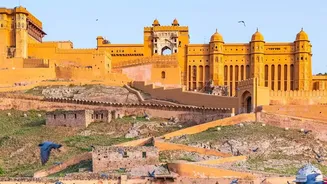
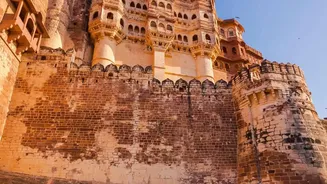
A standard five-day tour of Rajasthan often feels like a race against time, hopping between the major cities of Jaipur, Jodhpur, and Udaipur. While the magnificent forts and opulent palaces are undoubtedly worth seeing, this well-trodden route can sometimes
feel superficial, leaving little room for genuine connection. The real heartbeat of Rajasthan is found not in its grand architecture but in the hands of its people. Countless villages, often just a short drive from the main tourist hubs, are home to artisan communities that have preserved their craft traditions for centuries. A journey focused on these villages offers a more intimate and memorable experience, replacing passive sightseeing with active participation and cultural immersion.
Days 1-2: Jaipur’s Printing and Pottery Hubs
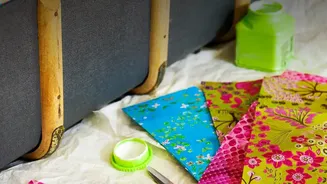
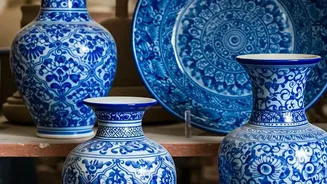
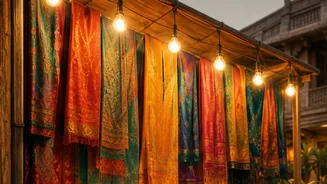
Begin your journey in Jaipur, but look beyond the city walls. The nearby villages of Sanganer and Bagru are world-renowned centres for hand-block printing. Here, you can witness the entire process, from artisans meticulously carving intricate designs into wooden blocks to the rhythmic stamping of patterns onto vast lengths of fabric. Many workshops offer hands-on experiences, allowing you to try printing your own scarf or tote bag under the guidance of a master artisan. This isn't just a souvenir hunt; it's a chance to understand the patience and precision behind a craft that has adorned everything from royal garments to modern fashion. Beyond textiles, the region is also known for its distinctive Blue Pottery, a Turko-Persian tradition that uses a mix of quartz powder instead of clay. Visiting a studio offers insight into this unique, non-clay pottery and its delicate hand-painted motifs.
Days 3-4: The Weavers and Potters of Jodhpur
From Jaipur, travel towards Jodhpur, the Blue City. About 20 kilometres outside the city lies Salawas, a village famous for its 'durries'—thick, flat-woven cotton rugs. Almost every household has a loom, and the air hums with the steady thud of the 'panja', a metal comb used to beat the threads tightly into place. Weavers create bold, geometric designs, many passed down through generations without any written patterns. A visit here allows you to see this slow, methodical work up close and purchase rugs directly from the families who make them. Nearby, the Bishnoi villages offer another layer of cultural discovery. Known for their deep-rooted conservationist ethics, these communities are also home to skilled potters and block printers who practise their crafts in harmony with nature. A tour here often combines craft demonstrations with glimpses of local wildlife, like blackbuck antelope grazing freely.
Day 5: Udaipur’s Miniature Art and Rural Crafts
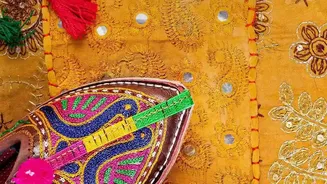
The road to Udaipur is dotted with opportunities for artistic discovery. Udaipur itself is famous for its tradition of miniature painting, an incredibly detailed art form that once chronicled courtly life. While many galleries are in the city, some of the most authentic craft experiences lie in the surrounding countryside. Villages like Molela are known for their unique terracotta plaques featuring deities and scenes from rural life. Other communities specialise in leatherwork, crafting the embroidered 'mojari' footwear famous across Rajasthan. For a consolidated experience, the Shilpgram craft village on the outskirts of Udaipur showcases a wide array of regional arts in one place. It was designed to allow artisans from different communities to demonstrate their skills and sell their work directly, offering a fantastic overview of Rajasthan's diverse heritage.
Planning Your Artisan Tour
Structuring a trip around artisan villages is more accessible than it sounds. Many villages like Sanganer, Bagru, and Salawas are easy half-day or full-day trips from their respective hub cities. You can hire a car and driver for flexibility or join a dedicated craft tour. Several organisations and social enterprises focus on connecting travellers with artisan families, offering workshops and curated experiences that ensure your money directly supports the community. When visiting, always be respectful. These are people's homes and workplaces, not just tourist attractions. Engage with the artisans, ask questions about their craft, and if you choose to buy something, know that you are taking home a piece of living history, not just a mass-produced souvenir. This approach to travel provides a deeper appreciation for the skill and cultural heritage woven into the fabric of Rajasthan.