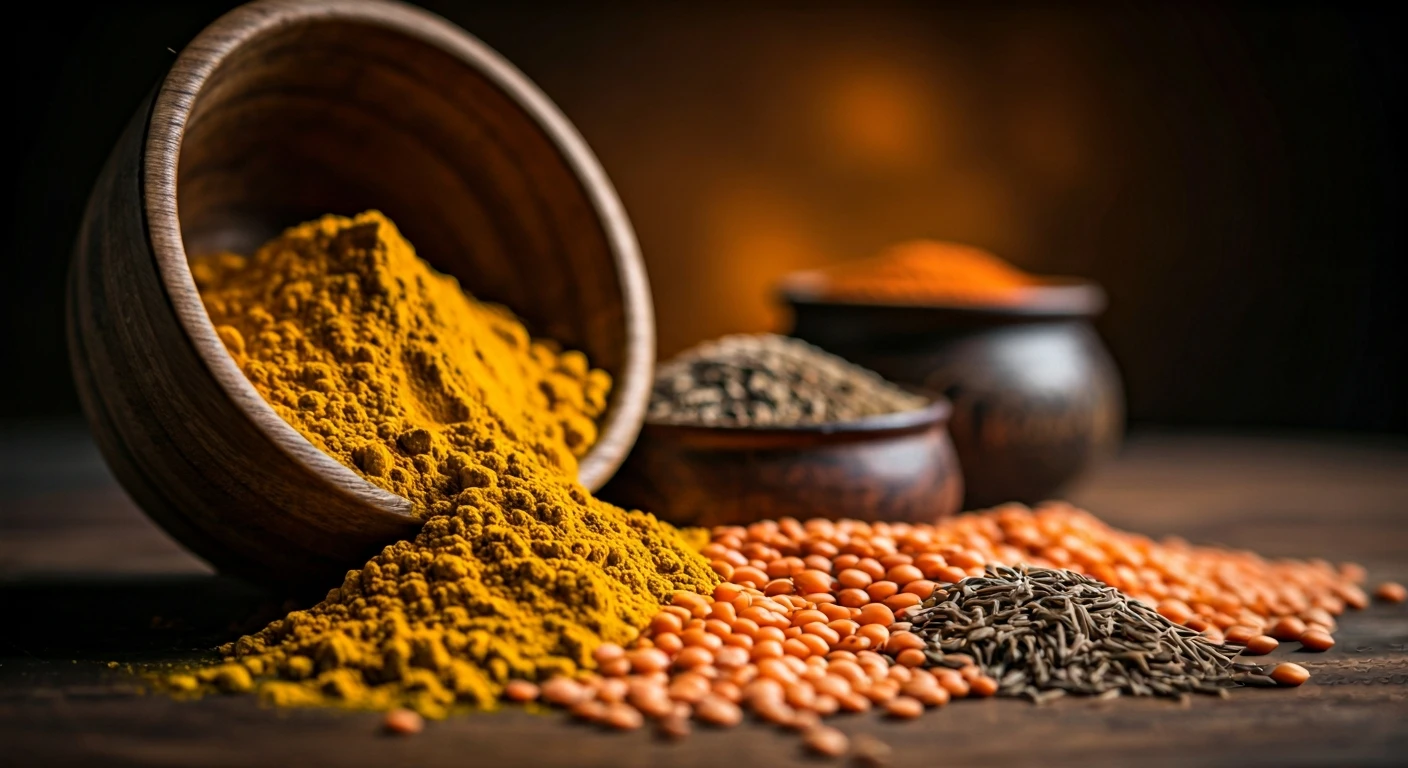





1. The Golden Power of Turmeric (Haldi)
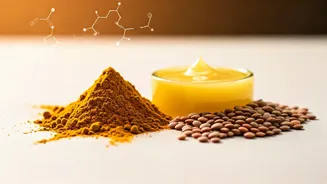
This vibrant yellow spice, a cornerstone of Indian cooking, is more than just a flavouring agent. Turmeric's power comes from curcumin, a compound with potent anti-inflammatory and antioxidant properties. Inflammation is a root cause of many chronic conditions,
and regular consumption of turmeric may help manage it. As an antioxidant, it helps neutralise harmful free radicals in the body. Beyond adding it to curries and sabzis, a pinch in warm milk (haldi doodh) or even your morning smoothie is an easy way to harness its benefits.
2. The Humble Might of Lentils (Dal)
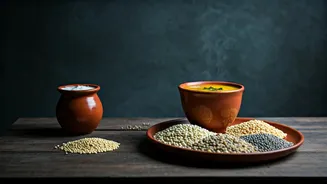
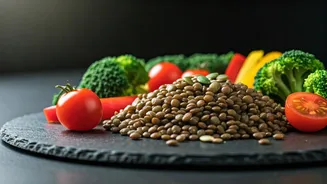
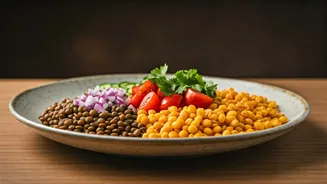
Dal is the comforting soul of Indian cuisine, and its nutritional profile is formidable. Lentils are a fantastic source of plant-based protein, essential for muscle repair and growth. They are also packed with dietary fibre, which aids digestion, promotes a feeling of fullness, and helps regulate blood sugar levels. Furthermore, dals are rich in vital minerals like iron, which is crucial for preventing anaemia, and folate, which is especially important for cell growth and metabolism. A simple bowl of dal provides a complex package of macronutrients and micronutrients.
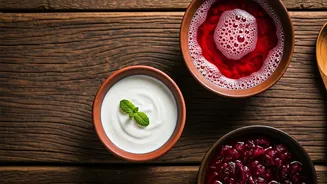
3. The Gut-Friendly Goodness of Yoghurt (Dahi)
Homemade dahi is a nutritional powerhouse that has been cherished for generations. Its primary benefit lies in its probiotic content. These live 'good' bacteria are essential for maintaining a healthy gut microbiome, which is linked to better digestion, stronger immunity, and even improved mental health. Yoghurt is also an excellent source of calcium for strong bones and teeth, as well as high-quality protein. Enjoy it plain, as a cooling raita, or blended into a refreshing lassi to easily incorporate this superfood into your diet.
4. The Versatile Strength of Chickpeas (Chana)
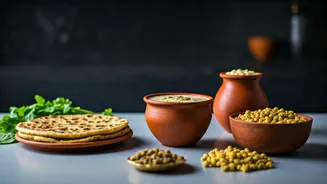
Whether it's kala chana or the kabuli variety, chickpeas are an incredibly versatile and nutritious legume. They are a brilliant source of plant-based protein and fibre, making them a very satisfying food that helps keep hunger at bay. Their high fibre content supports digestive health and can help manage cholesterol levels. Chickpeas also provide a steady release of energy, thanks to their complex carbohydrates, making them an excellent food for sustained vitality throughout the day. From classic chana masala to roasted snacks and salads, their uses are endless.
5. The Leafy Green Champion: Spinach (Palak)
Palak is one of the most nutrient-dense vegetables you can eat. It is loaded with vitamins and minerals, including Vitamin K for bone health, Vitamin A for vision, and a significant amount of iron. While the iron in spinach is best absorbed with a source of Vitamin C (like a squeeze of lemon juice), it remains a vital green for overall health. Spinach is also rich in antioxidants like lutein and zeaxanthin, which are crucial for protecting your eyes from damage. Incorporate it into dal, sabzis, parathas, or even blend it into a green smoothie.
6. The Pungent Punch of Ginger (Adrak)
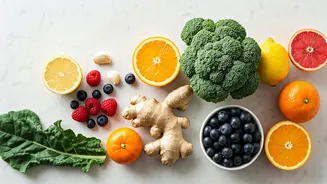
A staple in almost every Indian kitchen, ginger’s sharp, aromatic flavour comes with a host of health benefits. The main bioactive compound, gingerol, is responsible for much of its medicinal properties, including powerful anti-inflammatory and antioxidant effects. Ginger has long been used as a traditional remedy for digestive issues, nausea, and motion sickness. It can soothe an upset stomach and improve overall digestion. Starting your day with a cup of adrak chai or adding freshly grated ginger to your meals is a simple way to boost your health.
7. The Vitamin C Bomb: Amla (Indian Gooseberry)
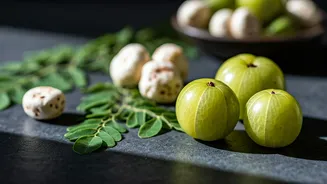
Amla is a true superfruit, renowned in Ayurveda for its restorative properties. Its most famous attribute is its incredibly high concentration of Vitamin C—one of the most potent natural sources available. This powerful antioxidant is vital for a robust immune system, healthy skin, and improved iron absorption. Amla also contains compounds that may help regulate blood sugar and support liver function. While its sour taste can be intense, it can be enjoyed raw with a sprinkle of salt, juiced, or preserved as a murabba (sweet pickle).