



The Promise of a Modern Makeover
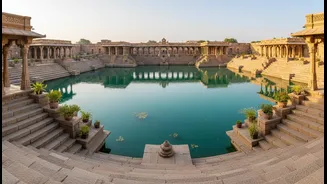
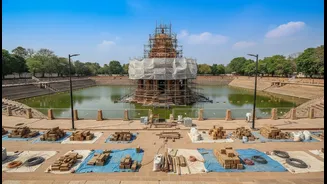
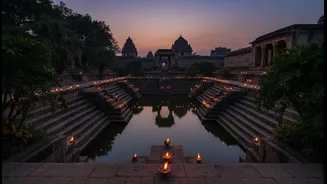
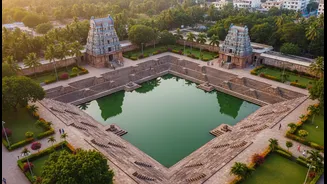
For years, the sprawling 17th-century temple tank, built by King Thirumalai Nayak, was a subject of grand plans. Under the Smart City Mission, proposals were made to transform the area, addressing long-standing issues and enhancing its appeal. The vision
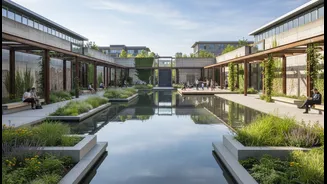
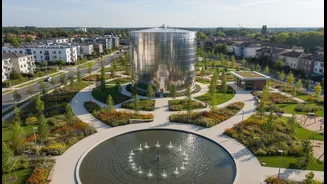
was clear: create a world-class public space with improved infrastructure, pedestrian-friendly pathways, and better lighting to attract more visitors and provide a cleaner environment for residents who use it for everything from morning walks to quiet evening reflection. This revamp was part of a larger effort to revitalise Madurai's heritage sites, promising an elevated experience for tourists and locals alike. The goal was to restore the tank's glory, making it a pristine landmark the city could be proud of.
A Barrier to Open Access?
Historically, the Teppakulam has been a quintessential public space, accessible to all at nearly any hour. It served as a recreational spot, a meditative corner, and a social hub for people from all walks of life. However, post-revamp, concerns have emerged about this unrestricted access. The installation of gates and regulated timings, while potentially aimed at improving security and maintenance, fundamentally changes the character of the space. What was once an open invitation to the city's residents now feels like a managed facility. For daily walkers, late-night visitors, and those who simply sought solace by the water's edge, these new restrictions can feel like a privatisation of public heritage, prioritising a controlled, curated experience over spontaneous community use.
The Persistent Problem of Cleanliness
Despite significant investment in redevelopment, the challenge of maintaining cleanliness remains a stark issue. Reports of garbage dumping, plastic waste, and overflowing bins continue to plague the periphery of the tank. Officials note that tonnes of waste are generated daily, particularly on weekends, from the numerous makeshift food stalls. This points to a deeper problem that infrastructure alone cannot solve. While the corporation deploys workers to clean the area, the sheer volume of waste suggests a disconnect between the public's usage patterns and a sense of collective ownership. The revamped tank, intended as a clean and serene environment, often finds itself battling the consequences of unmanaged commercial activity and a lack of civic discipline, leading to polluted water and an unpleasant atmosphere.
Livelihoods on the Line
Perhaps the most critical tension is the one concerning local livelihoods. The area around the Teppakulam has long supported a vibrant ecosystem of street vendors, from those selling chaat and jigarthanda to flower sellers and fruit vendors. This informal economy is not just a collection of businesses; it's an integral part of the tank's cultural fabric and a source of affordable leisure for many families. Recent discussions about developing the area as a dedicated tourism hub include plans to relocate these vendors to a designated food street. While the official aim is to create a more hygienic and organised environment, this move poses a significant threat to the vendors. Relocation can disrupt established customer bases and disconnect them from the very ecosystem that sustains them, turning a place of organic community commerce into a sterile, regulated zone.
A Shared Path Forward
The issues at the Teppakulam are not the fault of a single entity. They represent a classic urban development dilemma: how to modernise without sacrificing soul and inclusivity. The authorities must look beyond mere beautification and engage in genuine, continuous dialogue with the communities they serve. A plan to relocate vendors, for instance, must be executed with their participation and support, not imposed upon them. At the same time, citizens and vendors have a crucial role to play. Protecting this shared heritage means actively participating in its upkeep. Proper waste disposal, respecting public property, and holding authorities accountable for maintenance are responsibilities that fall on the people. As one local politician noted, the goal is to regulate and improve the area, a task that requires a collaborative effort from all stakeholders.