





The Problem with 'A Quiet Room, Please'
You’ve added it to the 'special requests' box online or mentioned it meekly at check-in: “A quiet room, please.” It feels like a reasonable ask, but from a hotel’s perspective, it’s frustratingly vague. 'Quiet' is subjective. Does it mean away from street
traffic, or away from the chatter of other guests? Front desk staff are managing dozens of operational factors, from housekeeping status to occupancy levels and last-minute bookings. A general request doesn't give them a clear problem to solve. They might place you on a high floor, thinking they've addressed street noise, only for you to be disturbed all night by the ding of a nearby elevator. Without specifics, they are simply guessing what 'quiet' means to you.
Why Specificity Is Your Superpower
When you name a specific concern, you transform a vague wish into an actionable task. Requesting a room “away from the elevator and ice machine” gives the front desk agent a concrete parameter to work with. They can look at their floor plan and immediately identify rooms that fit your criteria. Hospitality professionals confirm that this approach is far more effective. It demonstrates that you are a thoughtful traveller who understands the hotel environment, not just a demanding guest. A specific, polite request gives staff a solvable puzzle and empowers them to help you more effectively. They are more likely to make an effort for a guest who communicates clearly and respectfully.
Pinpoint Your Noise Nemesis
Before you book, think about what kind of noise bothers you most. Hotel noise generally comes from internal sources (other guests, elevators, staff) or external ones (traffic, nightlife). Armed with this knowledge, you can tailor your request. Here are some of the most effective things to ask for: A room on a high floor: This is a classic for a reason. It helps minimise noise from street traffic, garbage trucks, and lobby activity. A room away from the elevator and ice machine: These are high-traffic hubs for guests at all hours. Being midway down a corridor is often the quietest spot. A room not overlooking the pool or courtyard: These areas can be beautiful, but they are also magnets for daytime fun and evening events. A room that is not a connecting room: The door between connecting rooms is often a weak point for soundproofing, making conversations from next door clearly audible. * A room away from service areas: This includes housekeeping closets, staff elevators, and rooms above or below ballrooms, restaurants, or fitness centres.
The Art of the Polite Ask
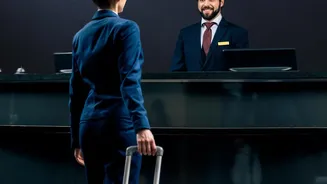
Timing and tone are everything. The best practice is to make your request at multiple points. First, add your specific request in the notes section when you book online. It is even better to book directly with the hotel, as some third-party booking sites may get lower-priority room assignments. A few days before your arrival, call the hotel directly to politely reiterate your request. This gives them advance notice to block a suitable room for you. Finally, mention it again pleasantly during check-in. A phrase like, “I made a note in my reservation about needing a room away from the elevator if possible. I'm a very light sleeper and would be so grateful for any help,” works wonders. This polite persistence shows it’s a genuine need, not a passing whim.
What If You Still Get a Loud Room?
Despite your best efforts, you might still end up with a noisy neighbour or an unforeseen issue. Don't suffer in silence. The first step is to call the front desk immediately. Confronting the noisy guest yourself can be risky and unproductive. Instead, calmly explain the situation to hotel staff. They have policies for noise complaints and would much rather resolve the issue than receive a negative review. You can say, “I’m in room 515 and the noise from the next room is quite loud. Would it be possible to be moved, or could security please address it?” Hotels will typically try to move you to a quieter room if one is available.