



A Landmark Ruling for Passenger Safety
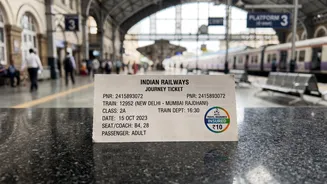
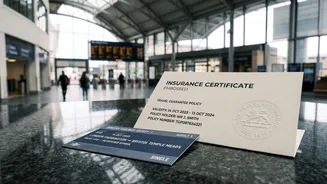
In a significant move to enhance passenger security, the Supreme Court of India has directed Indian Railways to provide travel insurance for all tickets purchased at physical counters, effective October 27, 2026. This decision closes a long-standing gap
where the optional insurance scheme was only accessible to passengers booking through the IRCTC website or app. The ruling, delivered by a bench of Justices Ahsanuddin Amanullah and R Mahadevan, came during proceedings related to the tragic Odisha train accident in June 2023, which brought railway safety measures under intense scrutiny. The court emphasized that there should be no distinction between passengers based on their mode of ticket purchase, ensuring that those in rural areas or without digital access receive the same protection.
What the Insurance Will Cover
While the exact terms for counter-booked tickets are being finalised, the coverage is expected to mirror the existing scheme for online bookings. This policy provides substantial financial support in the event of a train accident or other 'untoward incidents' as defined by the Railways Act. Under the current online scheme, passengers are entitled to a sum of up to ₹10 lakh in the unfortunate event of death or permanent total disability. The cover also includes up to ₹7.5 lakh for permanent partial disability and up to ₹2 lakh for hospitalization expenses due to injury. Additionally, it provides ₹10,000 for the transportation of mortal remains. The insurance is valid from the train's departure until its arrival at the destination, including the process of boarding and de-boarding.
How Much Will It Cost?
One of the most compelling aspects of the existing online scheme is its incredibly low cost. Passengers booking via IRCTC can opt-in for a premium of just 45 paise per person. The Supreme Court's order mandates that counter tickets be covered 'in the same manner' as online ones, but the final premium for tickets bought at Passenger Reservation System (PRS) counters is yet to be confirmed by Indian Railways. It may or may not be the same as the online rate. Crucially, the court has stated that this coverage will be mandatory for all tickets sold offline, rather than an optional facility that passengers can choose. This ensures universal coverage for those purchasing tickets at stations.
How Will It Work at the Counter?
The Ministry of Railways is currently working out the modalities for implementing this directive. For online tickets, passengers opt-in during the booking process and receive policy details via SMS and email, with a link to fill in nominee information. A similar streamlined process will need to be established for the millions of tickets sold at physical counters daily. The Railway Board has been made directly responsible for a timely rollout by the October 27 deadline. After booking, it is crucial for passengers to provide nominee details to the insurance company to ensure a smooth claims process for their legal heirs in case of an incident.
Why This Is a Game-Changer
This judicial intervention is more than just an administrative change; it's a significant step towards equitable safety for all citizens. It acknowledges that a large section of the population, particularly from lower-income groups and those in areas with limited internet access, relies on physical ticket counters. By making this micro-insurance mandatory and accessible to them, the Supreme Court has reinforced the principle that a passenger's safety and financial protection should not depend on their ability to use a digital platform. It establishes this low-cost insurance as a universal right for all rail travellers, providing a crucial financial cushion against unforeseen tragedies during their journey.