



The Spectacle of Hemis Festival
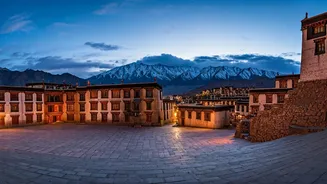
Held annually at the magnificent Hemis Monastery, the largest monastic institution in Ladakh, the Hemis Festival is a two-day extravaganza celebrating the birth of Guru Padmasambhava, the founder of Tibetan Buddhism. The festival's courtyard transforms
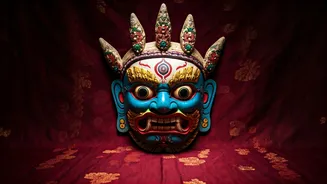
into a stage for a profound cultural and religious spectacle. Lamas, dressed in elaborate silk costumes and vibrant, often fearsome, masks, perform the sacred 'Chham' dances. These are not mere performances but deep meditative rituals that depict the triumph of good over evil. The air thrums with the sound of long horns, cymbals, and drums, creating an otherworldly atmosphere that captivates locals and travellers alike. On certain years, a giant thangka (religious silk painting) of Guru Padmasambhava is unfurled for public viewing, an event that happens only once every 12 years and draws immense crowds.
Beyond the Monastery: Pangong Tso
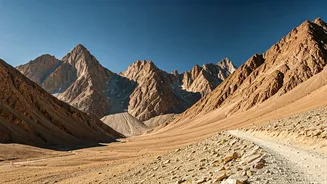
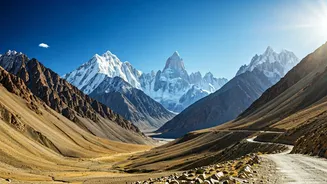
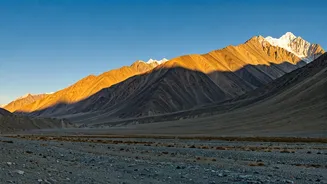
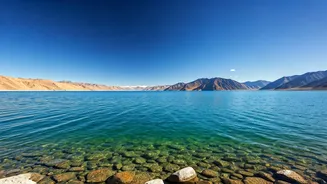
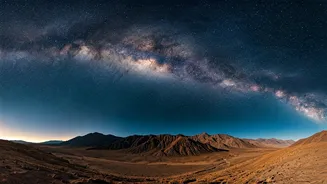
While the festival is a powerful draw, Ladakh's landscapes are an equally compelling reason to visit. A journey to Pangong Tso is essential. This high-altitude saltwater lake, stretching over 130 kilometres from India to China, is famous for its mesmerising, chameleon-like ability to change colours. One moment it's a deep sapphire blue, the next a tranquil turquoise. The drive itself is an adventure, crossing the formidable Chang La pass. The stark, arid mountains that cradle the lake create a dramatic contrast with the vivid blue of the water. Spending a night in a camp near the lake allows you to witness a breathtaking sunset and a star-filled sky unpolluted by city lights, offering a sense of profound peace and isolation.
The Sands of Nubra Valley
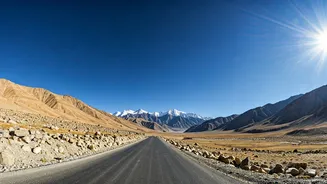
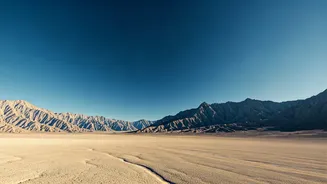
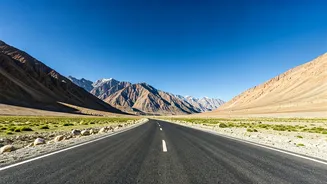
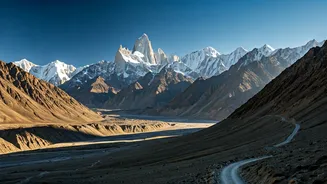
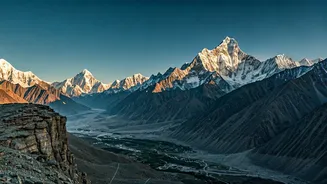
Crossing the Khardung La pass—once famed as the world's highest motorable road—brings you to the surreal Nubra Valley. This high-altitude cold desert presents an astonishing landscape where you find sand dunes nestled between snow-capped peaks. The valley is home to the double-humped Bactrian camel, a remnant of the ancient Silk Road trade route. A camel safari across the Hunder sand dunes is an unforgettable experience. The valley also houses the Diskit Monastery, perched dramatically on a hill, which offers panoramic views and a towering 32-meter statue of Maitreya Buddha that overlooks the Shyok River. The blend of desert, river, and icy peaks makes Nubra a photographer's paradise and a core part of the Ladakhi experience.
Essential Planning for Your Trip
Timing your visit with the Hemis Festival requires careful planning. The festival dates are based on the Tibetan lunar calendar and typically fall in June or July. It's crucial to book flights to Leh and accommodation well in advance, as this is peak tourist season. Most importantly, respect the altitude. Leh is situated at over 11,500 feet, and altitude sickness is a real risk. Plan to spend your first 48-72 hours in Leh acclimatising with minimal physical exertion before venturing to higher altitudes like Pangong Tso or Khardung La. Travellers also need an Inner Line Permit (ILP) to visit restricted areas like Nubra Valley and Pangong Tso, which can be easily obtained online or through a travel agent in Leh. Pack layers of clothing, as the weather can change dramatically, with warm days and cold nights.