






The Sticker Price Shock
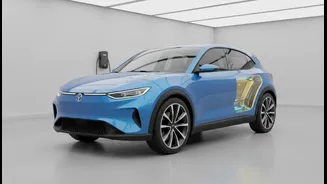
The single biggest hurdle for most families considering an electric vehicle (EV) is the initial purchase price. A premium electric SUV can cost significantly more than its petrol-powered counterpart. For instance, an electric version of a popular compact
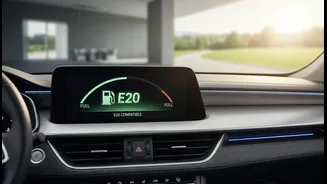
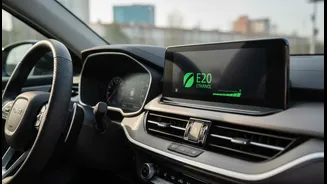
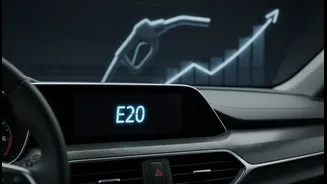
SUV might have an on-road price of around ₹19.5 lakh, while the equivalent petrol model is closer to ₹12.8 lakh. That ₹7 lakh gap is a formidable barrier for a budget-conscious household. E20-compliant cars, which are essentially standard petrol vehicles designed to run on fuel with 20% ethanol, carry no such premium. They are priced identically to their conventional petrol counterparts, making them an immediately more accessible option for millions.
The Total Cost of Ownership Puzzle
EV proponents rightly point to lower running costs. With electricity at around ₹7 per unit for home charging, an EV's running cost can be as low as ₹1 per kilometre, compared to roughly ₹5 to ₹7 for a petrol car. Maintenance is also cheaper for EVs, as they have fewer moving parts. However, these savings take a long time to offset the high initial investment. For a typical urban driver, it could take over four years to break even on the premium paid for an EV. This calculation also assumes access to cheap home charging, which isn't a given for everyone.
The Charging Infrastructure Gap
For a family, a car needs to be versatile. This means not just handling the daily city commute but also accommodating long-distance trips to visit relatives or go on holidays. Here, the EV ecosystem in India still shows significant strain. While the public charging network is growing, it remains unevenly distributed and sometimes unreliable. Reports show that a significant percentage of public chargers can be non-functional, and users might need multiple apps to find a working one. Furthermore, a recent study found that nearly 45% of Indian homes may require electrical upgrades to safely install a home charger. In contrast, petrol stations, which now dispense E20 fuel as standard, are ubiquitous and refueling takes only minutes, eliminating range anxiety.
The Uncertainty of Resale Value
A car is a depreciating asset, but for families, its resale value is an important part of the long-term financial equation. The used car market for petrol vehicles is well-established and predictable. The market for used EVs, however, is still developing and fraught with uncertainty. Due to the rapid evolution of battery technology, older EVs can feel outdated quickly, much like smartphones. Concerns about battery health, which is the single most expensive component, heavily influence an EV's resale price. Currently, a three-year-old EV may only retain 40-55% of its original value, compared to 55-65% for a comparable petrol car, making the long-term financial bet on a premium EV a riskier proposition for a family counting every rupee.