

The Post-Monsoon Glow
Autumn, spanning from October to November, is when Meghalaya is at its most vibrant. Following months of intense rainfall, the landscape is saturated in every shade of green. The monsoon washes the dust away, leaving behind fresh, lush scenery under increasingly
clear blue skies. The air is crisp and clean, and the pleasant temperatures, generally ranging from 15°C to 25°C, create the perfect climate for exploration without the extreme humidity of the monsoon or the chill of deep winter. It's a season of renewal, where the entire state feels refreshed and rejuvenated.
Waterfalls in Their Full Splendor
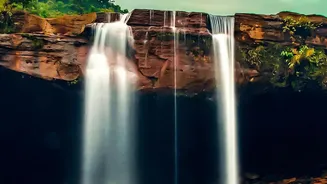
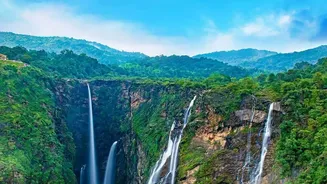
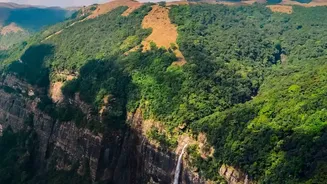
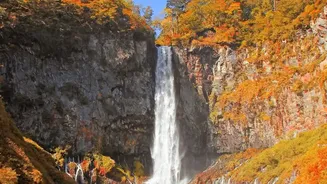
While the monsoon season (June to September) feeds the waterfalls into a thundering, powerful force, the view is often obscured by thick fog and heavy rain. Autumn presents the ideal compromise. The waterfalls, including the magnificent Nohkalikai Falls—India's tallest plunge waterfall—are still voluminous and dramatic from the recent rains but are far more visible against clear skies. The weather is more stable, allowing you to actually stand at the viewpoints and soak in the breathtaking sights of water cascading down emerald cliffs into turquoise pools below.
The Magic of Crystal-Clear Rivers
One of Meghalaya's most famous attractions is the Umngot River in Dawki, renowned for its unbelievably transparent water. During the monsoon, silt and sediment turn the river murky. But as the rains subside in autumn, the river settles and its legendary clarity returns, creating the viral illusion of boats floating in mid-air. October and November are the first months to witness this magical phenomenon. Boating on the serene, glass-like surface of the Umngot is an experience that is truly at its best during this post-monsoon window.
Perfect Weather for Epic Treks
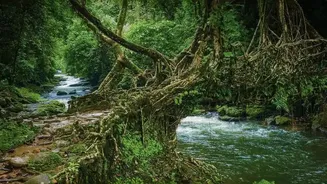
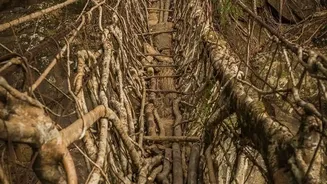
Meghalaya's most unique wonders, the living root bridges, require trekking to access. The most famous of these, the Double Decker Root Bridge in Nongriat, involves descending over 3,000 steps. During the monsoon, these trails can be dangerously slippery, and the humidity is intense. Autumn, however, provides ideal trekking conditions. The paths are drier and safer, and the cooler, less humid weather makes the challenging hike far more pleasant and manageable for most visitors. This makes autumn the prime season for the adventure required to witness these marvels of bio-engineering.
Fewer Crowds and Festive Culture
The peak tourist season in Meghalaya often aligns with the driest winter months of December and January. Autumn acts as a 'shoulder season', offering many of the benefits of peak season—good weather and accessible sights—but with fewer tourists. This means more space at viewpoints and a more tranquil experience overall. Furthermore, this period is also a time for local festivals. The Wangala Festival, a significant post-harvest celebration of the Garo tribe, often takes place in October or November, offering a unique opportunity to experience the region's rich cultural heritage.