





The Promise and Peril of Early Rains
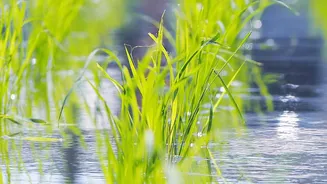
The Kharif season, which aligns with the southwest monsoon, is the backbone of Indian agriculture. When the first rains arrive, they trigger a flurry of activity as farmers sow major crops like rice, cotton, soybean, maize, and pulses. Abundant water
in the early stages encourages seeds to germinate and plants to establish themselves. However, this initial period of plentiful water can inadvertently set a trap. Believing moisture is readily available at the surface, many young plants develop shallow root systems. They don't need to dig deep for water, so they don't, concentrating their roots in the upper layers of the soil.
When the Tap Suddenly Turns Off
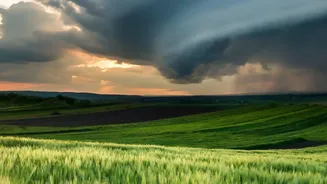
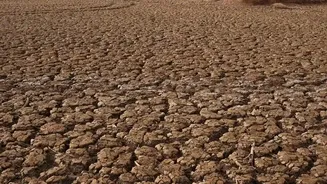
A mid-season dry spell is a period of little to no rainfall that occurs after the monsoon has already set in. Recent years have seen this pattern become more frequent, with intense rainfall events followed by weeks of dry, sunny weather. This isn't the same as a delayed monsoon; it's an interruption that hits crops when they are in their critical growth phases. After being accustomed to saturated soil, the top layer quickly dries out under the hot sun. The plants, with their shallow roots, suddenly find their primary water source has vanished. The deeper soil may still hold moisture, but the roots aren't long enough to reach it, creating a condition of acute water stress despite earlier abundance.
A Shock to the Plant's System
This sudden swing from wet to dry sends the plant into shock. Physiologically, the stress is immense. First, the plant struggles to draw water. As the soil hardens, root penetration becomes physically difficult. The plant closes the pores on its leaves (stomata) to conserve water, but this also shuts down photosynthesis, halting growth. Furthermore, the combination of dry air and high temperatures creates what scientists call 'terminal heat stress'. The plant effectively starts to cook, losing more water through its leaves than it can absorb. This can lead to wilting, leaf scorching, and a failure to produce flowers or grains, even if rain eventually returns.
Which Crops Suffer Most?
Different crops have varying vulnerabilities. Paddy rice, which is often grown in standing water, is extremely susceptible. A dry spell can crack the fields and decimate the crop. Cotton is also vulnerable, especially during its flowering and boll development stages; water stress can cause the plant to shed its precious bolls. For soybeans, the reproductive phase is the most critical time for water. A dry spell during flowering, pod formation, or grain-filling can drastically reduce the final yield and size of the beans. Maize yields can also plummet, as heat and water stress during the reproductive phase can lead to pollen sterility and poor seed setting.
The Ripple Effect on Farmers and Food Security
For farmers, the impact of a mid-season dry spell is devastating. It means the initial investment in seeds, fertiliser, and labour is wasted. Yields are reduced, leading to lower incomes and potentially pushing families into debt. The consequences ripple outward, affecting national food supply and inflation. Deficits in the production of key staples like rice and pulses can put pressure on food prices across the country. Reports from August 2026 already show significant rainfall deficits in major agricultural states, impacting the sown area for crops like ragi, rice, and soybean. This highlights that it is the distribution of rainfall, not just the seasonal total, that truly matters for agricultural outcomes.
Can the Damage Be Mitigated?
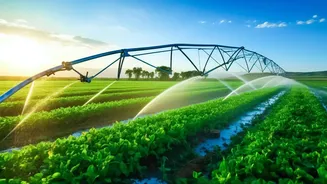
While farmers can't control the weather, there are strategies to build resilience. So-called Climate Resilient Agriculture (CRA) practices are crucial. These include adopting drought-tolerant crop varieties, which are better equipped to handle dry periods. Water conservation techniques like drip or sprinkler irrigation can deliver water more efficiently during a dry spell. On-farm practices such as mulching (covering the soil with organic matter) help retain soil moisture and keep roots cool. Additionally, timely advisories from agricultural universities and meteorological departments can guide farmers on when to apply protective irrigation or use foliar sprays to sustain the crop.