

Why Rocky Coasts Are a Snorkeller's Dream
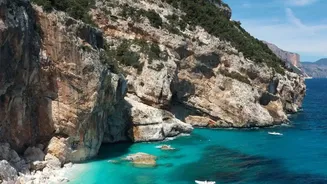
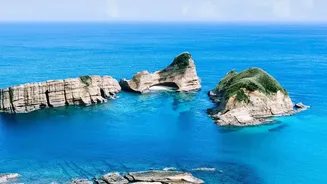
Sandy beaches are perfect for sunbathing, but for snorkelling, rocky edges are where the action is. Unlike the sparse life on open sand, rock formations, crevices, and sea caves create complex habitats that shelter a dazzling array of marine species.
The rocks provide attachment points for colourful sponges and algae, and hiding spots for octopuses, moray eels, and shy fish. The water along these coasts is often exceptionally clear due to the lack of sand and sediment being churned up, with visibility that can exceed 20 metres, turning your swim into a high-definition natural spectacle.
Foki Beach, Kefalonia
A jewel on the northern tip of Kefalonia near the picturesque village of Fiskardo, Foki Beach is a snorkeller's paradise. This narrow, pebbled cove is fringed with olive and cypress trees that provide rare shade right down to the water's edge. The name 'Foki' means seal, a nod to the Mediterranean monk seals that sometimes shelter in the area's sea caves. The calm, emerald waters are incredibly clear, revealing a rocky seabed bustling with life. Expect to see colourful wrasse species, sea urchins, and, if you look carefully in the crevices, perhaps a reclusive octopus or moray eel.
Porto Timoni, Corfu
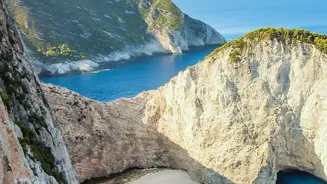
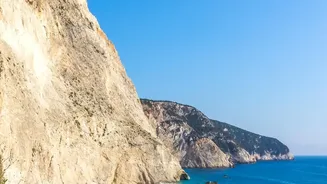
Porto Timoni is one of Corfu's most photographed and breathtaking spots for a reason. Located near the village of Afionas, it's a unique double bay where two small, pebbled beaches are separated by a thin strip of land, creating a stunning natural spectacle. Reaching it requires either a steep 30-minute hike or a water taxi from a nearby beach, but the reward is immense. The water is exceptionally clear and turquoise, and the rocky seabeds on either side of the isthmus are teeming with fish and other marine life, making it a premier spot for underwater exploration.
Kedrodasos Beach, Crete
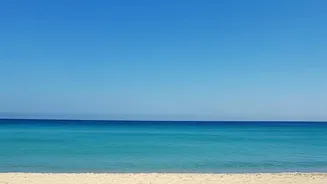
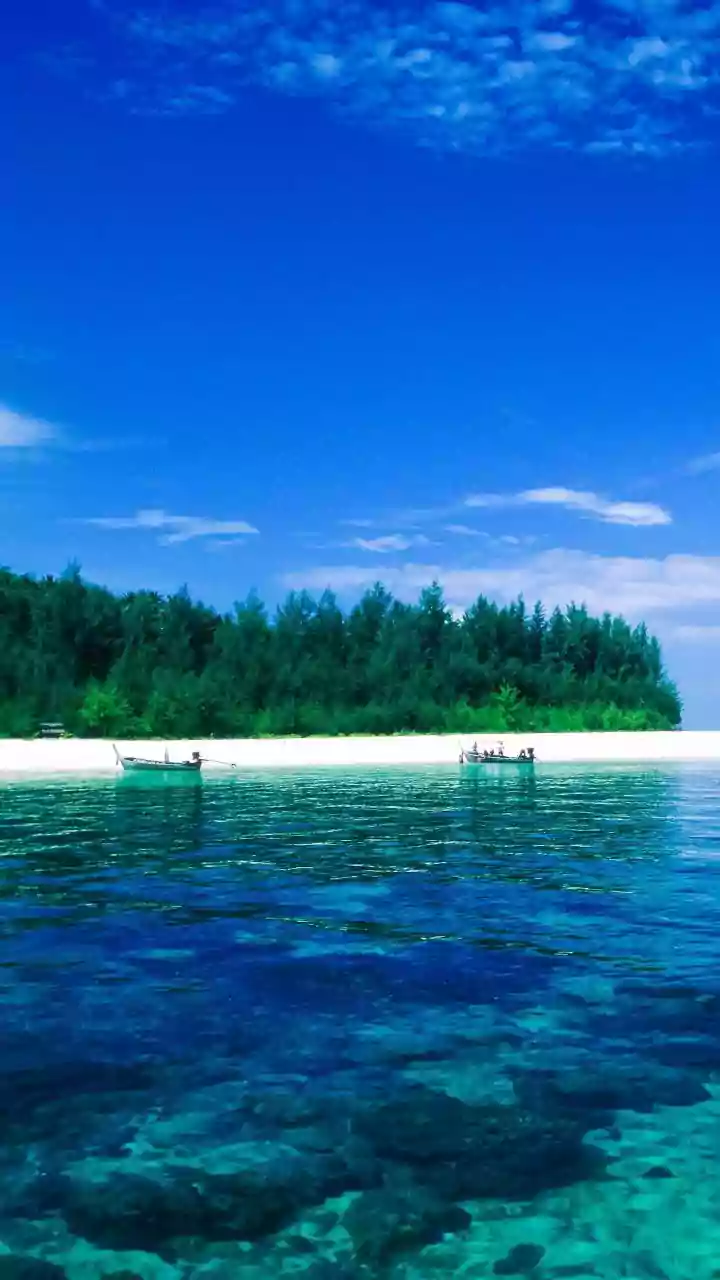
If you're looking for a truly wild and unspoiled experience, Kedrodasos Beach on the southwestern coast of Crete is your destination. A short walk from the more famous Elafonissi, this secluded paradise features a rare forest of juniper trees growing right on the sand dunes. The beach is completely undeveloped, meaning no sunbeds or cafes, just pristine nature. The water is crystal clear, and the rocky patches and headlands at either end of the bay offer excellent snorkelling, with a vibrant underwater world undisturbed by the crowds you'll find elsewhere.
Kleftiko Beach, Milos
Accessible only by boat, Kleftiko is arguably one of the most spectacular coastal locations in all of Greece. This spot on Milos's southwestern coast is famous for its towering white volcanic rock formations, which form a labyrinth of arches, pillars, and sea caves rising from the turquoise Aegean. The name means 'thieves' hideout,' as pirates once used these caves for shelter. Today, boat tours bring visitors to swim and snorkel through this surreal landscape. Floating through the sea caves and passages in the gin-clear water is an unforgettable experience, offering a chance to see marine life in a truly unique geological setting.
Essential Tips for Rocky Snorkelling
To make the most of your adventure, a little preparation goes a long way. Always wear water shoes or booties with your fins; they are essential for safely navigating sharp or slippery rocks when entering and exiting the water. Remember to use reef-safe sunscreen, as the sun's reflection off the water is intense. Mornings are often the best time to go, as the water is typically calmer and visibility is at its peak before afternoon winds pick up. Most importantly, never touch or stand on marine life or rock formations. Look with your eyes and leave the delicate ecosystem as you found it.