








The Undisputed Champions: Diet and Exercise
Before we dive into this intriguing new angle, let's set the record straight: a balanced diet and regular physical activity are, and will remain, the cornerstones of a healthy body composition. Body composition, the ratio of fat mass to fat-free mass (like
muscle, bones, and organs), is fundamentally shaped by these two pillars. A nutritious diet provides the building blocks for muscle and the energy for daily life, while consistent exercise, especially a mix of aerobic and resistance training, helps burn fat and build lean mass. This combination is crucial for managing weight, boosting metabolism, and reducing the risk of chronic diseases. Any conversation about changing your body must start here.
The Hidden Variable: Your Eating Speed
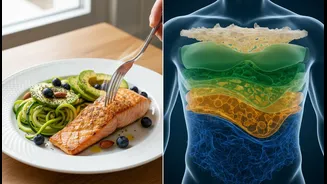
Now, let's introduce the hidden variable: how fast you eat. It might seem like a minor detail, but a growing body of research shows a strong link between eating speed and body composition. Studies have consistently found that people who eat quickly are more likely to have a higher Body Mass Index (BMI) and carry more body fat, particularly visceral fat, compared to those who eat slowly. In fact, one study found that slow eaters were 42% less likely to be obese than fast eaters. This isn't just a coincidence; it's rooted in the intricate communication system between your gut and your brain.
The Science of Satiety Signals
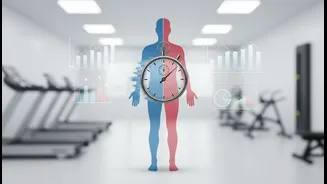
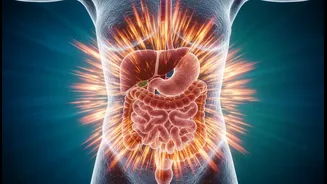
The key to understanding why eating speed matters lies in your hormones. When you eat, your gut releases hormones that signal fullness to your brain, telling you it's time to stop. Key players include cholecystokinin (CCK), glucagon-like peptide-1 (GLP-1), and peptide YY (PYY), which all work to reduce appetite. However, this entire process isn't instant; it takes about 20 minutes for these signals to reach your brain and for you to register that you're full. If you finish your meal in ten minutes, you can easily consume more food than your body needs before your brain gets the memo. Eating slowly gives this feedback loop enough time to work, helping you feel satisfied with less food.
More Than Just Feeling Full
The benefits of slowing down extend beyond hormonal signalling. Chewing your food more thoroughly is the first step in digestion, breaking it down mechanically and mixing it with enzymes in your saliva. This can improve nutrient absorption and reduce digestive issues like bloating and indigestion. Eating slowly also promotes mindful eating, where you pay more attention to the tastes, textures, and smells of your food. This heightened awareness helps you better recognise your body's natural hunger and fullness cues, leading to a healthier relationship with food and improved portion control.
Simple Ways to Slow Down Your Meals
Adopting a slower eating pace can feel unnatural at first, especially in our fast-paced world, but small changes can make a big impact. Try setting aside at least 20 to 30 minutes for each meal and create a distraction-free environment by turning off the TV and putting away your phone. A simple but effective trick is to put your fork or spoon down between bites. You can also try taking smaller bites, chewing each mouthful a specific number of times (say, 20 to 30), and sipping water throughout your meal to encourage natural pauses. These habits take practice, but they can fundamentally change how you experience your meals.