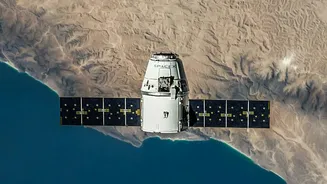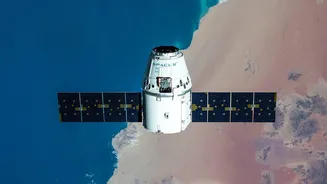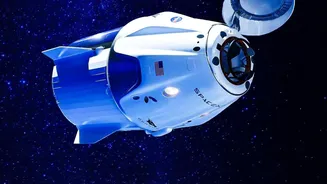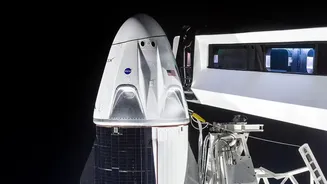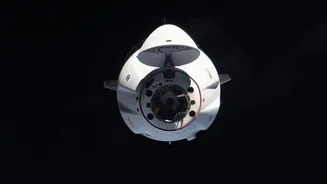



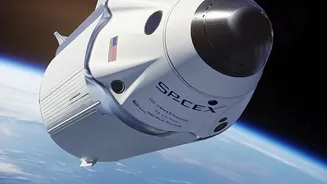

A treasure trove of scientific research has returned to Earth. A SpaceX Dragon capsule, completing the CRS-35 mission, splashed down on November 21, carrying time-sensitive experiments that could lead to breakthroughs in medicine and technology.
A Successful Return From Orbit
On Saturday,
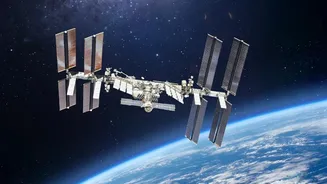
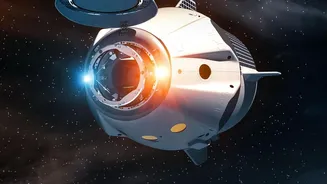
November 21, a SpaceX Dragon spacecraft parachuted into the Pacific Ocean off the coast of California, marking the successful conclusion of the 35th Commercial Resupply Services (CRS) mission for NASA. The uncrewed capsule undocked from the International Space Station (ISS) a day earlier, on November 20, beginning its 29-hour journey home. Its return is a critical step in a global research effort, as Dragon is currently the only cargo vehicle capable of bringing significant amounts of scientific material back to Earth intact. While other spacecraft deliver supplies, they are designed to burn up upon re-entry, making SpaceX's vehicle an indispensable part of the station's research capabilities.
The Crucial Cargo Onboard
Packed inside the Dragon were thousands of pounds of precious cargo, most importantly the results of experiments conducted by astronauts in the unique microgravity environment of the ISS. This includes a variety of biological samples and advanced hardware. Among the key items are 3D-bioprinted blood vessel constructs, which will help scientists study cardiovascular disease and the aging process. Also returning were frozen tumor organoids that were treated with experimental drugs in orbit, research that could help identify new ways to improve cancer treatments and advance personalized medicine. By studying these biological systems away from the influence of Earth's gravity, researchers can uncover new insights into diseases that affect millions.
From Space Station to Laboratory
The mission doesn't end at splashdown. For many of the returned experiments, time is of the essence. A recovery team was on-site to quickly retrieve the Dragon capsule from the ocean and transport it to shore. From there, the time-sensitive scientific samples are flown to NASA facilities for prompt distribution to research teams around the world. For example, the returned microbial samples, which were studied to see how antibiotic-resistant bacteria evolve in space, will be quickly analyzed in laboratories. Understanding these adaptations is crucial not only for protecting astronaut health on long-duration missions to the Moon and Mars but also for combating antibiotic resistance on Earth.
More Than Just Biology
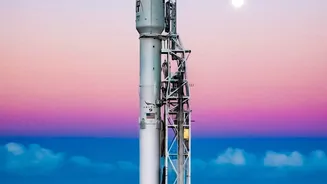
Beyond the biological experiments, the CRS-35 mission also returned a specialized lighting system that had been tested on the space station for over three years. Researchers investigated whether this system could support astronauts' sleep cycles and general well-being, a key factor for maintaining crew health and performance during long missions. The hardware will now undergo further evaluation on the ground. This mission, which began with a launch from Florida on October 13, delivered over 6,300 pounds of supplies to the ISS, including food, equipment, and the final pair of new roll-out solar arrays that significantly boosted the station's power generation capabilities.
The Commercial Partnership Powering Science
The CRS-35 mission is a prime example of the successful partnership between NASA and commercial companies like SpaceX. These Commercial Resupply Services contracts have become the backbone of ISS logistics, ensuring a steady flow of supplies up to the station and, critically, a return path for valuable science. This model has not only changed how NASA operates but has also helped foster a robust commercial space industry. The ability to launch experiments, have them conducted in a unique orbiting laboratory for more than a month, and then return them for in-depth analysis is accelerating scientific discovery and demonstrating the tangible benefits of human presence in low Earth orbit.