


Sabudana Khichdi
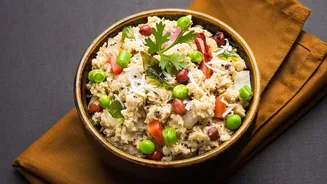
A quintessential fasting dish, especially popular in Maharashtra, Sabudana Khichdi is both filling and delicious. Made from tapioca pearls, this dish provides a significant carbohydrate boost, which is essential for maintaining energy levels throughout
the day. The preparation involves soaking the sago pearls until they are soft and fluffy. They are then typically sautéed in ghee with cumin seeds, boiled potatoes, green chillies, and roasted peanuts. The peanuts add a delightful crunch and a dose of protein. Seasoned with sendha namak (rock salt), the only salt permitted during most fasts, and finished with a squeeze of lemon juice and fresh coriander, this one-pot meal is a perfect balance of textures and flavours.
Kuttu ka Cheela
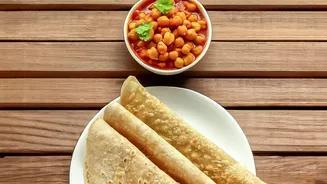
For those seeking a healthier alternative to the popular deep-fried Kuttu ki Puri, the Kuttu ka Cheela is an excellent choice. Kuttu, or buckwheat flour, is a pseudo-cereal that is gluten-free and a staple during Navratri and other fasts. A cheela is a savoury pancake, and for the vrat version, the batter is made by mixing buckwheat flour with water or yogurt, rock salt, and spices like black pepper and chopped green chillies. Grated vegetables like potato or bottle gourd (lauki) can be added to the batter for extra nutrition and softness. These pancakes are pan-fried with a little ghee or oil until golden and crisp, offering a nutritious and satisfying meal that is light on the stomach.
Vrat Wale Aloo
Potatoes are a versatile and comforting food that is permitted during most fasts. Vrat Wale Aloo, or fasting potatoes, is a simple yet flavourful dish that can be prepared in minutes. The recipe typically involves boiling potatoes, cubing them, and then stir-frying them in ghee. The tempering is key; a combination of cumin seeds (jeera), chopped green chillies, and sometimes curry leaves creates a wonderful aroma and taste. The potatoes are seasoned with rock salt and black pepper. For a tangy twist, some recipes call for a dash of amchoor (dry mango powder) or lemon juice towards the end. This humble dish is incredibly satisfying and can be eaten on its own or paired with vrat-friendly flatbreads.
Samak Rice Uttapam
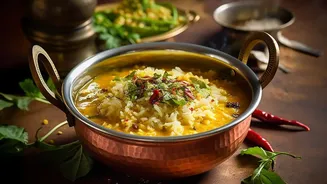
Samak ke chawal, or barnyard millet, is another pseudo-grain that comes to the rescue during fasting periods when regular rice and wheat are avoided. It can be used to make a variety of dishes, from khichdi to dhoklas and uttapams. To make an uttapam, the samak rice is often soaked, sometimes along with sabudana, and then ground into a batter. This batter is fermented slightly with yogurt to give it a light, airy texture and a tangy flavour. The batter is then spread on a hot griddle like a thick pancake, topped with chopped tomatoes, green chillies, and coriander, and cooked on both sides. It’s a wholesome and delightful South Indian-inspired breakfast for your fast.
Makhana and Fruit Chaat
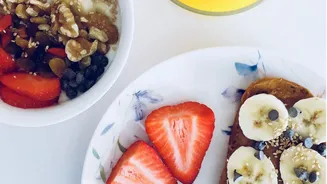
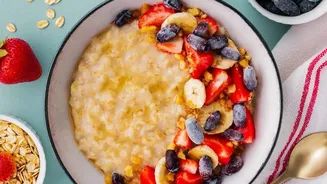
If you are looking for a quick, refreshing, and no-cook breakfast, a chaat made with makhana (fox nuts) and fruits is the perfect answer. Makhana are light, crunchy, and packed with nutrients. For this dish, you simply need to dry roast the makhana in a little ghee until they are crisp. In a bowl, combine these roasted makhanas with a mix of your favourite seasonal fruits like bananas, apples, and pomegranate seeds. A dressing made from whisked yogurt, seasoned with a little rock salt, roasted cumin powder, and a pinch of sugar or honey, brings everything together. This chaat is not only visually appealing but also provides a mix of carbohydrates, protein, and vitamins to keep you energized.