


An Ancestral Legacy
For thousands of years, the sound and aroma of millets being cooked were central to Indian kitchens. Archaeological evidence shows millets were a staple food for the Indus Valley Civilization, predating rice and wheat in many areas. Ancient texts, from
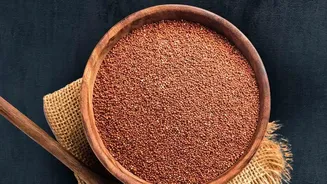
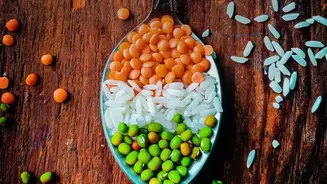
the Vedas to Sangam literature in Tamil Nadu, mention various millets, highlighting their importance in daily life. Known by names like Jowar (sorghum), Bajra (pearl millet), and Ragi (finger millet), these grains were the original pillars of Indian nutrition, perfectly adapted to the country's diverse and often harsh climates. They were cherished not just for their resilience but for their versatility in countless traditional dishes.
A Culinary Map of India's Millets
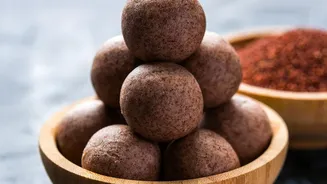
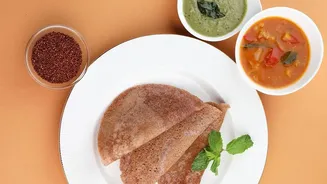
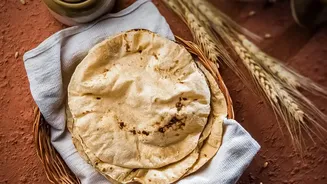
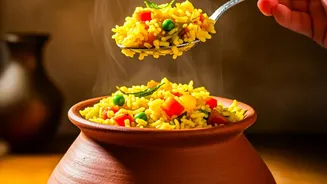
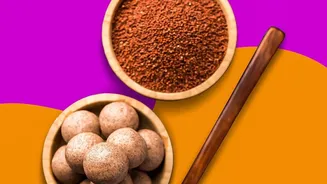
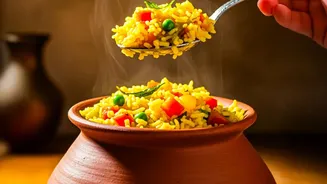
The true story of millets is told in India’s regional kitchens. In Karnataka, Ragi Mudde, a dense, steamed ball of finger millet flour, remains a beloved staple, traditionally eaten with flavourful sambar. Head west to Maharashtra, and you'll find Jwarichi Bhakri, a sorghum flatbread, often paired with a zesty chickpea flour curry called pithla. In the arid landscapes of Rajasthan and Gujarat, Bajra takes centre stage, especially in winter, with hearty Bajra rotis and warming 'raab', a sweet and savoury porridge. Further south, Tamil Nadu uses millets like Varagu (Kodo millet) to make everything from breakfast paniyaram to comforting pongal. These dishes aren't just recipes; they are time-tested traditions that reflect a deep understanding of local ecology and nutrition.
The Great Decline: Why Did We Forget Them?
If millets were so central to our diet, why did they disappear from our plates? The shift began in the 1960s with the Green Revolution. Government policies heavily promoted high-yield varieties of wheat and rice to ensure food security, providing subsidies, a minimum support price (MSP), and improved irrigation for these two grains alone. This made cultivating millets economically unviable for many farmers. Over time, millets became stigmatised as 'poor man's food', while polished rice and refined wheat became aspirational symbols of modernity. This dietary shift, which happened within a single generation, pushed thousands of years of culinary wisdom to the margins.
The Smart Revival: Health and Climate Champions
Today, millets are making a powerful comeback, driven by a convergence of factors. Nutritionally, they are powerhouses—gluten-free, high in fibre, and packed with essential minerals like calcium (in ragi) and iron (in bajra). Their low glycemic index makes them ideal for managing blood sugar levels. Environmentally, their benefits are even more compelling. Millets are climate-resilient 'super crops' that require significantly less water than rice and wheat and can thrive in poor soil with minimal pesticides. In an era of climate change and water scarcity, these ancient grains offer a sustainable path forward for Indian agriculture. This realisation prompted the Indian government to champion the UN's declaration of 2023 as the 'International Year of Millets', rebranding them as 'Nutri-Cereals' or 'Shree Anna' (the respected grain).