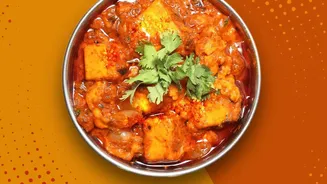



Dreaming of that velvety, rich paneer curry from your favourite restaurant? Many home cooks feel that luxurious creaminess is out of reach, but it’s surprisingly simple. A few key techniques are all you need to elevate your paneer dishes.
The Foundation: A Silky, Rich Gravy
The secret to
any restaurant-style paneer dish lies in the gravy. To achieve that signature creamy texture, chefs rely on a paste made from nuts or seeds. Soaking a handful of raw cashews in hot water for 15-20 minutes and then blending them into a smooth paste is the most common method. This cashew paste not only thickens the gravy but also gives it a subtle sweetness and a rich, luxurious body. For variations, you can also use almonds (blanched to remove skins), melon seeds (magaz), or even poppy seeds. The key is to blend them with a little water or milk until perfectly smooth to avoid a grainy texture. This paste is typically added after the main onion-tomato base has been cooked.
Mastering the Onion-Tomato Masala
A flawless paneer dish starts with a well-cooked masala base. This foundation, typically made from onions, tomatoes, ginger, and garlic, needs to be cooked patiently. Start by sautéing finely chopped or pureed onions until they turn golden brown, which can take 15-20 minutes. This slow cooking process removes the raw smell and develops a deep, sweet flavour. After the onions are browned, add ginger-garlic paste and cook for another minute before adding pureed tomatoes. Continue to cook the mixture on low to medium heat until it thickens, darkens in colour, and you see oil beginning to separate from the sides of the pan. This 'bhuna' process is crucial for a flavourful, non-acidic gravy.
Keeping Your Paneer Perfectly Soft
There's nothing more disappointing than hard, rubbery paneer in a creamy curry. The easiest way to prevent this is to soak your paneer cubes in warm, salted water for about 15-20 minutes before adding them to the gravy. This simple step rehydrates the paneer, making it wonderfully soft and absorbent. It’s also crucial to add the paneer at the very end of the cooking process. Let it simmer gently in the gravy for just 5-7 minutes on a low flame; boiling it or cooking it for too long will cause it to toughen up again. Frying paneer is optional, but if you do, a very quick, light fry is best, followed by the warm water soak.
The Finishing Touches That Make a Difference
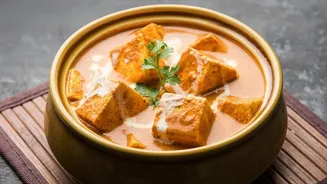
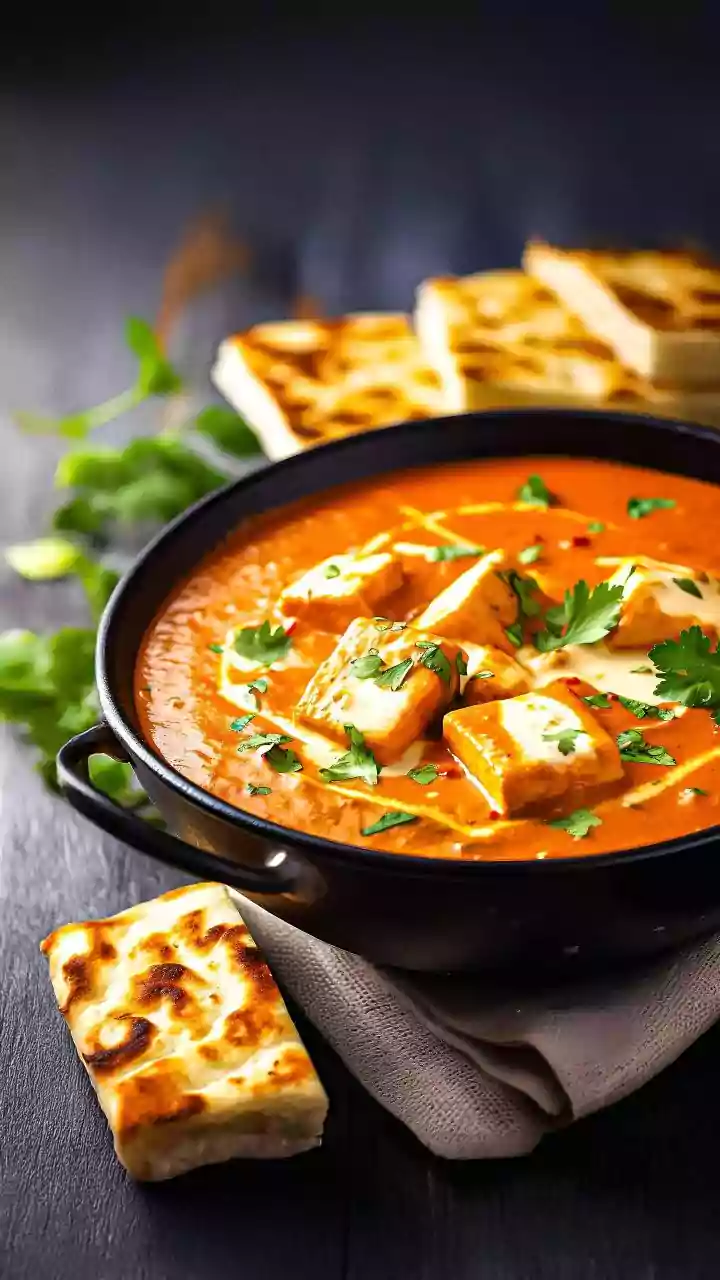
What truly separates a good paneer dish from a great one are the final additions. A swirl of fresh cream or a dollop of butter at the end adds an extra layer of richness. However, the most transformative ingredient is often Kasuri Methi, or dried fenugreek leaves. To use it, take about a teaspoon of the dried leaves into your palm, crush them gently between your hands to release their aroma, and sprinkle them into the curry during the last minute of cooking. This imparts a unique, slightly bitter and fragrant aroma that is characteristic of many restaurant dishes like Paneer Butter Masala and Shahi Paneer. A final garnish of fresh coriander leaves adds brightness and completes the dish.
A Versatile Gravy for Any Occasion
Once you've mastered these techniques, you can create a versatile base gravy that works for multiple paneer preparations. The combination of a smooth onion-tomato base, a creamy cashew paste, and aromatic spices can be adapted for Shahi Paneer (which is often sweeter and whiter), Paneer Butter Masala (with its rich tomato and butter notes), or Methi Malai Paneer. You can make a larger batch of the onion-tomato masala and freeze it for quick meals. For special occasions, simply thaw the base, add your cashew paste, cream, paneer, and finishing spices for a spectacular dish that tastes like it took hours to prepare.