






The Rise of the 'Pet Parent'
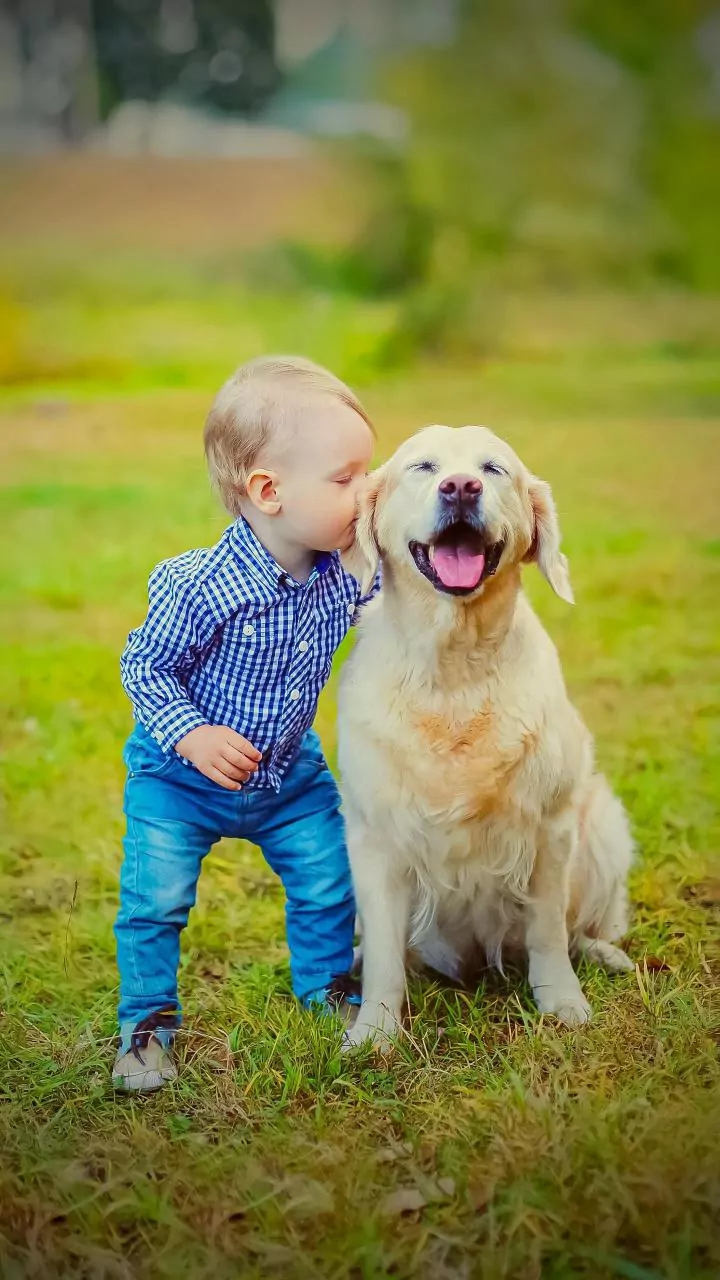
A profound cultural shift is reshaping Indian households, with millions of people now identifying as 'pet parents' rather than just owners. This phenomenon, known as pet humanisation, involves treating companion animals as integral family members, often
with the same emotional investment as children. This change is powering a massive economic expansion. India's pet care market was valued at approximately ₹30,434 crore in 2024 and is projected to skyrocket to ₹2.1 lakh crore by 2032. This growth isn't just happening in metros like Bengaluru and Delhi; Tier-II cities are showing explosive growth in demand for premium pet products, indicating a nationwide trend. Millennial and Gen Z consumers, in particular, are driving this market, bringing a more informed and wellness-focused approach to their pets' lives.
From Leftovers to Gourmet Meals
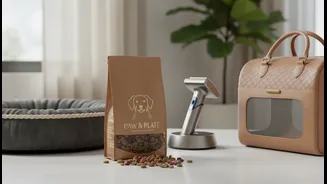
The most significant change is in nutrition. The age-old practice of feeding pets table scraps is giving way to scientifically formulated diets. The demand for premium options like grain-free meals, breed-specific formulas, and fresh-cooked diets is surging. Reports show that searches for grain-free pet food grew by over 150% year-on-year, reflecting a deeper awareness of animal nutrition. This shift is driven by the belief that better food leads to a longer, healthier life. However, this upgrade comes at a cost. Many veterinarians recommend specialised brands that can be significantly more expensive than standard options, forcing pet parents to weigh budget against perceived benefits.
Advanced Healthcare Becomes the Norm
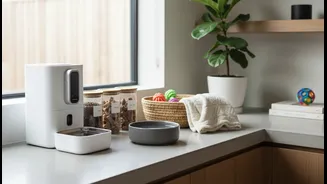
Beyond nutrition, spending on pet healthcare has become a major recurring expense. The focus is moving from reactive treatment to proactive, preventive care. This includes regular vaccinations, dental hygiene, and wellness supplements targeting issues like joint health and skin allergies. The availability of advanced veterinary services, such as specialised diagnostics, complex surgeries, and even telemedicine, is growing to meet demand. A routine vet visit can cost around ₹1,200, before adding diagnostics or medicines. This rising cost is also fueling a nascent market for pet insurance, designed to make high-end medical care more affordable for a wider range of owners.
The Lifestyle Factor: Spas, Birthdays, and Boutique Stays
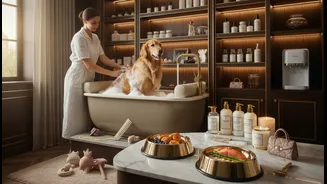
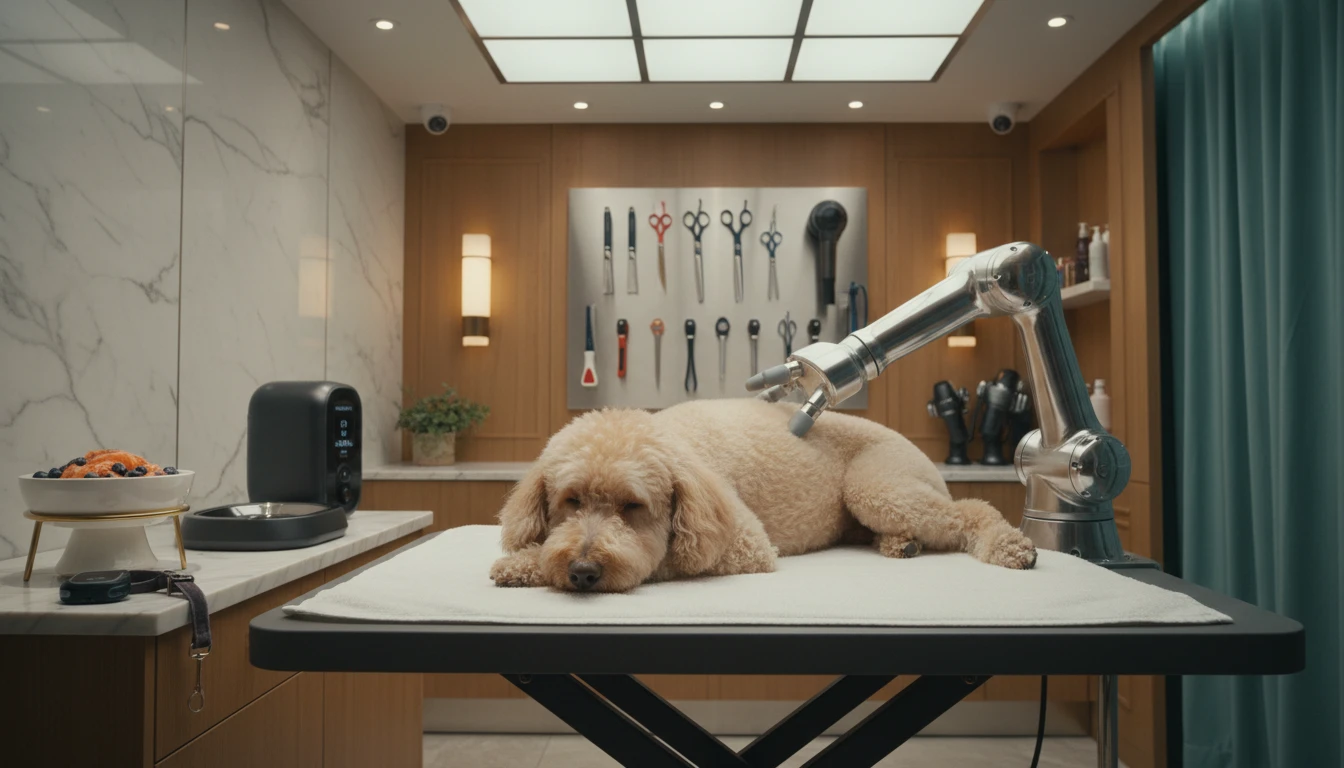
The premium economy extends well into lifestyle and discretionary spending. The market for accessories, apparel, and grooming has seen immense growth, with searches for products like dog shampoo climbing nearly 600%. It's no longer unusual to see pet birthday parties complete with customised cakes and decorations, a niche market that is rapidly growing. This includes services like pet spas, professional grooming, and even pet-friendly travel options. This 'lifestyle' spending is where the lines begin to blur between what benefits the animal and what serves the owner's emotional needs. The emotional connection is a key driver, with purchases often focused on comfort, care, and including pets in family celebrations.
Care, Compassion, or Consumerism?
This is the central question: does spending more equal better care? Experts acknowledge that premium food and proactive healthcare demonstrably improve animal welfare. However, the trend of humanisation can also trigger emotion-led consumerism. This is the feeling that one must constantly do more, leading to spending on products or services that may not be necessary for the pet's actual well-being. Veterinarians caution that while high-quality food is important, many marketing claims can be misleading. The key is to make informed choices based on a pet's genuine needs—for good nutrition, exercise, and companionship—rather than succumbing to market-induced pressure or guilt. A happy pet is not necessarily the most expensive one.