






The Comeback King of the Indian Garden
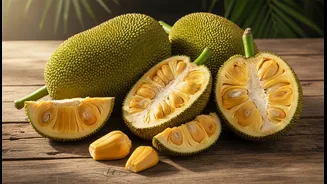
There’s a quiet revolution happening in vegetable baskets and on dining tables across India. Jackfruit, the world's largest tree-borne fruit, is being rediscovered. For generations, it was a seasonal staple, but in recent decades, its cumbersome size
and sticky sap saw it fall out of favour, especially in urban homes. Many trees were even cut down. Now, a renewed interest in traditional foods, a focus on health, and its global fame as a vegan sensation are bringing it back into the spotlight. What was once considered a poor man's fruit is now a trendy, sought-after ingredient, with states like Kerala even declaring it their official fruit to celebrate its resurgence.
Two Fruits in One: Raw vs. Ripe
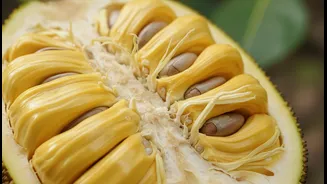
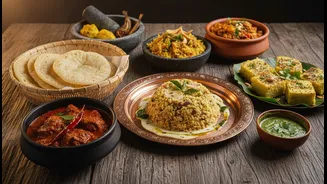
A key part of jackfruit's charm is its dual personality. When unripe and green (known as ‘kathal’), its texture is dense and fibrous, making it an excellent meat substitute that absorbs spices beautifully. This is the form used in savoury dishes like the classic Kathal ki Sabzi, hearty biryanis, and even pickles. As the fruit ripens, its flesh turns a vibrant yellow, becoming incredibly sweet and fragrant with a flavour often compared to a mix of pineapple, mango, and banana. This sweet version is eaten raw or used in a variety of desserts, from ice creams and cakes to traditional preparations like the Goan jackfruit halwa.
A Nutritional Powerhouse
Beyond its culinary flexibility, jackfruit’s return is powered by its impressive health credentials. It is packed with essential nutrients, including high levels of vitamins A and C, which are great for skin health and boosting immunity. It's also a fantastic source of dietary fibre, aiding digestion and promoting gut health. For those watching their blood sugar, the low glycemic index of raw jackfruit is a major plus, as the fibre helps prevent sudden spikes. Furthermore, it is rich in potassium, which is beneficial for heart health and regulating blood pressure, and contains antioxidants that can help reduce inflammation.
From Tree to Table: A User's Guide
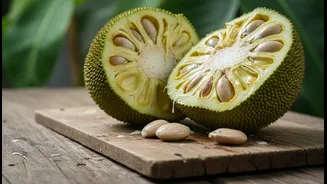
The biggest hurdle for many home cooks remains the preparation. The fruit’s sticky white sap (latex) can be a challenge. The trick is to apply a generous amount of oil to your hands, the knife, and the cutting surface before you begin. First, cut the fruit into large rounds, then slice off the green, thorny skin. Remove the hard central core from each piece. From there, you can easily separate the individual pods of fruit. For raw jackfruit dishes, the pods are typically chopped and cooked. For ripe fruit, you'll need to remove the seed from each pod before eating. Don't throw those seeds away—they can be boiled or roasted and taste similar to chestnuts.
Embracing a 'New-Old' Favourite
The renewed love for jackfruit is part of a larger trend of looking back to our roots for sustainable and healthy food choices. Its resilience as a crop, often requiring no pesticides or fertilisers, makes it an environmentally friendly option. As entrepreneurs make it more accessible in ready-to-cook formats, the barriers of its messy preparation are disappearing. Whether you're exploring its meaty texture in a spicy curry or savouring the sweet flesh of the ripe fruit on a summer afternoon, it's clear that jackfruit has rightfully reclaimed its place in the heart of the Indian kitchen.