





A Global Phenomenon by the Numbers
Since its release, 'Ramayana' has embarked on a record-shattering theatrical run. The film has reportedly grossed over ₹1,500 crore worldwide, making it one of the highest-grossing Indian films of all time. This monumental figure is not just driven by
a historic domestic performance, where it has already crossed the ₹949 crore net collection mark, but also by unprecedented success in international markets. In territories like North America, the United Kingdom, Australia, and the Middle East, the film has drawn massive audiences beyond the traditional diaspora, indicating a significant crossover appeal. This success has cemented director Nitesh Tiwari's reputation as a hitmaker, making him the only Indian director with two films in the coveted ₹1,500 crore club, the first being 'Dangal'.
More Than Just Grand Visuals
While the film's state-of-the-art visual effects are a major talking point, its true strength lies in its masterful storytelling. Tiwari, known for his ability to blend spectacle with heartfelt emotion, has navigated the epic's complexities with a balanced and respectful approach. The screenplay, co-written with Sridhar Raghavan, focuses on the core human emotions of love, sacrifice, duty, and loss. This narrative clarity has allowed the film to connect with viewers on a personal level, ensuring that the emotional core of the ancient tale is not lost amidst the grand-scale battles and divine occurrences. By grounding the divine characters in relatable human struggles, the film has managed to feel both timeless and contemporary.
VFX That Serves the Story
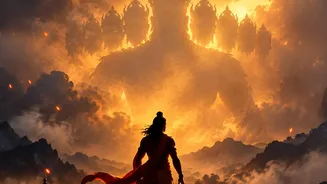
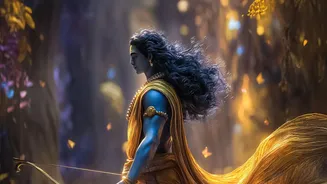
Mounted on a colossal budget, 'Ramayana' was one of the most anticipated Indian films, with its visual effects handled by the renowned studio DNEG. The filmmakers aimed to create a world that was both fantastical and believable, and the result is a visual marvel that has set a new benchmark for Indian cinema. From the majestic kingdom of Ayodhya to the menacing shores of Lanka, the world-building is immersive and detailed. Crucially, the technology serves the narrative rather than overwhelming it. The 'astras' (celestial weapons) and grand battle sequences are rendered with a sophistication that rivals major Hollywood productions, providing a spectacle that has proven to be a major draw for audiences returning to theatres.
An Epic for a New Generation
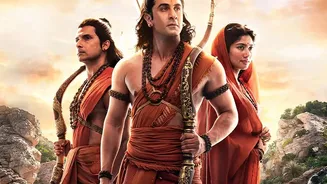
A key factor in the film's sustained success is its ability to resonate with a younger demographic. For many young viewers, this film is their definitive introduction to the epic on a grand cinematic scale. The casting of popular actors like Ranbir Kapoor as Lord Ram, Sai Pallavi as Sita, and Yash as Ravana has brought a fresh energy to the timeless characters. Furthermore, the film’s powerful score, a collaboration between global icon Hans Zimmer and India's own A.R. Rahman, has created an auditory landscape that is both epic and modern. This blend of classic storytelling with contemporary cinematic language has made the epic accessible and exciting for a generation accustomed to global fantasy franchises.
The Diaspora's Cultural Embrace
The Indian diaspora has played a pivotal role in the film's international triumph. In 2026, Indian cinema has seen a significant global expansion, with stories rooted in local culture finding a worldwide audience. For many Indians living abroad, a film like 'Ramayana' is more than just entertainment; it is a powerful cultural touchstone that connects them to their heritage. Its record-breaking overseas collection of $59 million (excluding China) highlights how deeply the narrative resonates with audiences eager to see their stories told with conviction and scale on the world stage. The film’s success proves that cultural specificity, when presented with universal emotional themes, can become a gateway for curiosity rather than a barrier.