


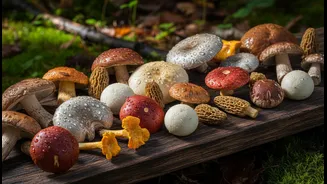


A Monsoon Tradition Reimagined
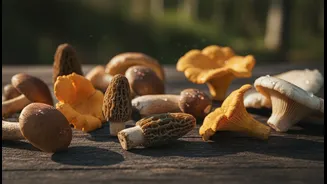
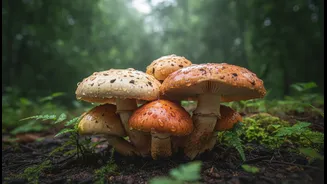
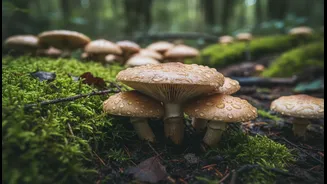
For generations, the monsoon has heralded the arrival of wild mushrooms. In states like Goa, the prized, termite-hill grown 'olmi' mushrooms command high prices and are eagerly transformed into dishes like Xacuti. Similarly, 'thunder mushrooms' in Konkani
cuisine are a celebrated seasonal treat, born from the first rains and foraged from the wild. This deep-rooted connection to the season has laid the groundwork for the mushroom's current culinary moment. While foraging remains a cherished practice, the narrative is expanding. The increased availability of cultivated mushrooms means this once-seasonal ingredient is now a year-round staple, allowing for continuous culinary exploration.
From Foraged Find to Farmed Favourite
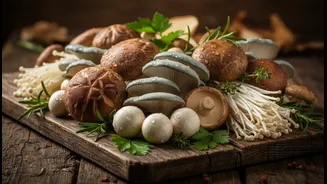
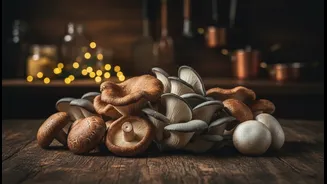
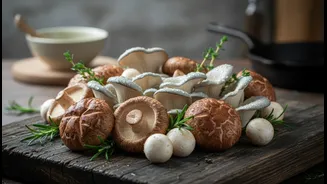
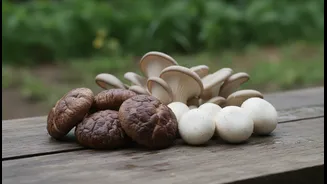
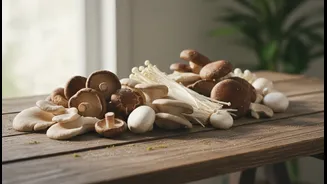
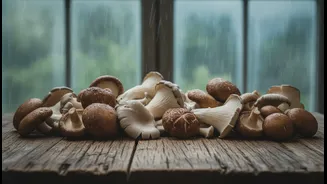
The biggest shift in India's mushroom consumption is the move from reliance on a handful of wild types to a wide array of cultivated varieties. Once, the market was dominated by the standard white button mushroom. Today, farms across the country are cultivating gourmet options like shiitake, oyster, portobello, and even rarer finds like lion's mane and pioppino. This agricultural boom is driven by growing consumer demand and makes mushrooms more accessible than ever. Entrepreneurs and companies are establishing dedicated mushroom farms, some even focusing on organic and artisanal production, supplying directly to homes, restaurants, and hotels. This steady supply chain is crucial, allowing chefs and home cooks to experiment with textures and flavours that were previously unavailable.
The Chef's Creative Canvas
Indian chefs are at the forefront of this trend, treating mushrooms as a versatile primary ingredient rather than a simple side. Their sponge-like ability to absorb spices makes them a perfect fit for flavourful Indian gravies. You'll now find them starring in classic North Indian dishes like Kadai Mushroom and Mushroom Masala, where they offer a meaty texture. Beyond traditional curries, chefs are using mushrooms in innovative ways, from mushroom-based steaks to fusion dishes that blend global techniques with local ingredients. Chefs like Satish, known as the 'Indian Mushroom Chef', are on a mission to popularize their use, creating artisanal products and farm-to-table vegan experiences that highlight the mushroom's potential.
A Nutritional Powerhouse
The growing interest in health and wellness is another significant factor behind the mushroom's rise. Mushrooms are a nutritional powerhouse, low in calories but rich in protein, fibre, and antioxidants. They are one of the few natural food sources of Vitamin D and also provide essential minerals like selenium, potassium, and copper. Different varieties offer unique benefits; shiitake mushrooms are noted for their immune-boosting properties and ability to help lower cholesterol, while others like lion's mane are studied for cognitive benefits. As more Indians become health-conscious, mushrooms offer a compelling combination of flavour and function, making them an ideal addition to a balanced diet.
Bringing the Trend Home
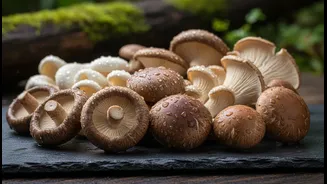
This culinary shift isn't just happening in restaurants; it's taking root in home kitchens too. The wider availability in local markets and online makes it easier for home cooks to get adventurous. For those new to cooking with diverse mushrooms, a few tips can help. Button or cremini mushrooms are great all-rounders for curries and stir-fries. Meaty portobellos can be grilled or used as a substitute for meat. Delicate oyster mushrooms are perfect for a quick sauté with garlic and herbs. When buying, look for firm, dry mushrooms and store them in a paper bag in the refrigerator to maintain freshness. And while wild mushrooms are delicious, it's crucial to only consume those sourced from reputable vendors to avoid toxic varieties.