



An Engine Forged in Fire
Deep within our planet, a process of immense scale and power is underway. The Earth's core consists of a solid inner core and a liquid outer core made of molten iron and nickel. Heat escaping from the solid inner core creates massive, churning convection
currents in the liquid metal, a process known as the geodynamo. This motion of electrically conductive fluid generates powerful electric currents which, in turn, create a vast magnetic field that envelops the entire planet. This magnetic field, called the magnetosphere, extends tens of thousands of kilometres into space, forming a protective bubble around our world.
Deflecting the Sun's Fury
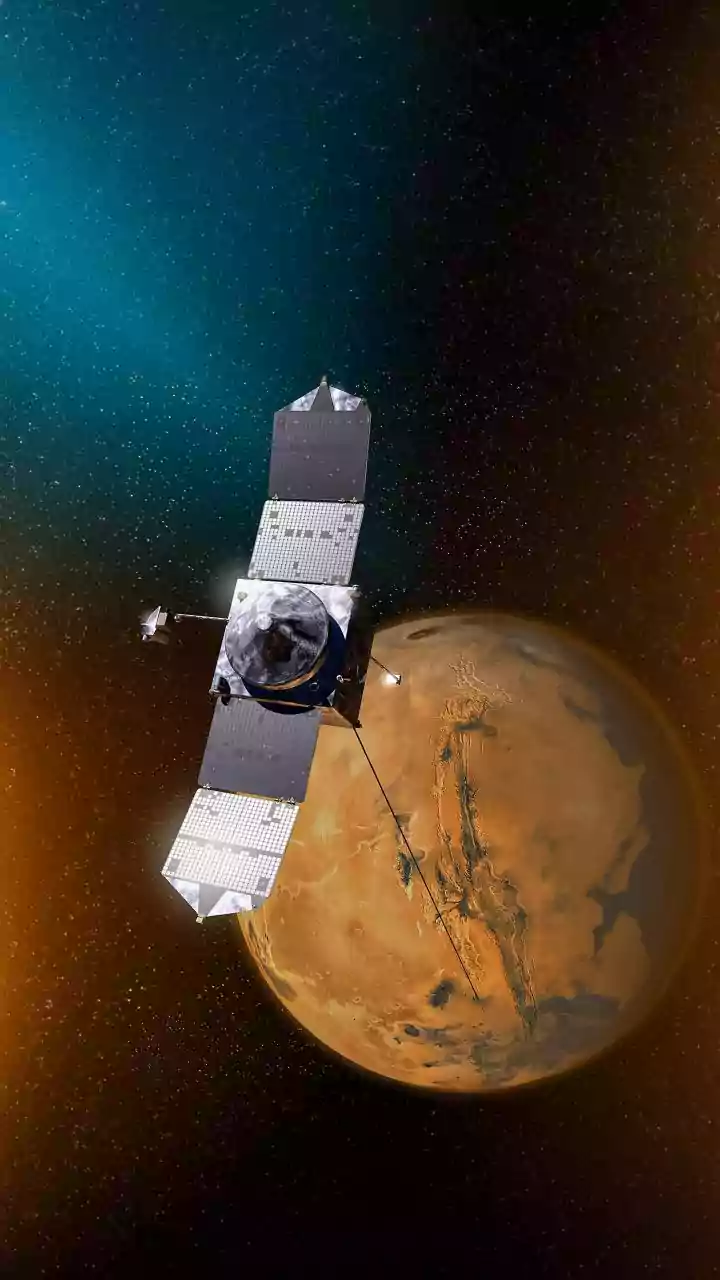
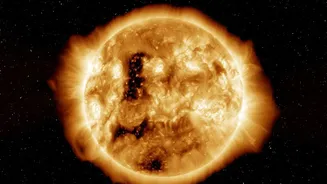
Our Sun, while essential for life, is also a source of immense danger. It continuously emits a stream of charged particles known as the solar wind. Travelling at incredible speeds, this solar wind would, if unchecked, strip away our planet's atmosphere over time, much like it is believed to have happened on Mars billions of years ago. This is where our shield excels. The magnetosphere deflects the vast majority of these charged particles, forcing them to flow around the Earth. This deflection not only preserves our precious atmosphere and the ozone layer but also prevents harmful radiation from reaching the surface where it could damage life.
A Shield Against the Cosmos
The Sun isn't the only threat. Space is filled with cosmic rays — high-energy particles originating from supernova explosions and other violent events far outside our solar system. These particles can damage DNA and pose a significant risk to all living organisms. The magnetosphere acts as our primary defence, shielding the planet's surface from the most intense of these cosmic rays. While our atmosphere provides a secondary layer of protection, without the magnetic field, life on the surface would be exposed to far higher levels of dangerous radiation, potentially leading to increased cancer risks and genetic mutations.
A Glimpse of the Battle
Though the magnetosphere is invisible, its effects are not. The beautiful, shimmering lights of the aurora borealis and aurora australis are a direct result of our shield in action. When particles from the solar wind manage to penetrate the magnetosphere, they are funnelled along magnetic field lines toward the poles. There, they collide with atoms and molecules in the upper atmosphere, releasing energy in the form of light and creating the spectacular displays we see in the night sky. These auroras are a stunning visual reminder of the constant cosmic battle being waged on our behalf.
What If the Shield Weakens?
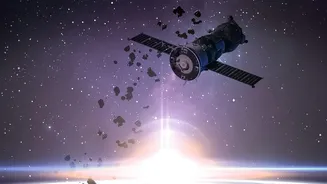
The magnetic field is not static; it fluctuates in strength and the magnetic poles are known to wander. Scientists have observed that the field has weakened by about 9% on average over the last 200 years. There is a particularly weak area known as the South Atlantic Anomaly, which is expanding and poses a risk to satellites passing through it due to increased radiation. While a complete disappearance is not considered likely in the short term, a significantly weaker field would have serious consequences. It would disrupt navigation systems, damage power grids, and confuse animals that rely on the field for migration, like sea turtles and birds. Most critically, a weaker shield means more harmful radiation reaching the surface, impacting all life.