



Understanding the 'Destination of the Year' Award
Each year, the travel world turns its attention to the 'Destination of the Year' announcement, an award that recognises a country's outstanding contribution to global tourism. The criteria extend beyond mere visitor numbers; they evaluate cultural significance,
sustainable tourism efforts, infrastructural development, and the depth of the travel experience offered. This award often signals a country's arrival as a premier, must-visit location, influencing travel trends for the year ahead. For India, this 2027 accolade is a celebration of its unique ability to blend ancient traditions with modern dynamism, offering travellers a journey that is both profound and accessible. The recognition highlights the nation's success in preserving its heritage while investing in world-class hospitality and connectivity.
Why India? A Tapestry of History and Modernity
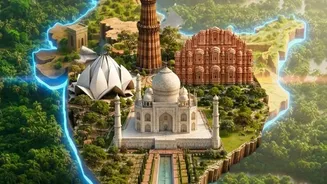
India's selection was driven by its unparalleled diversity and the government's focus on enhancing tourism through initiatives like Swadesh Darshan 2.0, which aims to develop sustainable and responsible destinations. The country offers a journey through time, from millennia-old spiritual practices to bustling modern metropolises. International visitor spending has shown remarkable resilience and growth, underscoring the global appetite for India’s unique offerings. The award's editorial coverage specifically pointed to the nation's historic urban centres, where layers of history are visible on every street corner and architectural marvels tell stories of bygone eras. These cities are not just relics of the past; they are living, breathing cultural hubs that form the backbone of India's tourism appeal.
Spotlight City: Varanasi, The Spiritual Heart
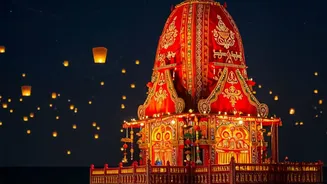
No exploration of India’s historic cities is complete without Varanasi. Considered one of the world's oldest continuously inhabited cities, it is a spiritual epicentre for Hindus and a captivating destination for global travellers. Its iconic ghats, lining the sacred River Ganges, are the stage for daily life and profound rituals, most famously the spectacular evening Ganga Aarti. Recent developments, like the Kashi Vishwanath Corridor, have improved infrastructure and accessibility, leading to a surge in visitors seeking spiritual and cultural immersion. As a city that embodies India's soul, Varanasi's inclusion is a testament to its timeless allure and its central role in the country's spiritual landscape.
Spotlight City: Hampi, The City of Ruins
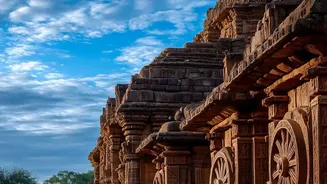
Once the majestic capital of the Vijayanagara Empire, Hampi is now a UNESCO World Heritage site that transports visitors to a different era. Spread across a surreal, boulder-strewn landscape, the site features over 1,600 surviving remains, including temples, royal enclosures, and military structures. The Virupaksha Temple remains an active place of worship, while the iconic stone chariot at the Vittala Temple complex has become a symbol of Hampi's grandeur. The architecture is a stunning blend of Dravidian and Indo-Islamic styles, showcasing the artistic and engineering prowess of the empire. Hampi’s selection highlights a destination that offers a truly grand and evocative journey into India's powerful history.
Spotlight City: Jaipur, The Royal Pink City
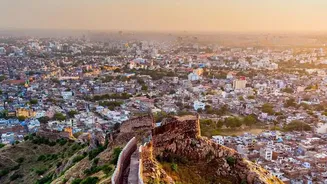
Known as the 'Pink City' for its distinctively coloured buildings, Jaipur is a masterpiece of urban planning and royal heritage. Founded in 1727, its streets are a vibrant mix of bustling bazaars and majestic forts and palaces. Key attractions include the formidable Amber Fort, the intricate Hawa Mahal (Palace of Winds), and the City Palace, which is still home to the royal family. Jaipur is also a UNESCO World Heritage Site, recognized for its grid-like structure and the harmonious blend of Mughal and Rajasthani architecture. As part of the famous Golden Triangle tourist circuit, Jaipur provides a colourful and accessible glimpse into the splendour of India's royal past.