


An End Date, Then an Extension
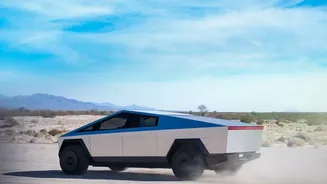
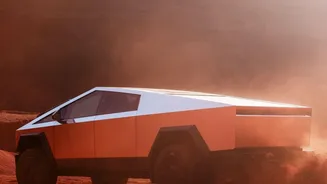
In a series of posts on his social media platform X, Elon Musk has provided the clearest, albeit shifting, roadmap for the Cybertruck's production future. Initially, Musk announced on November 6 that Tesla would wind down production of the truck around
mid-2027 to reallocate factory space to its upcoming Cybercab robotaxi. Just days later, he specified the shutdown would occur in about eight months, confirming that demand was so high the company would have to refund deposits to many reservation holders whose orders could not be fulfilled. Then, on November 11, Musk reversed course slightly, announcing that production would be extended 'through the end of summer 2027' to work through more of the order backlog. This extension provides a roughly two-to-three-month reprieve for the ambitious but troubled vehicle program.
The Production Puzzle
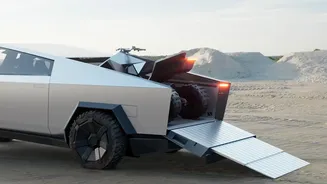
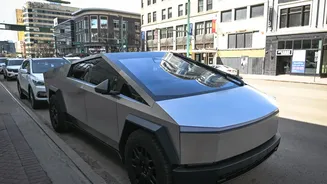
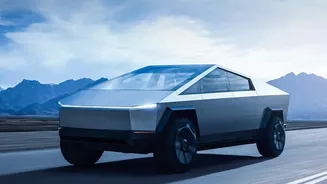
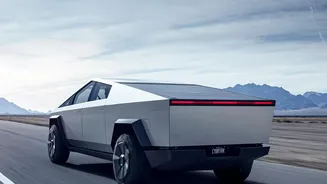
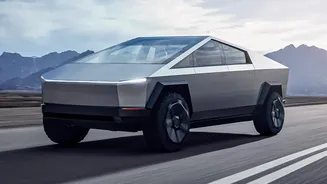
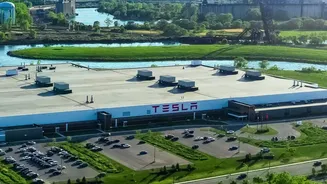
The Cybertruck has been one of Tesla's most challenging vehicles to manufacture at scale. Since customer deliveries began in late 2023 after a four-year wait, the truck has been plagued by production difficulties related to its unique stainless-steel exoskeleton and unconventional design. Original projections from Musk suggested an annual production target of 250,000 units. However, actual sales have fallen dramatically short. Kelley Blue Book data shows a drop from nearly 39,000 units sold in the US in 2024 to just over 20,000 in 2025. Some estimates place the current production rate at an annualized pace of around 30,000 units, using only a fraction of the Giga Texas factory's installed capacity of over 125,000 vehicles per year.
Reading Between the Lines
Musk has pushed back against reports that the Cybertruck is being discontinued due to unprofitability. Instead, he frames the decision around 'opportunity cost', arguing that the manufacturing complexity and engineering talent required for the Cybertruck are better spent on ramping up the Cybercab. However, the production extension itself was framed as a decision based on sentimentality rather than pure profit maximization. This has fueled speculation that backlash from loyal fans and reservation holders may have influenced the decision to extend the production run. To clear the backlog faster, Tesla reportedly plans to add an extra production shift before the line ultimately shuts down.
What This Means for Buyers
For the millions who reportedly placed a refundable $100 deposit, the future is uncertain. Musk has stated plainly that Tesla 'will have to return deposits for a lot of people' because the order rate exceeds what can be built before the 2027 shutdown. The company has not yet clarified how it will prioritize which orders get filled and which get refunded. Further complicating matters for prospective buyers, Tesla has already begun simplifying its offerings by discontinuing lower-priced trims. The only model available for new orders is now the top-tier 'Cyberbeast', which recently saw a price increase to $109,990. This suggests the final production slots will be reserved for the highest-margin configurations.
The Pivot to Robotaxis
The end of the Cybertruck era, whenever it officially arrives, marks a significant strategic pivot for Tesla. The company is shifting its focus from expanding its consumer vehicle lineup to dominating a future of autonomous mobility. Factory space, resources, and engineering talent at Giga Texas will be redirected to the Cybercab, a two seat autonomous vehicle with no steering wheel or pedals that is central to Tesla's planned robotaxi service. Musk has predicted that the production volume of the Cybercab will eventually surpass all other Tesla vehicles combined. This gamble on an autonomous future is coming at the direct expense of its most visually iconic, and controversial, consumer product.