


Prepare Your Vehicle Before the Rains Hit
A stress-free monsoon drive begins before you even turn the key. Getting your car ready is the first and most critical step. Start with the tyres, which are your only connection to the slippery road. Ensure they have adequate tread depth—at least 2-3
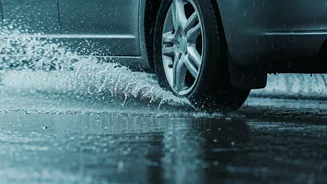
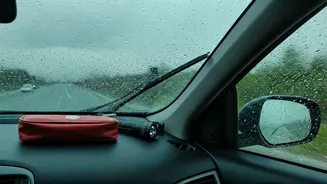
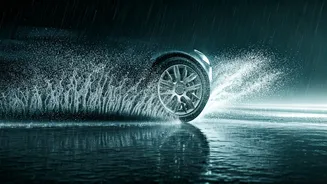
mm—to effectively channel water and prevent aquaplaning, a dangerous situation where your car loses traction on a wet surface. Also, check that your tyres, including the spare, are inflated to the correct pressure. Next, inspect your wiper blades. Worn-out wipers will streak and smudge, severely impairing your vision in a downpour. If they aren't clearing the windscreen cleanly, replace them. While you're at it, top up the windshield washer fluid. Finally, give your brakes a thorough check. Wet conditions can reduce braking efficiency, and you'll want them in top shape. Listen for any squealing sounds and get them inspected if you feel any delay in response.
Ensure You Can See and Be Seen
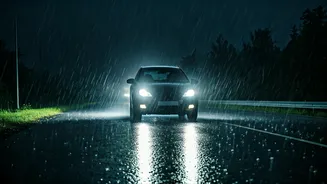
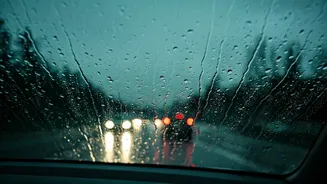
Visibility is one of the biggest challenges during a downpour. Before heading out, make sure all your vehicle's lights are working correctly—headlights, tail lights, brake lights, and indicators. Clean the light lenses to ensure they aren't covered in grime, which can dim their brightness. During heavy rain, always drive with your low-beam headlights on, even during the day. This not only helps you see the road ahead but, more importantly, makes you visible to other drivers. Avoid using high beams, as they can reflect off the raindrops and dazzle oncoming traffic, worsening their visibility. Inside the car, fogging windows can be a major issue due to humidity. Ensure your air-conditioning system is working well, as it helps to dehumidify the air and clear the windscreen. Directing the airflow to the windshield is the quickest way to demist it.
Adapt Your Driving Style for Wet Roads
Driving in the rain isn't just about preparing your car; it's about changing how you drive. The most important rule is to slow down. Wet roads significantly increase your braking distance, so reducing your speed gives you more time to react to hazards. Maintain at least double the usual distance from the vehicle in front of you. Avoid sudden braking or abrupt steering manoeuvres, which can cause you to lose control. Be especially cautious on concrete roads, bridges, and overpasses, as they can be extra slippery. Also, remember that road markings like zebra crossings become extremely slick when wet, so avoid braking hard on them. Be extra considerate to two-wheelers and pedestrians, who are more vulnerable in the rain.
Navigating Waterlogged Roads Safely
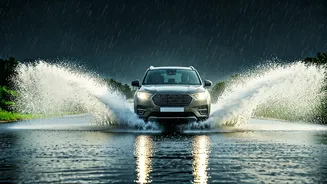
Encountering a waterlogged street is a common monsoon problem in India. The golden rule is: if you can't see the road surface or gauge the depth of the water, don't drive through it. Find an alternate route if possible. Puddles can hide deep potholes or open manholes that can cause serious damage to your car. If you must proceed, try to gauge the depth by watching other vehicles. As a general rule, don't attempt to cross if the water level is higher than the centre of your wheels. Drive slowly and steadily in a low gear (usually first or second), keeping the engine revs high to prevent water from entering the exhaust pipe. Do not stop or accelerate suddenly. After clearing the water, gently tap your brakes a few times to dry them out and restore their effectiveness.
What to Do If Your Car Stalls in Water
If your car stalls while crossing a waterlogged area, the most important thing to do is not panic and absolutely do not try to restart the engine. Attempting to crank a submerged engine can lead to 'hydrostatic lock,' where water enters the engine cylinders and can cause catastrophic, expensive damage. The best course of action is to put the car in neutral, turn on your hazard lights, and, if possible, push the vehicle to a safer, drier spot. Once out of the water, call for roadside assistance to have your car inspected by a professional before trying to start it again. If you are trapped inside and the doors won't open due to water pressure, try to open them by pushing with both feet. If that fails, break a side window (not the front windscreen, which is tougher) to escape.
Keep an Emergency Kit Handy
Given the higher chances of getting stuck in traffic or breaking down during the monsoon, having an emergency kit is a wise precaution. Your kit should include essentials like a torch, a fully charged power bank for your phone, a first-aid kit, and a reflective warning triangle. It's also a good idea to keep a tow rope, an umbrella, a towel, and even a change of clothes. Having these items won't just be useful in an emergency; they will also provide peace of mind, making your journey less anxious.