





The Shift to Quality Over Quantity
For years, the conventional wisdom was that a workout wasn't worthwhile unless it lasted 30 to 60 minutes. While longer sessions are certainly beneficial, the focus is shifting from duration to the concepts of consistency and intensity. Studies now show
that the accumulated total of physical activity is a key predictor of reduced risk for coronary heart disease, regardless of whether the exercise happens in one long session or several shorter ones. The message is simple and encouraging: every bit of movement counts. The biggest health gains are often seen when people go from being sedentary to doing even a small amount of activity.
How Short Bursts Benefit Your Heart
Even brief periods of exercise can trigger significant physiological benefits for your cardiovascular system. When you engage in short, intense activity, you challenge your heart to pump blood more efficiently. This can lead to lower blood pressure and improved cholesterol profiles over time. These workouts also help your body manage blood sugar more effectively by increasing insulin sensitivity, which is a crucial factor in preventing type 2 diabetes. Furthermore, even a quick 10-minute session can release endorphins, the body's natural mood-boosters, which helps reduce stress—a known contributor to heart issues.
What Counts as a 'Short' Workout?
A 'short' workout can range from just a few minutes to around 15. The key is often intensity. High-Intensity Interval Training (HIIT) is a popular and effective method, involving short bursts of all-out effort followed by brief recovery periods. A 10-minute HIIT session can provide similar cardiovascular benefits to a much longer moderate-intensity workout. Another emerging concept is "exercise snacking," which involves spreading very short bouts of activity—as little as two to five minutes—throughout the day. This could be something as simple as climbing a few flights of stairs vigorously or doing a quick set of bodyweight exercises. Studies have shown these "snacks" significantly improve heart and lung fitness.
Smart Exercises for a Packed Schedule
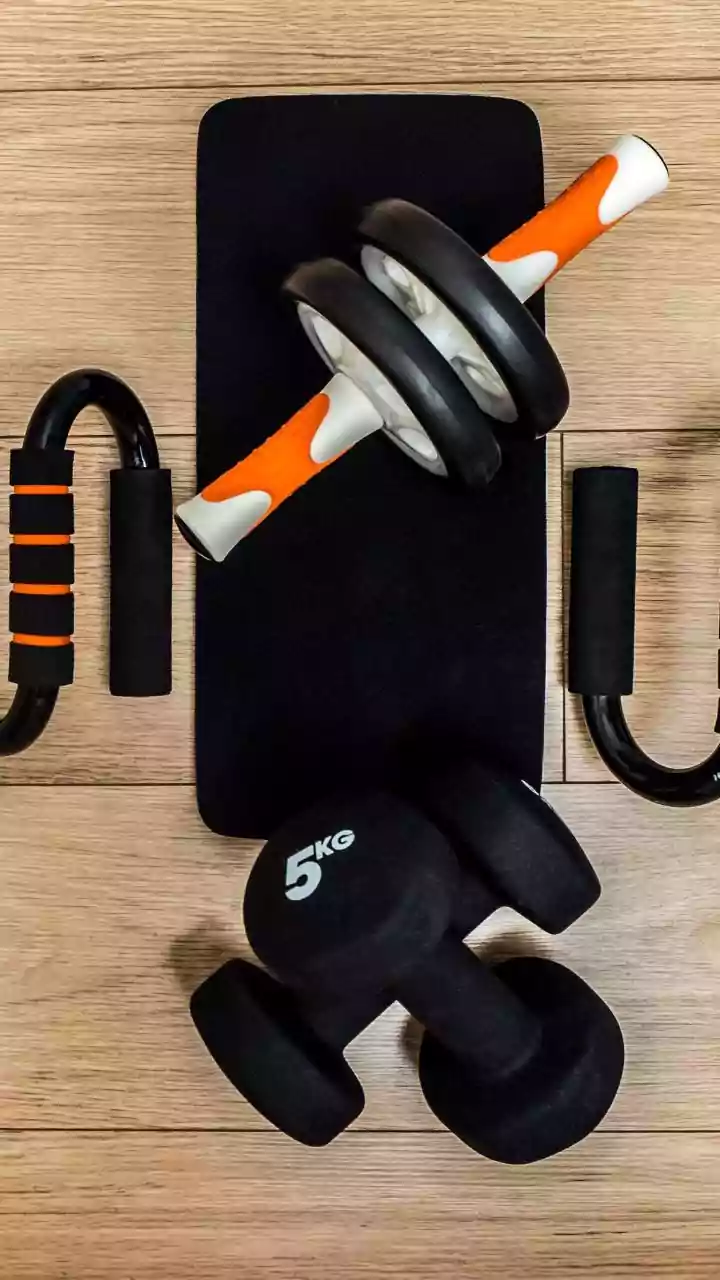
You don't need fancy equipment or a lot of space to get an effective mini-workout. The goal is to choose exercises that get your heart rate up quickly. Bodyweight movements are perfect for this. Consider movements like jumping jacks, burpees, high knees, squats, and push-ups. You can create a simple circuit by performing one exercise for 30-45 seconds, resting for 15-30 seconds, and then moving to the next. Even activities integrated into your daily routine, like taking the stairs instead of the lift or doing a few short sprints during your regular walk, can contribute to your weekly activity goals.
Making It a Sustainable Habit
The biggest advantage of short workouts is that they are easier to stick with. It's much less daunting to find 10 minutes in your day than a full hour. Try to anchor these mini-sessions to an existing part of your routine. For example, do a quick workout right before your morning shower, during your lunch break, or while waiting for dinner to cook. The key is consistency. Accumulating 150 minutes of moderate-intensity activity per week is the standard recommendation, and you can absolutely reach that goal in 10- or 15-minute increments. By making exercise more accessible and less of a time commitment, you are more likely to build a lasting habit that protects your heart for years to come.