



An Ocean World Hiding in Plain Sight
For decades, Europa has fascinated scientists. It is one of the smoothest solid objects known in our solar system, suggesting its surface is constantly being renewed. This, along with magnetic field data captured by the Galileo spacecraft in the 1990s,
provides strong evidence for a global ocean of liquid saltwater hidden beneath an ice shell that could be miles thick. The main driver for this hidden ocean is believed to be tidal flexing. The immense gravitational pull from Jupiter and its other large moons rhythmically squeezes and stretches Europa, generating enough internal heat to keep the water from freezing solid despite surface temperatures plunging to -160°C.
Meet the Robotic Explorer: Europa Clipper
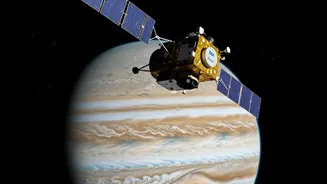
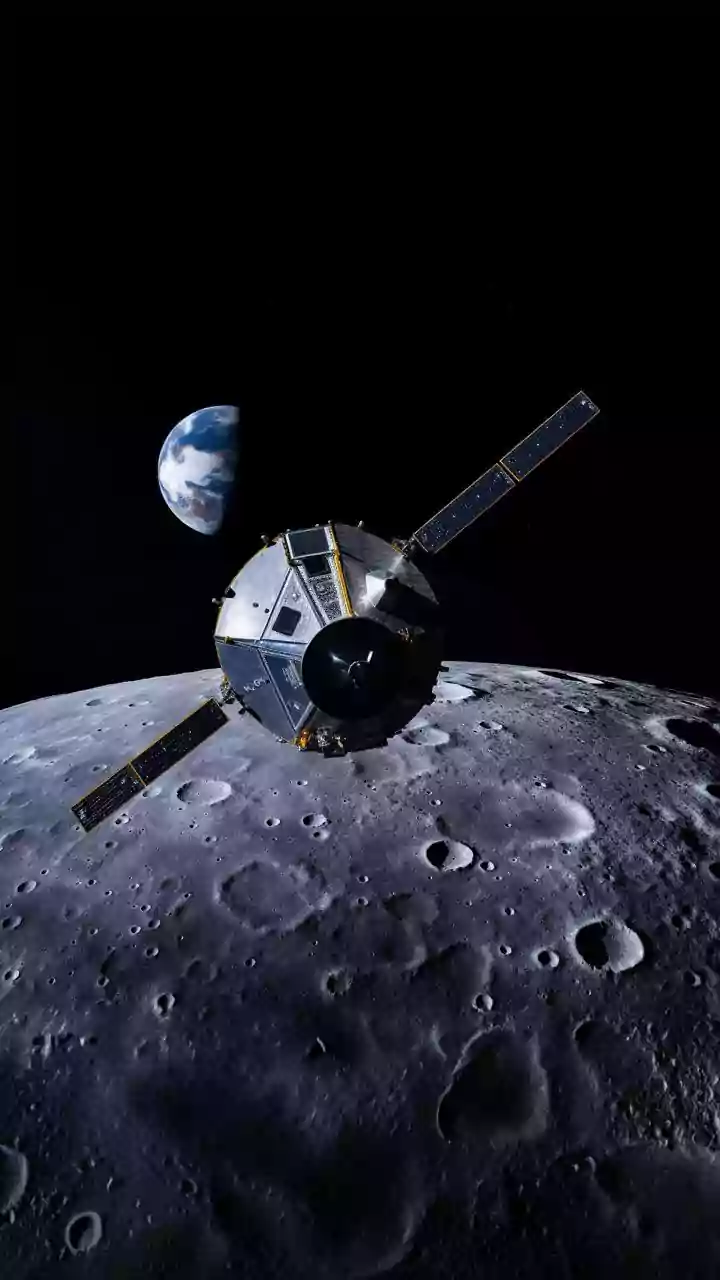
To investigate this tantalizing world, NASA has sent its largest-ever planetary spacecraft, the Europa Clipper. Launched in October 2024, the solar-powered craft will embark on a nearly six-year journey to the Jupiter system, scheduled to arrive in April 2030. Rather than orbiting Europa directly—which would expose it to Jupiter's intense and damaging radiation—Clipper will enter a long, looping orbit around Jupiter itself. This clever trajectory will allow it to perform nearly 50 close flybys of Europa, some as low as 25 kilometers (16 miles) above the surface, to gather detailed measurements before retreating to a safer distance.
A Toolkit for Unveiling Secrets
The Clipper is outfitted with a sophisticated suite of nine scientific instruments designed to work in concert. Its cameras will map up to 90% of Europa's surface in unprecedented high resolution, looking for geological activity. An ice-penetrating radar will measure the thickness of the ice shell and search for pockets of liquid water trapped within it. Meanwhile, a magnetometer will confirm the ocean's existence by studying the magnetic field induced within its salty water, which can also reveal the ocean's depth and salinity. Other instruments, including spectrometers, will analyze the chemical composition of the surface and any potential water vapor plumes that may erupt into space. Such plumes could offer a direct sample of the ocean below without having to drill through the ice.
The Hunt for Habitability
It is crucial to understand that Europa Clipper is not a life-detection mission. Its primary goal is to determine if Europa possesses the three key ingredients for life as we know it: liquid water, essential chemistry, and a source of energy. We know the water is likely there. The spacecraft’s instruments will search for the chemical building blocks—like carbon, hydrogen, nitrogen, oxygen, phosphorus, and sulfur—on the surface and in any plumes it might encounter. The energy source could come from the same tidal forces that warm the ocean, possibly creating hydrothermal vents on the seafloor similar to those on Earth that support entire ecosystems without sunlight. By assessing these three factors, Clipper will determine whether Europa is a habitable environment.
A Long Journey to Discovery
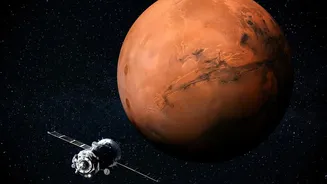
Patience is key for this deep-space exploration. After its 2024 launch, the Europa Clipper will perform gravity-assist flybys of Mars in 2025 and Earth in 2026 to build up the speed needed for its long trip to Jupiter. It will begin its first science flyby of Europa in the spring of 2031. The findings will be transmitted across hundreds of millions of miles back to Earth, painting the most detailed picture yet of an alien ocean world. While the spacecraft won’t give a definitive yes or no on the question of life, it will scout for potential landing sites for future missions that could one day search for direct evidence.