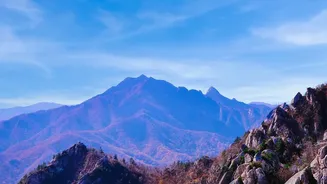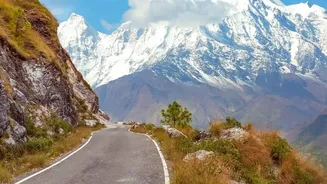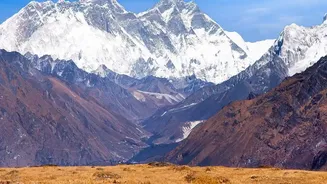



As the heavy monsoon clouds recede, they pull back a curtain on one of nature's grandest spectacles: the Indian Himalayas. For a few precious weeks, the mountains emerge, sharper and more brilliant than at any other time of year.
The Science Behind the Scenery
The incredible clarity
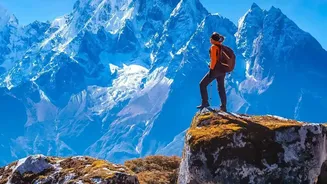
of the post-monsoon skies is no accident; it is a direct result of the intense rains that soak the subcontinent for months. The monsoon acts like a natural wash cycle for the atmosphere. Rain droplets capture and pull down dust, pollutants, and other aerosols that accumulate during the dry summer, leaving the air scrubbed clean. When the rains finally stop, typically in late September, the atmosphere that remains has significantly lower levels of haze. This results in what photographers and trekkers cherish most: surgically sharp, high-definition views where distant peaks appear close enough to touch. The air is crisp, the skies are a deep, brilliant blue, and the visibility can be extraordinary.
The Prime Viewing Window
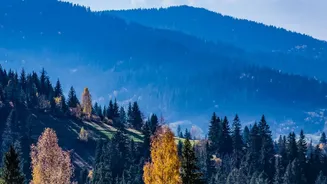
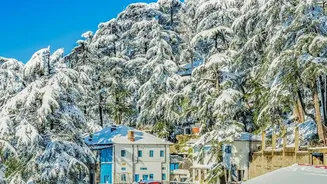
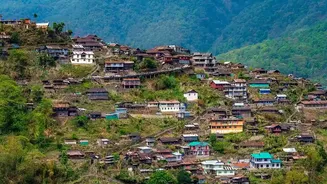
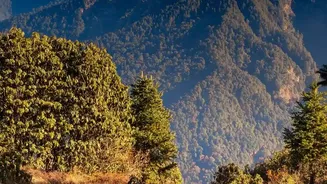
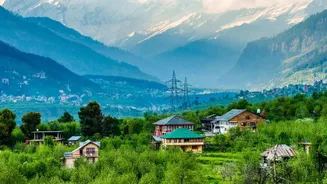
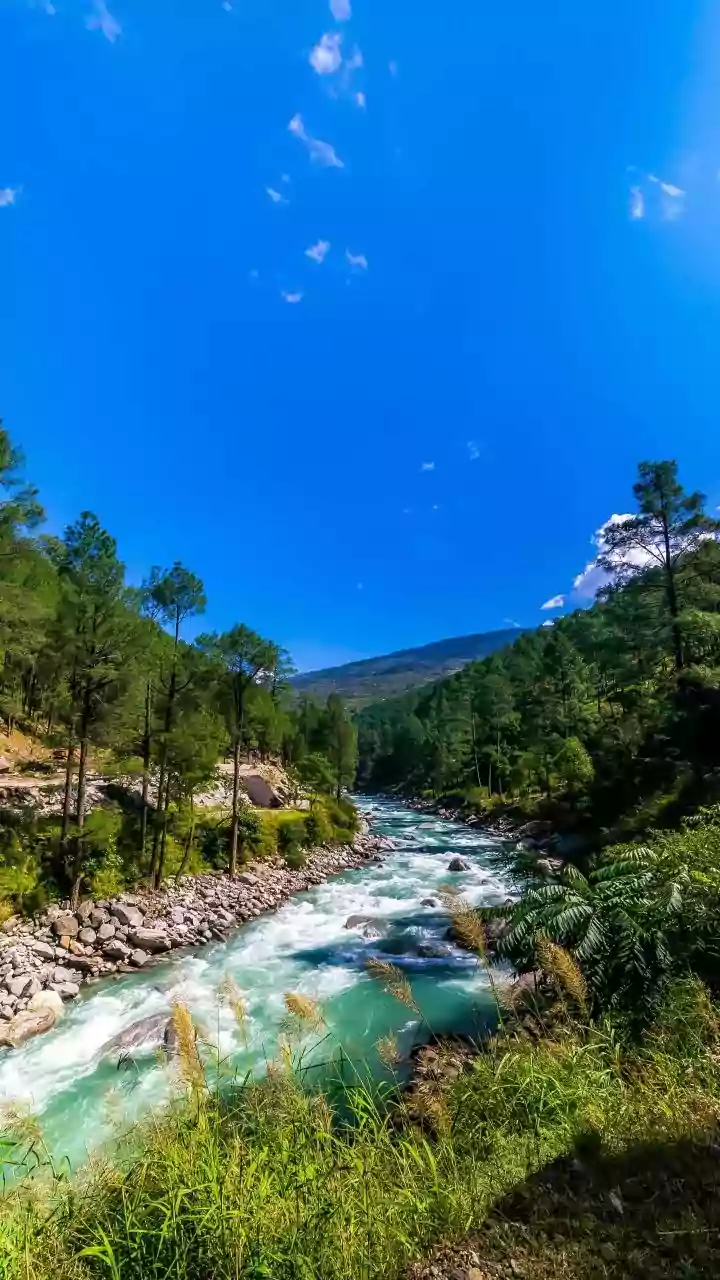
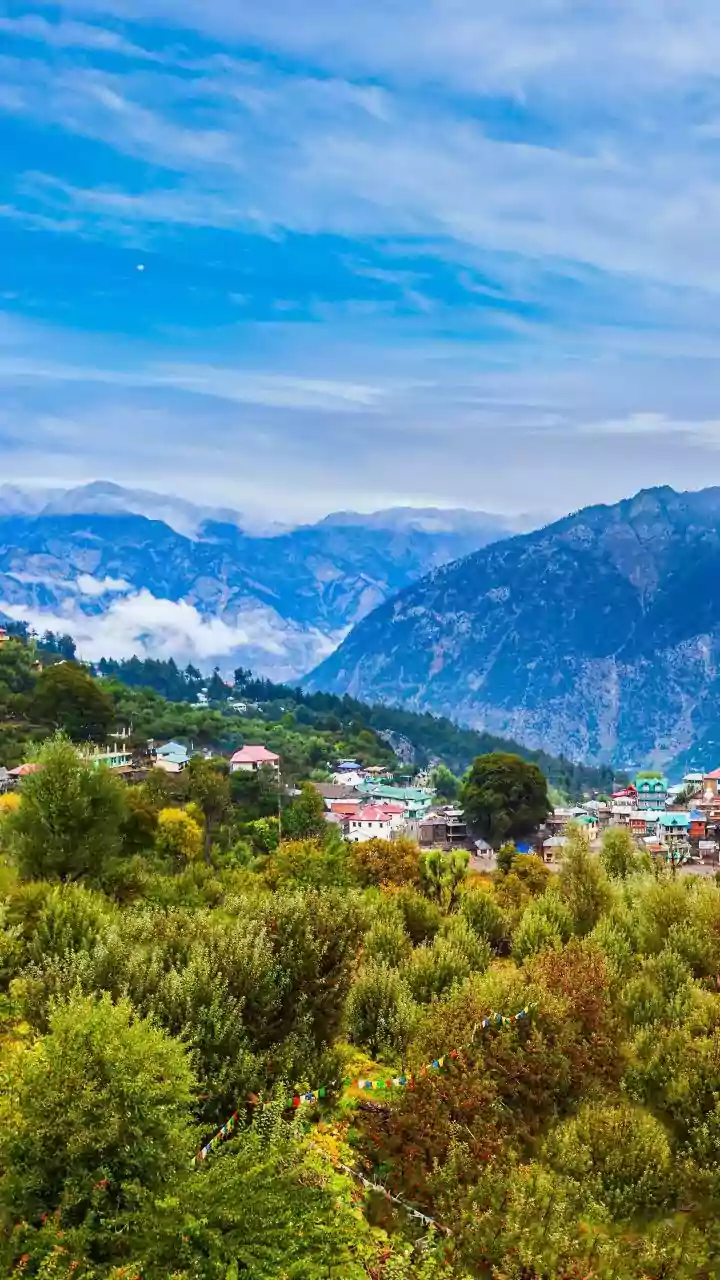
The sweet spot for Himalayan views generally falls between late September and the end of November. October is often considered the peak month, offering a perfect balance of clear skies and comfortable, stable weather. During this time, the lush greenery left behind by the monsoon provides a stunning contrast to the newly snow-dusted peaks above. As November progresses, temperatures drop, especially at night, and the landscape transitions from green to shades of gold and amber. This later part of autumn can bring the first significant snows of the season to higher altitudes, creating a magical, early-winter feel for trekkers on certain routes.
Where to Witness the Spectacle
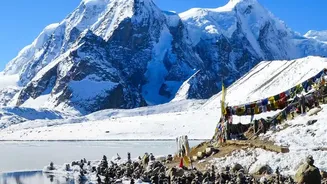
Several spots across the Indian Himalayas become prime viewpoints during autumn. In Uttarakhand, hill stations like Nainital, Mussoorie, and Ranikhet offer breathtaking vistas of the Garhwal range. Treks to places like Chopta, Kuari Pass, and Dayara Bugyal are famous for their panoramic rewards during this season, with clear sightlines to major peaks like Nanda Devi and Chaukhamba. Further east, Darjeeling in West Bengal provides its iconic view of Kanchenjunga, often most reliably seen on crisp October and November mornings. In Sikkim, routes towards the Yumthang Valley and Goecha La open up, offering travellers a chance to see the landscape transform before winter sets in.
A Photographer's Dream Season
For photographers, autumn is the undisputed champion season. The combination of clean air, dramatic light, and vibrant landscapes creates unparalleled opportunities. Sunrises and sunsets are particularly spectacular, casting a warm, golden glow on the snow-covered peaks. The clarity means that even with a simple camera, it is possible to capture details on distant mountains that would be lost in the haze of other seasons. The transparent air also makes autumn the best time for astrophotography, with star-filled skies appearing incredibly bright and clear over the mountain silhouettes. For those looking to capture the contrast of autumn colours, the golden foliage of poplar and willow trees in regions like Leh and the fiery red chinar trees in Kashmir provide a stunning foreground to the stark, snow-capped mountains.
Planning Your Autumn Trip
While the views are magnificent, autumn weather in the Himalayas is famously deceptive. Days can be gloriously warm in the sun, but temperatures can plummet the moment it dips behind a ridge. The key to a comfortable trip is layering. A three-layer system—a thermal base layer, an insulating fleece, and a windproof outer shell—allows you to adapt to changing conditions. Because of the clear skies, UV radiation is also intense, so sunglasses, a hat, and sunscreen are essential. While trails are generally drier and more stable than during the monsoon, mountain weather is always unpredictable, so it is wise to travel with experienced guides, especially on high-altitude treks.