


Choose Monsoon-Happy Herbs
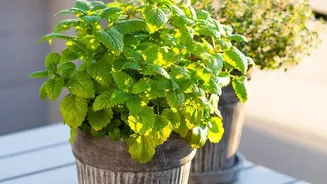
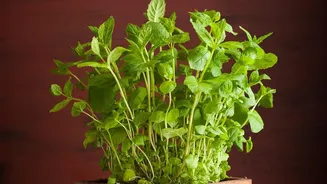
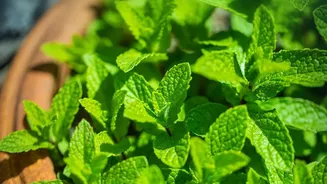
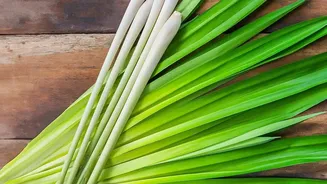
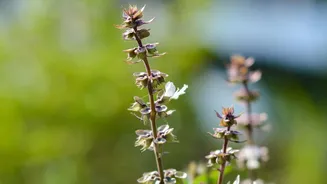
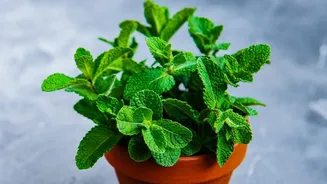
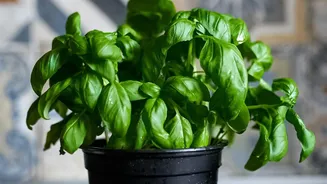
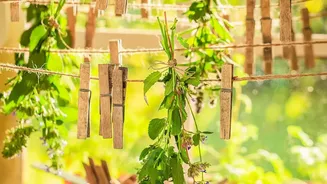
Not all herbs enjoy the constant dampness of the monsoon. The key is to select varieties that flourish in high humidity and cooler weather. Tulsi (Holy Basil) is a monsoon champion, growing vigorously and valued for its medicinal properties. Mint (Pudina)
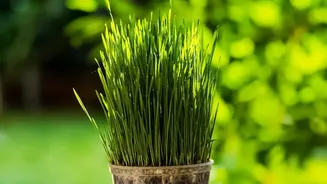
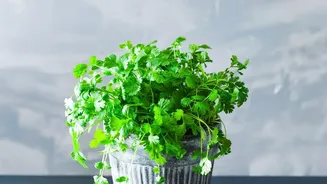
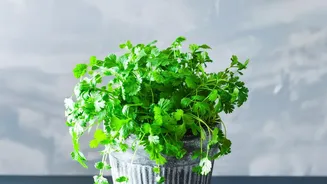
also loves the rain, but be sure to keep it in a separate pot as it spreads aggressively. Other excellent choices include Coriander (Dhaniya), which grows well in cool, moist conditions, and Curry Leaves, which produce fresh, new leaves during this season. These herbs are not only easy to grow but are also staples in Indian kitchens, providing a fresh supply for your daily cooking.
Prioritise Drainage Above All
The single biggest threat to your balcony garden during the rains is waterlogging. Excess water suffocates roots, leading to root rot. Start by choosing pots with plenty of drainage holes. Before planting, ensure these holes are clear and not blocked. A simple but highly effective trick is to elevate your pots using plant stands, bricks, or small risers. This small gap allows excess water to escape freely and prevents your plants from sitting in puddles after a heavy downpour. Terracotta pots are a good choice as they are porous and allow soil to breathe, further reducing the risk of waterlogged roots.
Craft the Perfect Potting Mix
Store-bought soil can sometimes be too dense for the rainy season. Creating your own well-draining potting mix gives you control and ensures your herbs get the aeration they need. A reliable recipe is a balanced mix of compost, coco-peat (or coco coir), and perlite. Compost provides essential nutrients. Coco-peat helps retain some moisture without becoming waterlogged, and perlite, the small white volcanic rocks, creates air pockets in the soil, which is crucial for root health and allows excess water to drain away quickly. This combination creates a light, airy medium that prevents soil compaction and keeps roots healthy and oxygenated.
Rethink Your Watering Schedule
It may seem counterintuitive, but you still need to monitor your plants' water needs during the monsoon. Don't stick to a rigid schedule. The combination of rainfall and high humidity means the soil will stay moist for much longer. Before watering, always check the soil. The easiest way is the finger test: insert your finger about an inch into the soil. If it feels dry, it's time to water. If it feels moist, hold off. Overwatering is a common mistake and one of the primary reasons plants struggle during this season. Let the soil guide you.
Guard Against Pests and Diseases
High humidity and moisture create a breeding ground for pests and fungal diseases. Slugs, snails, and aphids are common monsoon visitors. Powdery mildew, a white fungal growth on leaves, is also prevalent. Regular inspection is your best defence. Check under leaves and around new shoots. To combat these issues organically, a simple spray made of neem oil, a few drops of liquid soap, and water can be very effective. Ensuring good air circulation by not overcrowding your pots can also significantly reduce the risk of fungal infections.
Prune and Harvest Regularly
Regularly trimming your herbs is beneficial for several reasons. It encourages the plant to grow bushier and produce more leaves. For culinary herbs like basil and mint, frequent harvesting ensures a steady supply for your kitchen. More importantly, during the monsoon, pruning improves air circulation around the plant's leaves and stems. This helps the foliage dry faster after a rain, making it less susceptible to fungal diseases that thrive in damp conditions. Pinching off flowering tips, especially on tulsi and basil, directs the plant's energy into producing more leaves.