




The Backlash Against 'Catalogue-Perfect'
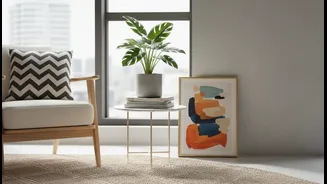
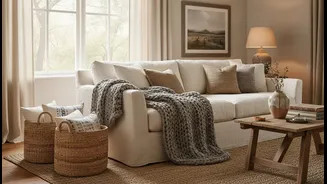
Scroll through social media and you’ll find an endless sea of rooms that look more like showrooms than actual homes. They are often defined by rigid symmetry, neutral palettes, and a distinct lack of personal clutter. This aesthetic, born from minimalism
and amplified by fast-decor trends, has created a standard of perfection that is both unattainable and, frankly, a bit soulless. Many designers and homeowners in India and abroad are now consciously moving away from this trend. There’s a growing feeling that these catalogue-perfect spaces, while beautiful, lack the warmth and character that make a house a home. They are designed to be looked at, not necessarily lived in. This reaction isn't about embracing mess, but about prioritizing authenticity over a staged, impersonal ideal.
What 'Lived-In' Really Means
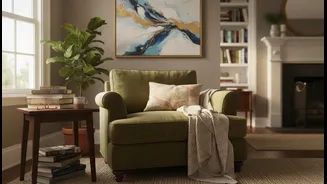
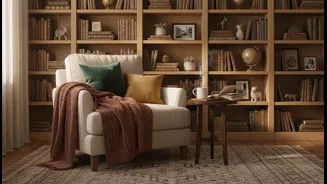
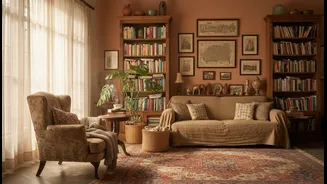
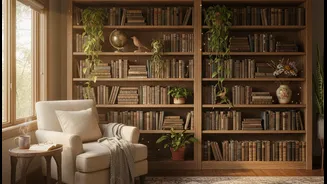
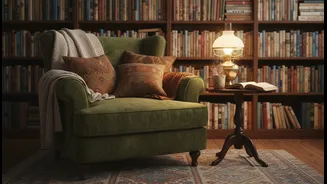
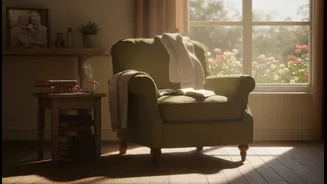
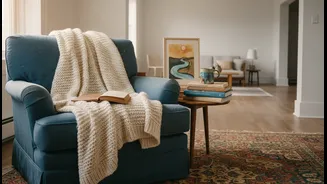
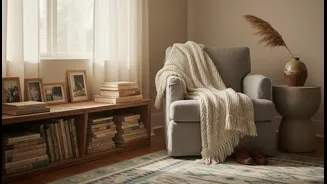
The term 'lived-in' isn't a license for chaos. Instead, it describes a space that is curated with care, but the curation is personal. It's about creating a home that reflects your life, your experiences, and your personality. This style mixes old with new, embraces imperfections, and layers textures and objects over time. A lived-in interior tells a story. That story might be found in a worn leather armchair, a stack of books you actually read, travel souvenirs, or framed art made by your children. The key difference is intentionality; every object has earned its place because it holds meaning or serves a purpose, not just because it matches the colour scheme. It’s a design philosophy built from memory, not trends.
The Power of Personal Objects
Our homes are extensions of ourselves, and the objects we choose to display are silent storytellers. Displaying items with sentimental value creates a powerful sense of connection and nostalgia. A framed handwritten recipe from your grandmother, a ticket stub from a memorable concert, or a rug bought from a market during your travels can evoke positive emotions and ground you in your own history. Psychologically, these items provide comfort and a sense of belonging. They are tangible links to cherished memories, people, and places. In a world that often feels fast and disposable, surrounding ourselves with things that have a past and a personal significance adds a layer of depth and soul to our environment that no new, mass-produced item ever could.
Moving Beyond Symmetrical Serenity
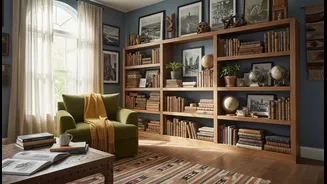
Symmetry is a foundational principle of design for a reason: it creates a sense of order, balance, and calm. But when applied too rigidly, it can lead to spaces that feel static, formal, and predictable. A perfectly mirrored living room, with identical lamps on identical end tables flanking a sofa, can look beautiful but feel unapproachable. The lived-in approach prefers balance over strict symmetry. It finds beauty in imperfection and character in asymmetry. A slightly askew rug, a gallery wall with frames of different sizes, or a single, striking armchair can break the monotony and add visual interest. These small irregularities are what make a space feel human and dynamic, inviting you to relax rather than worry about disturbing the perfect arrangement.
How to Cultivate a Home with History
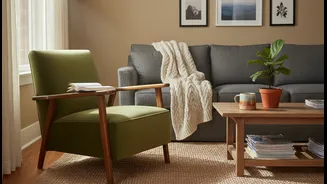
Creating a lived-in home is a slow, evolving process, not a weekend project. Start by showcasing what you already own and love. Display collections, frame personal photos and children's artwork, and don't be afraid to mix vintage finds with modern pieces. Choose meaning over matching. Instead of asking if an object 'goes' with your decor, ask if it 'goes' with your life. Layering is key—combine different textures like wood, linen, and wool to add warmth and depth. Finally, be patient. A home that is rich with memory is built over time, reflecting the rhythm and changes of your life. It’s a space that grows with you, becoming more uniquely yours with each passing year.