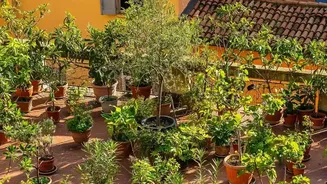





As autumn chills the air, have you noticed your once-thriving balcony garden looking a little sad? The culprit isn't just the cold; it's the sun. A lower sun angle in winter fundamentally changes the light your plants receive.
The Winter Sun Illusion
During winter, the days are
shorter, but the bigger problem for your plants is the sun's position in the sky. It follows a much lower arc, rising later and setting earlier. In summer, the sun is high overhead, beaming down energy. In winter, that same sun sits low on the horizon, casting long shadows and delivering weaker, more indirect light. This means even a south-facing balcony that was a sun-drenched paradise in July might receive only a few hours of direct light in December, starving your plants of the energy they need for photosynthesis.
A Game of Angles and Energy
Photosynthesis is how plants convert sunlight into food. While some might think brighter is always better, the process is more complex. It's the duration and quality of light that matter most. When sunlight strikes the Earth at a low angle, its rays travel through more of the atmosphere, which scatters and absorbs some of its energy. The light that reaches your balcony is less intense and has a different spectral quality than the strong, direct light of summer. For plants that have spent months adapting to high-energy summer sun, this sudden drop in available light can trigger a state of shock, leading to yellowing leaves, spindly growth, and a general failure to thrive. They simply can't produce enough food to maintain their lush, summer forms.
The Urban Canyon Effect
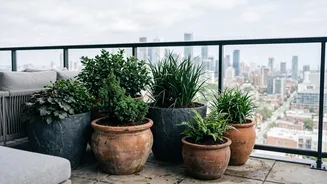
In an urban apartment setting, this problem is magnified. Your balcony is likely surrounded by other buildings, and the low winter sun means these structures cast much longer shadows than they do in summer. A neighboring building that was a non-issue in June might suddenly block your balcony's direct sun for most of the day in winter. This 'urban canyon' effect can reduce your already limited sunlight from a few hours to almost none. Unlike natural shade from a tree, which allows some dappled light to filter through, a building's shadow is complete, creating a light desert where sun-loving plants struggle to survive.
Planning the Great Plant Migration
The solution is to move your plants to where the light is: indoors. Most homes have significantly less light than an outdoor space, even a shady one, so this move requires a strategy. Don't wait until the first frost. When nighttime temperatures consistently dip below 10–12°C, it's time to begin the transition. The key is to acclimate your plants gradually. Shocking them with a sudden move from a cool balcony to a warm, dry living room can be just as stressful as leaving them in the cold. Start by bringing them inside for a few hours a day, gradually increasing their indoor time over a week or two. This gives them a chance to adjust to the changes in temperature, humidity, and light levels.
An Indoor Winter Checklist
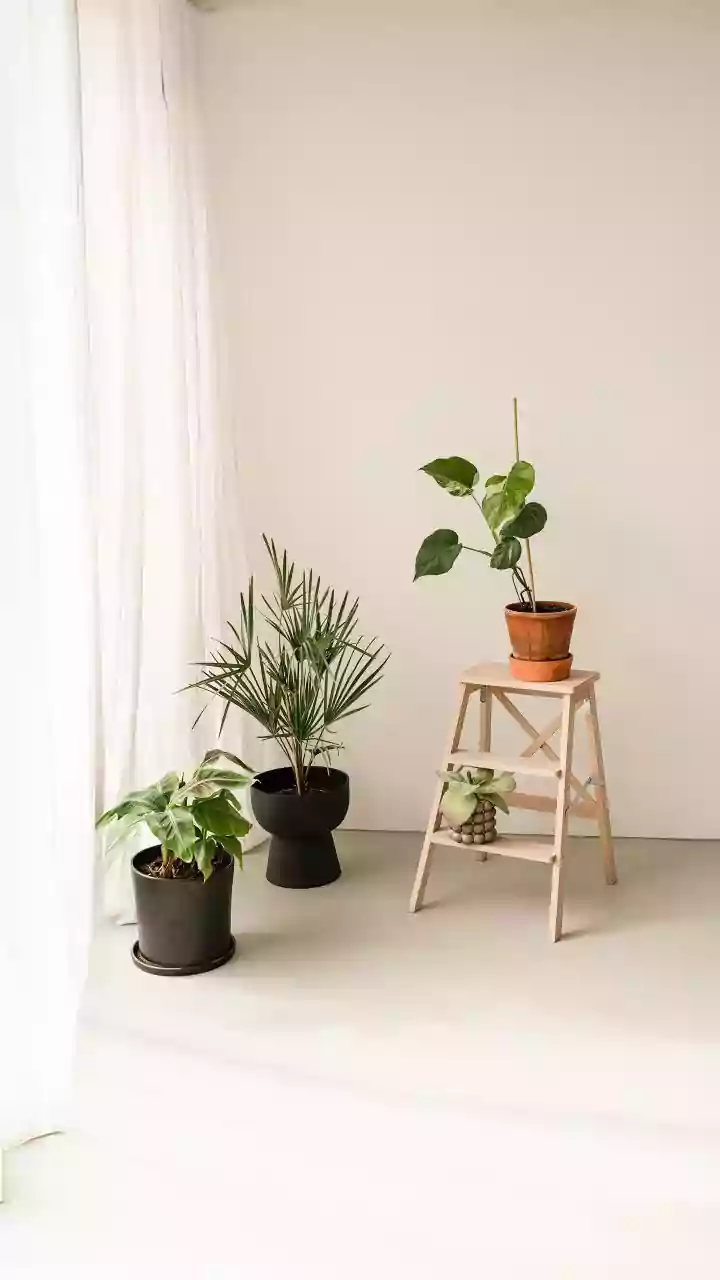
Before their final move, give your plants a thorough checkup. Inspect leaves, stems, and the topsoil for any pests like aphids, spider mites, or mealybugs that may have hitched a ride. A gentle spraydown with a hose or a treatment with insecticidal soap can prevent an indoor infestation. Once inside, place your plants in the brightest spot you can find, typically near a south or west facing window. Remember that even your sunniest windowsill provides less intense light than the outdoors. You will also need to adjust your watering routine. Indoor heating makes the air dry, but plants grow slower in lower light and need less water. Water only when the top inch of soil feels dry. It is normal for plants to drop some leaves as they acclimate; this is a sign they are adjusting to their new, cozier winter home.