






The Power of the Humble Beetroot
At the heart of the conversation about beetroot and athletic performance is a molecule called inorganic nitrate. Found in abundance in beetroot and other leafy green vegetables, dietary nitrate is the key ingredient that sparks a powerful chain reaction
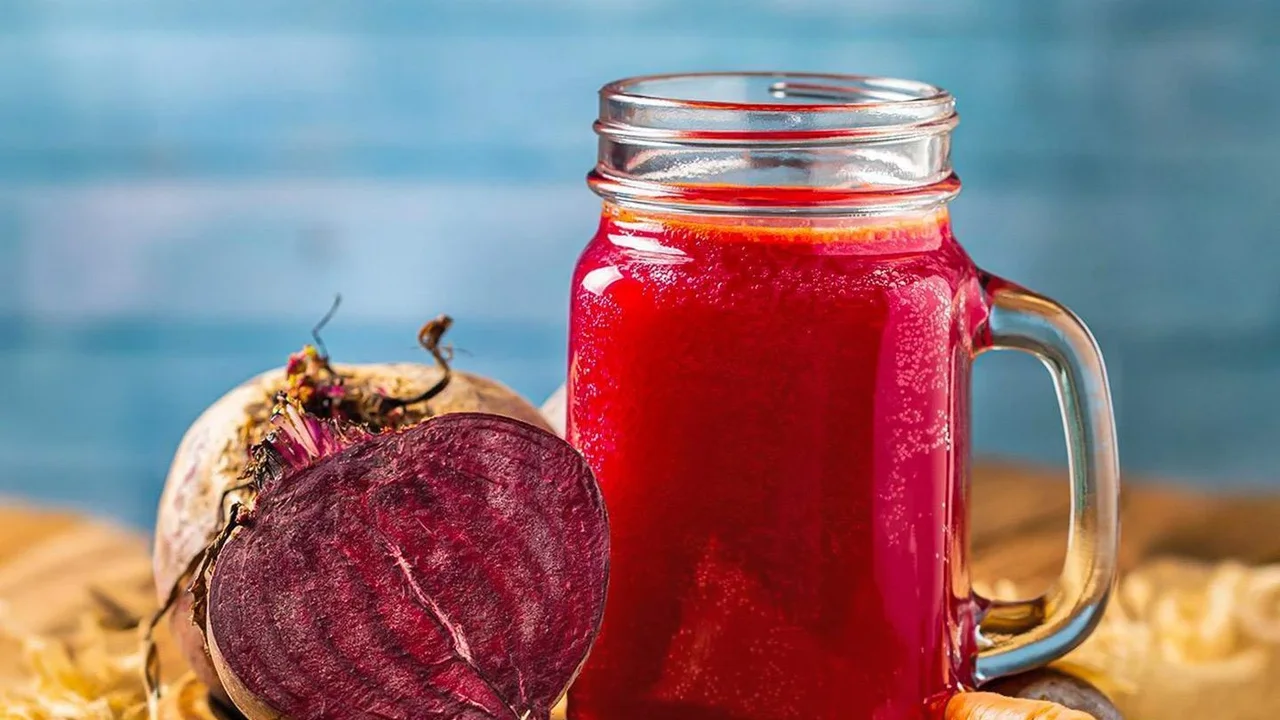
in the body. When you consume nitrate-rich foods like beetroot juice, bacteria in your mouth get to work, converting the nitrate (NO3−) into nitrite (NO2−). This nitrite then travels through your bloodstream, where it is converted into nitric oxide (NO), a crucial signaling molecule that has a profound impact on your body's plumbing. This natural conversion process is the foundation of beetroot's ergogenic, or performance-enhancing, effects.
From Vegetable to Vasodilator
The star of this show is nitric oxide. It acts as a potent vasodilator, which is a scientific way of saying it relaxes and widens your blood vessels. Think of it like upgrading narrow country lanes to wide, free-flowing motorways. This widening allows more oxygen-rich blood to be delivered to your working muscles, more efficiently. For an athlete, better oxygen delivery is a significant advantage. It can improve the efficiency of your mitochondria—the powerhouses of your cells—allowing them to produce the same amount of energy while consuming less oxygen. This enhanced efficiency is a game-changer, particularly in sports where every ounce of oxygen counts.
The Sprinting Advantage
While much of the early research on beetroot juice focused on endurance events, newer studies have explored its benefits for short, high-intensity efforts like sprinting. The theory is that by improving blood flow and muscle contractile function, particularly in fast-twitch muscle fibers, nitrate can enhance power and speed. Some research has shown that nitrate supplementation can improve peak power output in cycling sprints. A 2022 study also found it improved mean power output in the final 30 seconds of an end-sprint after a prolonged cycling session. However, the evidence is not universally conclusive. Several studies, including a recent one on trained male sprinters, found no significant improvement in 60m or 100m sprint times after a single dose of beetroot juice. This suggests that while the physiological mechanism is plausible, its real-world effect on pure sprinting performance might vary based on the athlete, the specific sport, and the dosing protocol.
What Does a 'Micro-Dose' Mean?
The headline's term "micro-dosing" might be better understood as precise, targeted dosing. The goal isn't to flood your system, but to hit a scientifically supported target. Research consistently shows that the effective dose for performance benefits is between 300-600 mg of nitrate. This typically translates to about 500ml of standard beetroot juice or one to two concentrated 70ml shots. Consuming more than this doesn't appear to offer additional benefits and may increase the risk of an upset stomach. For the effects to peak at the right time, this dose should be consumed about 2-3 hours before your sprint session or competition. This window gives your body enough time to complete the nitrate-to-nitric-oxide conversion process, ensuring the vasodilator is available when your muscles need it most.
Is It Right for You?
Beetroot juice is a natural, food-based supplement, but there are a few things to consider. The most common side effect is beeturia—a harmless but sometimes alarming pink or red tint to your urine and stools. Some people may also experience gastrointestinal discomfort, especially with higher doses. Athletes looking to combine it with other supplements like caffeine should stagger their intake; for example, taking beetroot juice 2-3 hours before an event and caffeine about an hour before. It is also worth noting that a portion of the population, perhaps 15-20% of runners, may be genetic non-responders who don't experience a performance benefit. As with any change to your nutrition or supplement routine, it's wise to test it during training rather than debuting it on race day.