



More Than a Drink, It's a Ritual
In India, tea is not just a beverage; it is a cultural institution. It’s the default offering to any guest, a punctuation mark in the workday, and a constant companion during long train journeys. Across the country, the act of making and sharing tea is a language
of care, often appearing without words to soothe, celebrate, or bridge a silence. This daily ritual, whether it's a simple cup at home or a 'cutting chai' from a street vendor, is deeply woven into the social and emotional fabric of the nation. Historically, while introduced commercially during the British era, Indians transformed tea into 'masala chai' by adding milk, sugar, and an array of spices, making it uniquely their own. This adaptation turned a colonial commodity into a symbol of community and comfort that remains central to Indian identity.
The Traditional Health Halo of Chai
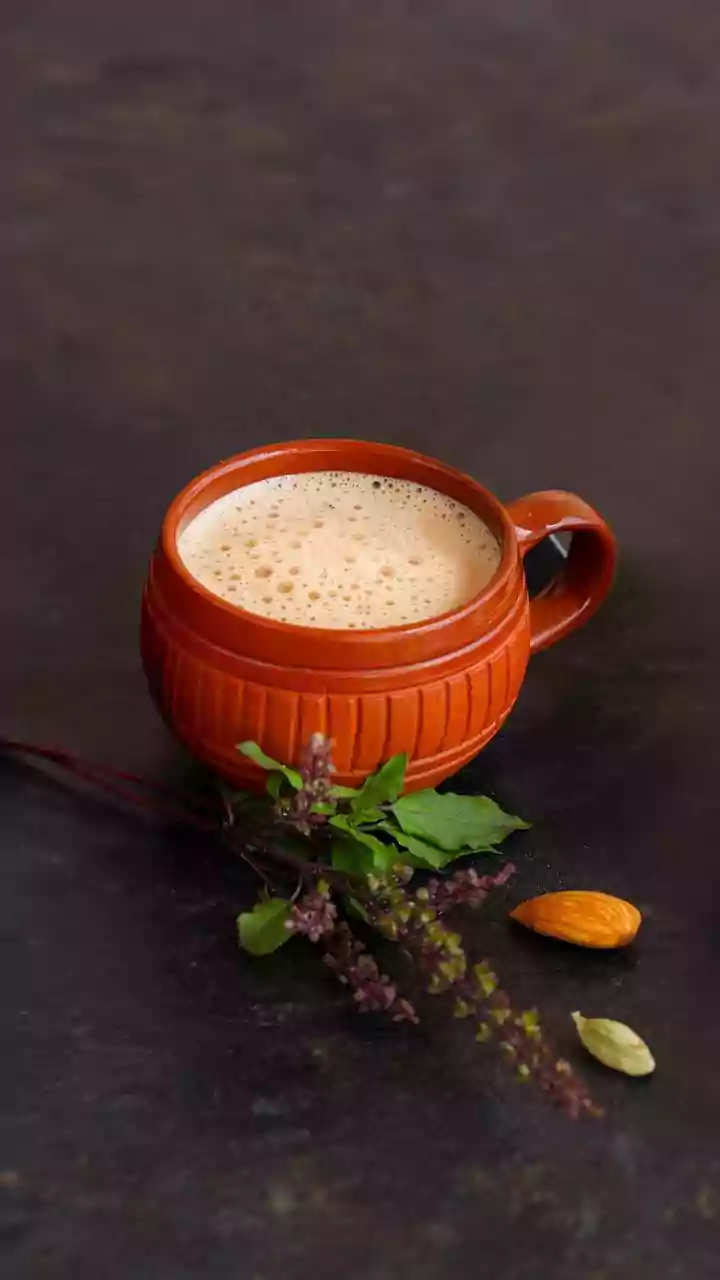
For generations, masala chai has been viewed as more than just a pick-me-up; it's considered a home remedy. The blend of spices commonly used is rooted in Ayurvedic principles. Ginger is known to aid digestion and fight inflammation. Cardamom can help with bloating, while cinnamon has been linked to regulating blood pressure and blood sugar levels. Cloves possess antibacterial properties, and the base of black tea itself is rich in antioxidants like flavonoids, which are associated with improved heart health. These ingredients work together, creating a brew that is traditionally believed to boost immunity, improve digestion, and provide a sense of overall well-being. This perception of chai as a healthful tonic is a significant part of its enduring appeal.
The Modern Reconsideration
Despite its traditional health benefits, the way most Indians consume chai is now being viewed through a modern nutritional lens. The primary concerns revolve around two key additions: sugar and milk. Excessive sugar intake is a well-known risk factor for weight gain, insulin resistance, and other chronic health issues. When multiple cups of sweet chai are consumed daily, the sugar adds up quickly. Furthermore, nutritionists point out that adding milk, especially whole milk, increases the calorie and saturated fat content. There is also evidence that milk can interfere with the body's absorption of beneficial antioxidants from the tea. Another aspect is caffeine. While chai has less caffeine than coffee, frequent consumption can still lead to dependence, disrupted sleep, and acidity, especially when drunk on an empty stomach. Recent guidelines from the Indian Council of Medical Research (ICMR) even advise avoiding tea around mealtimes to prevent tannins from hindering iron absorption.
Adapting the Ritual, Not Abandoning It
The good news is that Indians are not breaking up with their beloved chai. Instead, a wave of mindful adaptation is taking place. Many households are making simple, healthier swaps without sacrificing the ritual itself. Refined sugar is being replaced with jaggery or honey, or simply reduced. Some are switching to low-fat or plant-based milks like almond or oat milk to cut down on calories and fat. Others are rediscovering the joy of drinking tea without milk, which some studies suggest improves blood circulation and reduces health risks. The focus is shifting from mindless consumption to intentional enjoyment. This involves being aware of the number of cups consumed, avoiding tea late at night, and not drinking it on an empty stomach to prevent acidity. The core experience of a warm, spiced beverage remains, but it's being tailored to fit a healthier lifestyle.