



Ditch Cotton, Embrace Synthetics
The single most important rule of monsoon packing is to leave your cotton clothes at home. Cotton, including your favourite t-shirts and trusty jeans, absorbs a massive amount of water and takes forever to dry. This not only leaves you feeling damp and cold
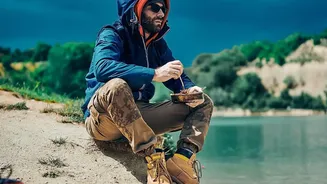
but can also lead to chafing and skin issues. Instead, build your wardrobe around synthetic, quick-dry fabrics like nylon and polyester. Pack two or three quick-dry t-shirts and a pair of lightweight trekking pants. These materials wick moisture away from your skin, dry quickly even in high humidity, and keep you comfortable whether you’re caught in a downpour or just sweating on a trail.
Choose the Right Rainwear
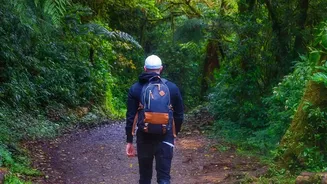
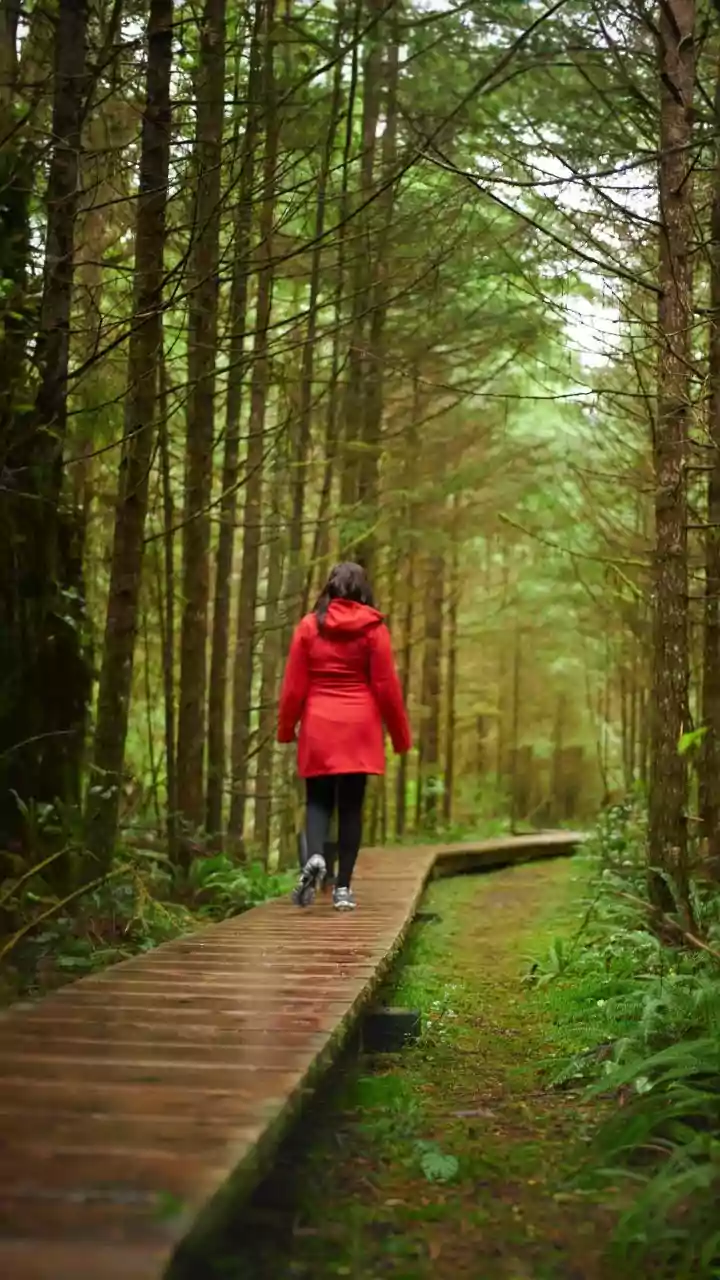
Your first line of defence against the rain is a good outer layer. You have two main choices: a classic raincoat or a poncho. A rain jacket and pants offer better mobility and a snug fit, making them ideal for more active treks. Look for options that are not just waterproof but also breathable, which allows sweat to escape so you don't feel clammy from the inside. A poncho is a great, often more affordable, alternative that can be quickly thrown on over both you and your backpack, offering excellent airflow. For a weekend trip, a lightweight, foldable poncho is often sufficient and easy to pack.
Footwear for Grip and Drainage
Soggy shoes are a surefire way to ruin an adventure. Leather and canvas shoes are out; they get waterlogged and can take days to dry. Your best bet is a pair of waterproof sandals or floaters with a strong grip and secure straps. These are perfect for walking through puddles and on muddy paths, as they drain quickly and are easy to clean. If your plans involve more serious trekking, invest in a pair of water-resistant trekking shoes that prioritise breathability and drainage over complete waterproofing, as even the best waterproof boots can fill with water from the top. Also, pack a few pairs of synthetic or waterproof socks, as they protect your feet from leeches and prevent blisters.
Waterproof Your World
Assume everything has the potential to get wet. The most crucial item is a waterproof backpack or a reliable rain cover for your existing bag. This protects the bulk of your belongings. But don't stop there; internal waterproofing is just as important. Use dry bags or even simple zip-lock plastic bags to compartmentalise your essentials. Keep a separate bag for your electronics (phone, power bank, camera), another for a dry set of clothes to change into at night, and one for your wallet and documents. It’s also wise to line the inside of your backpack with a large plastic bag as an extra layer of protection.
The Monsoon Health Kit
The rainy season can bring a few health challenges. Your medical kit should be tailored for monsoon conditions. An insect repellent is non-negotiable, as mosquitoes and other insects are rampant. Pack a basic first-aid kit with antiseptic wipes, bandages, and medication for common ailments like colds, fevers, and stomach issues. Due to the constant dampness, fungal infections can be a concern, so an anti-fungal powder is a good addition. A hand sanitiser is also essential for maintaining hygiene when you're on the go.
Don't Forget These Extras
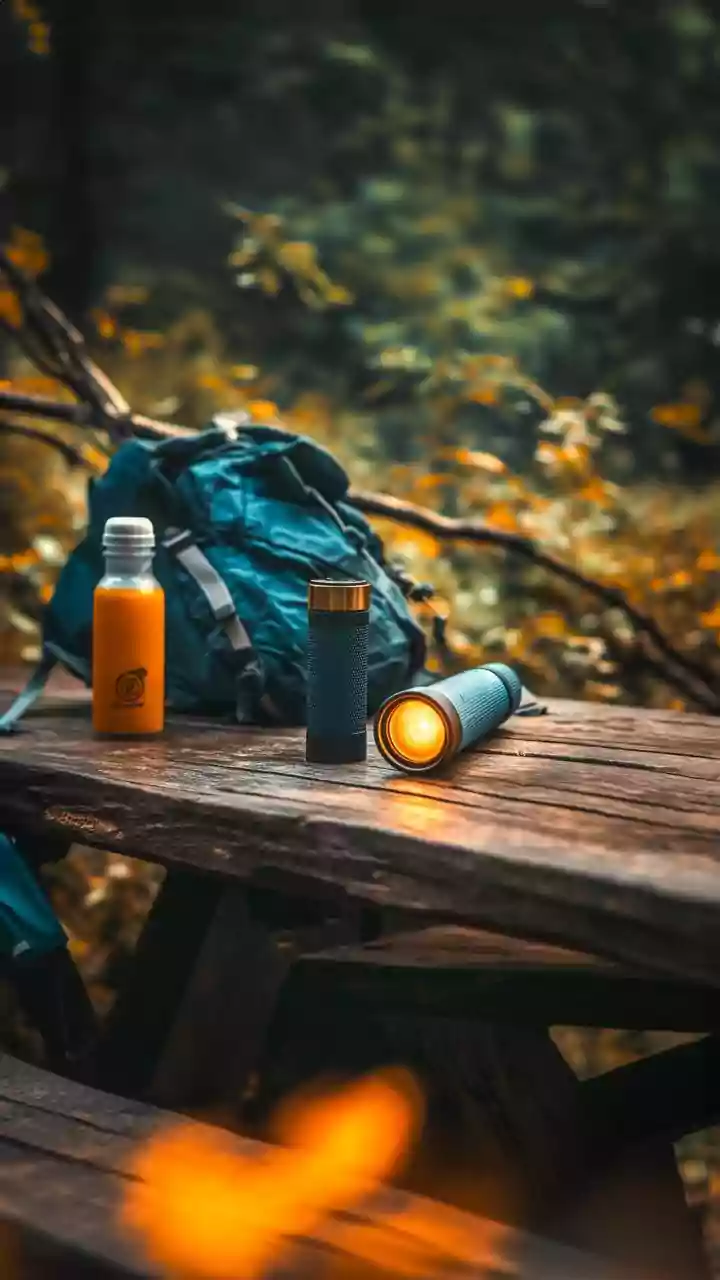
A few small items can make a big difference. Pack a power bank, as power cuts can be more frequent during the monsoon. A small, quick-drying microfibre towel is far more practical than a bulky cotton one. A headlamp or a small torch is useful for dimly lit hotel rooms or any unexpected night-time excursions. Finally, an umbrella is always handy for short dashes in the rain. A clever trick is to wear a sun cap under your raincoat's hood; the brim will keep rain from dripping onto your face and obscuring your vision.