



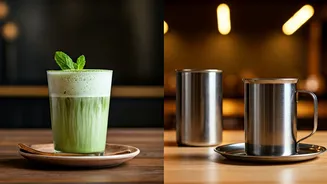


The Ritual in a Steel Tumbler
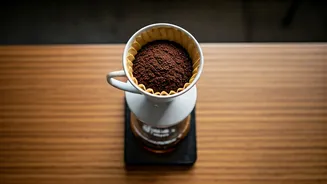
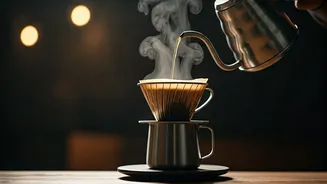
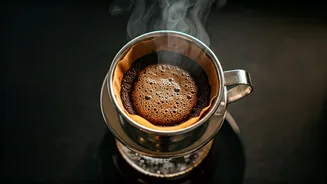
For the uninitiated, South Indian filter coffee is more than a beverage; it’s a ritual. [20] It begins with a specific piece of equipment: a two-chambered stainless steel filter. Finely ground coffee, often blended with chicory for body and a characteristic
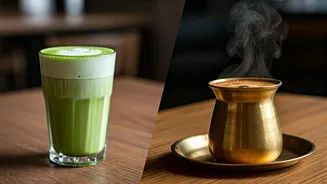
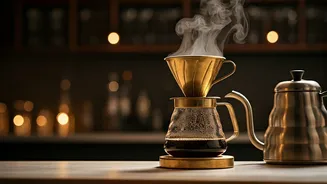
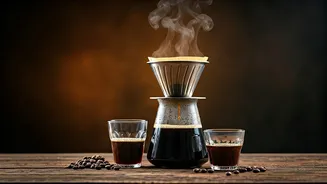
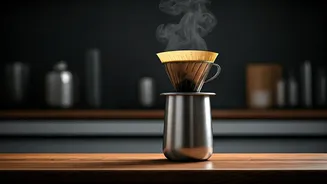
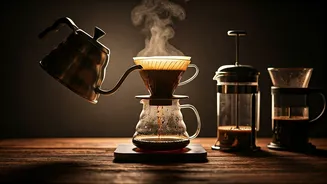
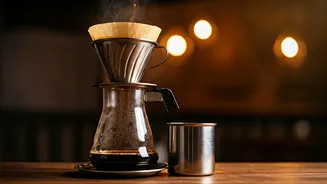
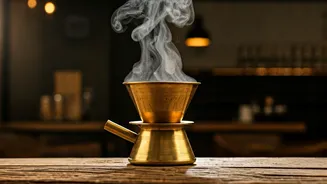
bitterness, is packed into the upper chamber. [17] Hot water is poured over, and gravity works its magic, allowing a thick, potent decoction to slowly drip into the container below. [17, 20] This patient process is the antithesis of a push-button espresso machine. [19] The resulting decoction is then mixed with hot, frothy milk and traditionally served in a ‘davara’ and tumbler, which are used to cool the coffee and create its signature frothy head. [20] This daily ceremony has been a cultural cornerstone in South Indian households for decades, a comforting and energising start to the day. [19, 22]
When Espresso Took the Spotlight
For a time, this traditional brew was overshadowed by a global wave of cafe culture. The arrival of international and domestic chains popularised cappuccinos, lattes, and Americanos, turning coffee into a social event rather than a morning necessity. [22] Especially for younger, urban Indians, the cafe became a default 'third place' for work, dates, and socialising, and espresso-based drinks were the beverage of choice. [6] Instant coffee had already primed the nation for speed and convenience, a direct contrast to the slow-drip filter method. [17] The perception of filter coffee became rooted in nostalgia and home life, while modern, 'cool' coffee was something you bought at a stylish cafe. [13, 22]
A Brewing Resurgence
Now, the pendulum is swinging back. The comeback isn't just happening in homes; it's a commercial trend. Major coffee chains like Third Wave Coffee Roasters and even Starbucks have added filter coffee to their menus, often giving it a modern twist like a jaggery-sweetened or iced version. [12, 13] Brands that once focused exclusively on Western-style brewing methods are now launching their own filter coffee blends and pour-over bags, recognising a lucrative market. [13] This resurgence is part of a larger boom in India's specialty coffee market, which was valued at over USD 3 Billion in 2025 and is projected to more than double by 2031. [2, 5] The growth is fuelled by a new generation of consumers, with millennials and Gen Z driving the demand for authentic, high-quality coffee experiences. [4, 7]
The Quest for Authenticity
So, why now? The comeback is driven by a broader cultural shift towards authenticity and heritage. [18] As consumers become more knowledgeable about coffee origins and brewing methods, many are looking for experiences rooted in Indian culture. [5, 18] Filter coffee fits this perfectly. It’s seen as an honest, craft-driven beverage without artificial flavourings. [18] For Gen Z and millennials, it's a way to connect with their roots while embracing a slower, more intentional form of consumption. [13] Furthermore, new-age brands are rebranding filter coffee, using premium, single-origin beans and modern packaging to appeal to a younger audience that values storytelling and sustainability. [13, 17] It has transformed from a simple household staple into a premium, cultural product that is now being appreciated for its unique flavour profile and rich history. [17]