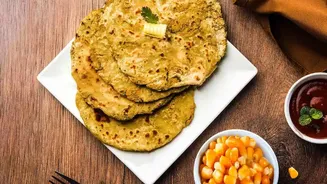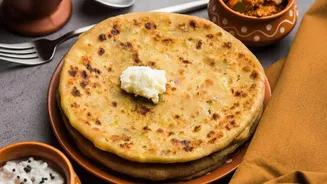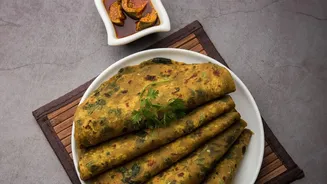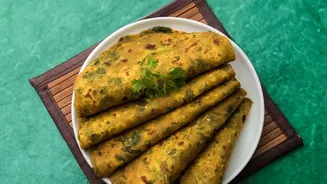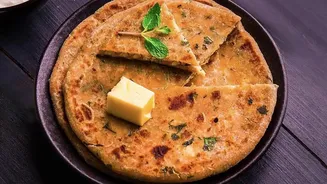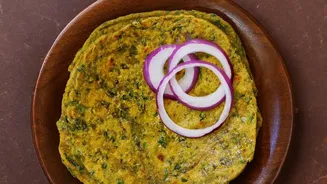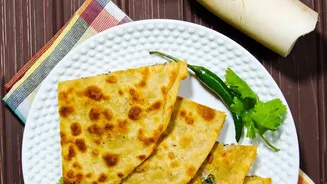

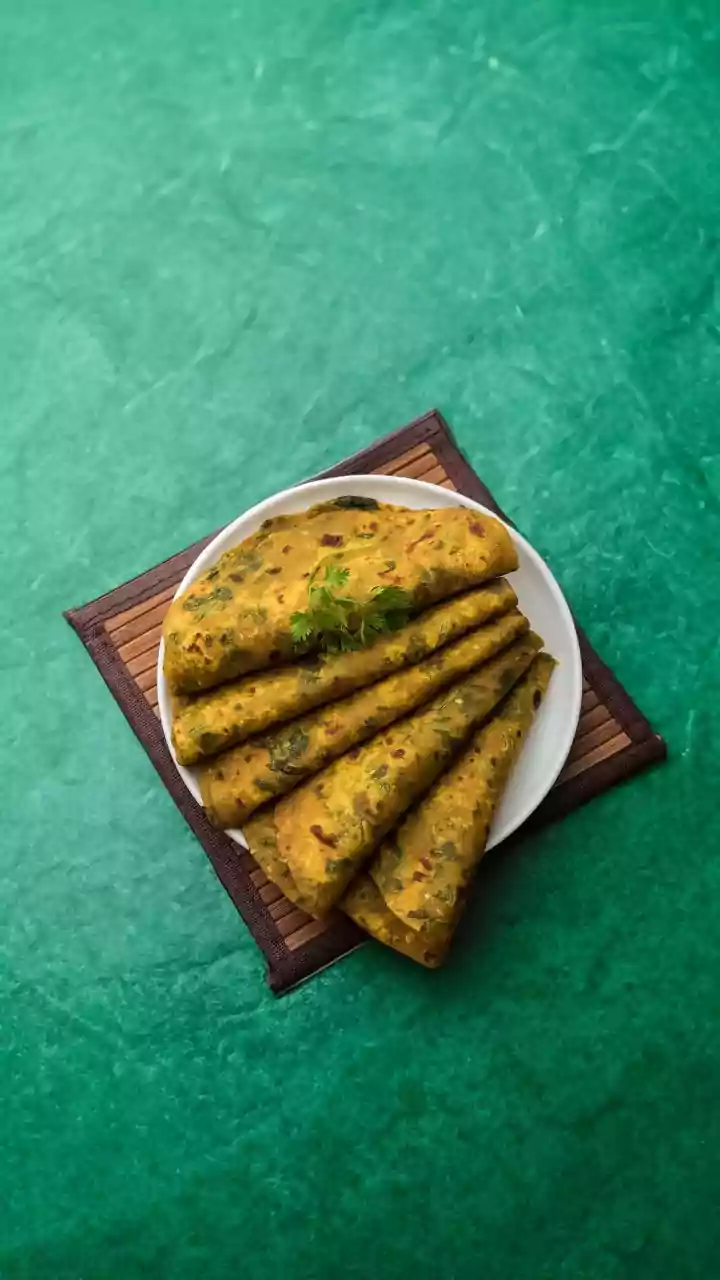




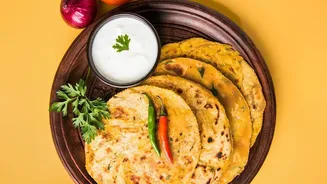

As winter mornings arrive with a familiar chill, the craving for a warm, comforting breakfast is universal. This Jowar Mooli Paratha is the perfect answer, swapping refined flours for the wholesome goodness of a traditional Indian millet.
Why Millets Are a Winter Must-Have
Millets like
jowar (sorghum), bajra (pearl millet), and ragi (finger millet) have been staples in Indian diets for centuries, especially during colder months. These ancient grains are experiencing a resurgence as people seek healthier, sustainable food choices. Millets are naturally warming, taking longer to digest and helping maintain body temperature. They provide sustained energy through complex carbohydrates, preventing the sluggishness that can accompany winter. Rich in fiber, protein, and essential minerals like iron and magnesium, they also help boost immunity when colds and flu are common. Being gluten-free, they are an excellent option for those with dietary sensitivities.
The Power Duo: Jowar and Mooli
This paratha combines two winter powerhouses: jowar and mooli (radish). Jowar is packed with protein, B vitamins, and antioxidants that reduce inflammation. Its high fiber content aids digestion, a common concern as activity levels drop in winter. It helps in the slow release of energy, keeping you full and active throughout the morning. Mooli, or radish, is a quintessential winter vegetable in India. It is rich in vitamin C and enzymes that aid detoxification and improve nutrient absorption. Its sharp, pungent flavour profile perfectly complements the earthy, slightly sweet taste of jowar, creating a balanced and delicious flatbread. Together, they form a nutritious partnership that supports immunity, digestion, and overall wellness during the cold season.
How to Make the Perfect Jowar Mooli Paratha
Working with gluten-free jowar flour can seem intimidating, as it lacks the elasticity of wheat. The key to soft, pliable parathas is using hot water and kneading the dough well. Here is a simple, no-fail recipe. Ingredients: - 1.5 cups Jowar (Sorghum) Flour - 1 cup grated Mooli (Radish) - 2-3 finely chopped Green Chillies - 1 tsp grated Ginger - 1 tsp Ajwain (Carom Seeds) - Chopped coriander leaves (optional) - Salt to taste - Hot water for kneading - Ghee or oil for cooking Method: 1. In a bowl, combine the grated mooli, green chillies, ginger, ajwain, coriander leaves, and salt. Add the jowar flour to this mixture. 2. Gradually add hot water and carefully mix, first with a spoon and then with your hands once it's cool enough to handle. 3. Knead the dough for 4-5 minutes until it becomes smooth and pliable. If it feels too dry, add a little more warm water. Let the dough rest for about 10 minutes. 4. Divide the dough into equal-sized balls. On a flat surface dusted with jowar flour, gently roll out each ball into a small circle, about 4-5 inches in diameter. You can also pat it out with your hands. 5. Heat a tawa (griddle) over medium heat. Place the paratha on the tawa. Cook for about a minute on one side before flipping. 6. Apply a little ghee or oil and cook both sides until golden-brown spots appear, pressing gently with a spatula to help it cook evenly. 7. Serve hot, straight off the tawa.
Serving Suggestions and Variations
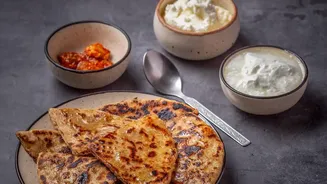
These Jowar Mooli Parathas are incredibly versatile. They are delicious on their own but can be paired beautifully with a bowl of plain curd (dahi) or a cooling raita, like a simple bathua (Chenopodium album) raita. The coolness of the yogurt balances the warmth of the paratha. A side of tangy pickle (achar) or a dollop of homemade white butter also elevates the meal, adding another layer of flavour. For a more substantial meal, serve the parathas with a simple vegetable curry or a hearty dal. You can also customize the paratha dough by adding other spices like turmeric or crushed coriander seeds, or even finely chopped methi (fenugreek) leaves for an extra nutritional boost.