








1. The Breeding Ground for Disease
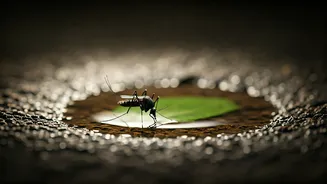
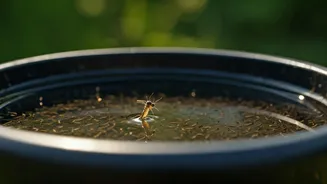
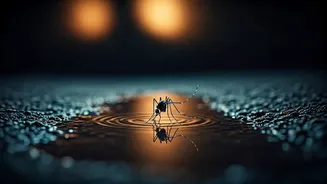
The most significant threat posed by small, stagnant water bodies in India is their role as prime breeding grounds for mosquitoes. The Aedes aegypti mosquito, the primary carrier for dengue, chikungunya, and Zika virus, can lay its eggs in as little as a spoonful
of water. A forgotten flower pot saucer, a discarded tyre, a clogged drain, or even the tray under your air cooler can become a mosquito nursery in less than a week. During the monsoon and post-monsoon seasons, urban and rural areas alike see a surge in these vector-borne diseases. What makes this risk so insidious is its scale. A single household with multiple, tiny breeding spots can contribute to a neighbourhood-wide outbreak. Public health officials consistently remind citizens that preventing dengue is not just about fogging, but about diligently eliminating these small water sources. The responsibility begins at home, with a simple weekly check.
2. The Silent Drowning Hazard
When we think of drowning, we often picture large pools or the sea. However, for toddlers and small children, a significant danger lies in much smaller bodies of water. According to the World Health Organization, drowning is a leading cause of unintentional injury death, and young children are particularly vulnerable. It can take less than two minutes and just a few inches of water for a tragedy to occur. Unattended buckets of water left over from mopping, open water storage drums in areas with intermittent supply, inflatable kiddie pools, and even large water-filled potholes at construction sites pose a grave risk. A child can trip and fall into a bucket headfirst and may not have the strength or coordination to get out. This makes it crucial to never leave water containers uncovered and to empty them immediately after use. The rule is simple: if it can hold water, it can be a danger.
3. The Risk of Contamination and Infection
Stagnant pools are not just a haven for mosquitoes; they are also breeding grounds for bacteria and other pathogens. Puddles formed from rainwater mixed with sewage overflow can be contaminated with dangerous bacteria, including those that cause leptospirosise—a serious and potentially fatal infection transmitted from animals to humans. Walking through contaminated water with even a small cut on your feet can lead to infection. Furthermore, improperly stored drinking water can become contaminated with bacteria leading to gastrointestinal illnesses like cholera and typhoid. Water stored for long periods without a secure lid can collect dust, debris, and animal droppings, compromising its safety. Ensuring that all stored water, whether for drinking or domestic use, is kept in clean, covered containers is a fundamental step in preventing these waterborne diseases.
4. The Hidden Electrical Shock Danger
Water and electricity are a deadly combination, and small pools of water can create unexpected electrical hazards. A puddle near a frayed extension cord, a waterlogged basement with active wiring, or water seeping into outdoor junction boxes can electrify the water and the surrounding area. This is a particularly high risk during the monsoon when unexpected leaks and flooding can bring water into contact with household wiring. Even desert coolers, a staple in many Indian homes, can pose a risk if not maintained properly. A leak that creates a pool of water around the cooler, combined with faulty wiring, can turn the appliance and the floor around it into a lethal hazard. Regularly inspecting wiring, ensuring proper grounding, and keeping electrical appliances and cords away from any potential water accumulation is essential for preventing devastating accidents.