



The Post-Monsoon Promise
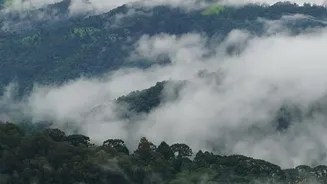
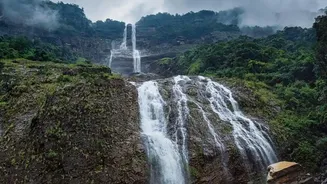
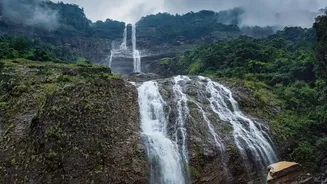
The period from September to November transforms the Western Ghats. The heavy rains subside, leaving behind a landscape that is lush, clean, and vibrant. Waterfalls, fed by the monsoon, are at their most spectacular, and the cool, crisp air is perfect
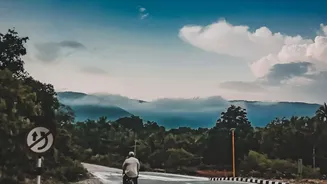
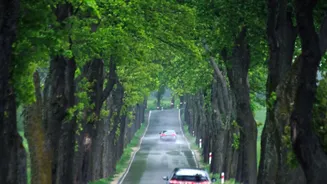
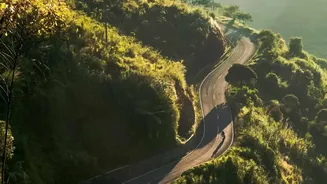
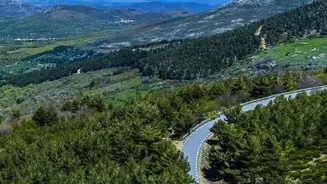
for exploring. The roads, winding through forests and valleys, become a key part of the experience, offering dramatic views that change with the shifting mist. It’s a season that rewards travellers with fewer crowds and the Ghats at their most atmospheric and photogenic.
Coorg: The Scotland of India
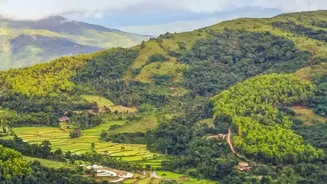
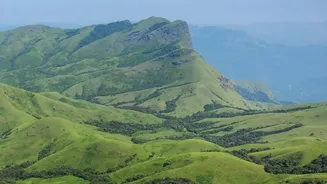
Often called the 'Scotland of India', Coorg (or Kodagu) in Karnataka is a landscape of rolling hills blanketed in coffee and spice plantations. After the rains, the plantations are a dazzling green, and the air is fragrant with the scent of wet earth and coffee blossoms. A road trip to Coorg, typically a 5-6 hour drive from Bengaluru, is an immersive journey into this unique Kodava culture. The post-monsoon months are ideal for driving through its narrow, winding roads, with misty mornings creating a cinematic feel.
Key Valley Views in Coorg
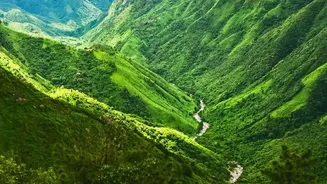
For the best valley views, head to Raja’s Seat in Madikeri, a spot historically favoured by the kings of Kodagu for watching sunsets. Post-monsoon, the valley below is often filled with a sea of clouds, making the hills look like floating islands. Another unmissable viewpoint is Mandalpatti, which requires a jeep ride through rugged terrain but rewards you with panoramic vistas of the Pushpagiri Wildlife Sanctuary. Other must-visits include Abbey Falls, which is thunderous after the rains, and a drive to Talacauvery, the serene source of the River Cauvery, for breathtaking mountain scenery.
Mahabaleshwar: Maharashtra’s Hilltop Queen
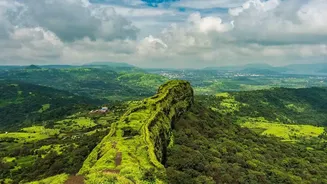
Situated in the Sahyadri range of Maharashtra, Mahabaleshwar was once the summer capital of the Bombay Presidency. It’s a classic hill station, easily accessible from Mumbai (5-6 hours) and Pune (3-4 hours). While famous for its strawberries, its post-monsoon avatar is all about dramatic valley views and mist-covered plateaus. The atmosphere is transformed as clouds drift across roads and viewpoints, offering scenes that change by the minute. The drive itself, especially the ghat sections, becomes an attraction with seasonal waterfalls appearing at the roadside.
Majestic Viewpoints in Mahabaleshwar
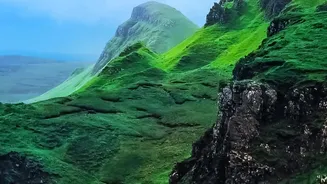
Mahabaleshwar boasts over thirty viewpoints, but a few are exceptional after the monsoon. Arthur's Seat, the 'Queen of Points', offers a stunning view of the deep Savitri Gorge, showcasing the contrast between the Konkan and Deccan regions. Elephant's Head Point gets its name from a natural rock formation and provides a panoramic vista of the surrounding Sahyadri ranges. For sunrise, Wilson Point is the highest spot in town, offering a 360-degree view. Kate's Point is another favourite, overlooking the serene Krishna Valley and the Dhom Dam.
Coorg vs. Mahabaleshwar: Which to Choose?
Your choice depends on the experience you seek. Coorg offers a more sprawling, rustic landscape dominated by plantations and a distinct local culture. It’s about slow drives, estate stays, and immersing yourself in nature. The views are of endless rolling hills and dense forests. Mahabaleshwar, on the other hand, is a more classic, concentrated hill station with dramatic cliff-edge viewpoints and deep valleys. It offers a wider range of established tourist points and is more focused on sightseeing. Mahabaleshwar's proximity to Mumbai and Pune makes it an ideal quick getaway, while Coorg rewards a slightly longer, more exploratory trip.