




The Unexpected Hill Station
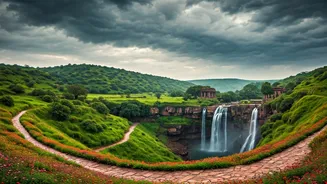
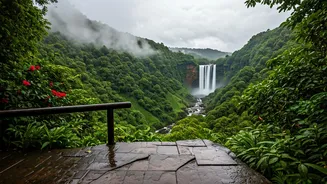
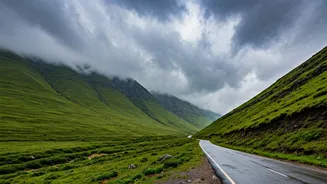
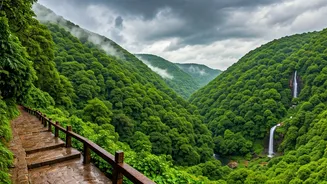
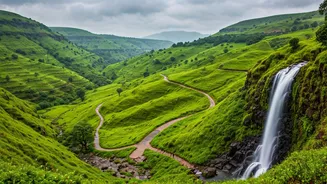
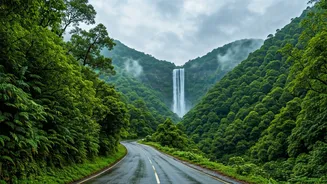
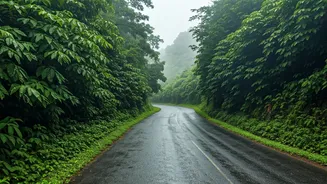
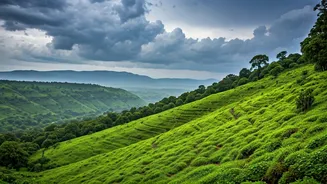
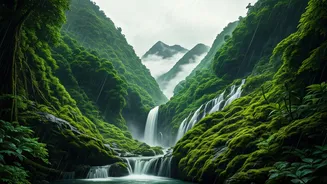
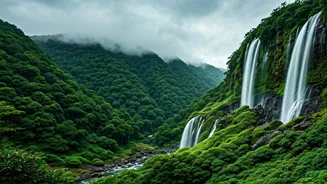
Tucked away in the Sahyadri mountains, Saputara is Gujarat’s only designated hill station, and it truly comes alive during the monsoon. From July to September, the landscape sheds its dry persona and dons a cloak of emerald green. The air becomes crisp,
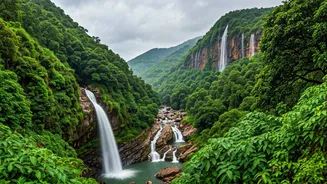
misty clouds roll through the valleys, and waterfalls like the majestic Gira Falls are in full, roaring glory. The annual Saputara Monsoon Festival, typically held around this time, adds another layer of vibrancy with cultural performances, food stalls, and adventure activities. Imagine boating on the serene Saputara Lake with a light drizzle for company or taking a ropeway ride for a panoramic view of the rain-washed hills. It offers the quintessential hill station experience, complete with hot tea and stunning vistas, yet remains an undiscovered gem for many.
A Desert Washed Anew
The Rann of Kutch in winter is famous for its vast, white salt desert. But the Rann in monsoon is a different, almost magical, entity. The heavy rains transform the salt flats into a massive, shallow inland sea. The cracked earth disappears beneath a shimmering sheet of water that mirrors the dramatic monsoon sky, creating a surreal landscape where the horizon blurs. This seasonal wetland becomes a haven for migratory birds, including thousands of flamingos, turning it into a paradise for birdwatchers. While the famous Rann Utsav is a winter affair, a monsoon visit offers a quieter, more profound experience of nature's transformative power. Driving towards Kalo Dungar, the highest point in Kutch, gives you panoramic views of this half-flooded desert, a sight few travellers get to witness.
Ancient Ruins Among Greenery
For those who love history and nature intertwined, Polo Forest near Vijaynagar is a revelation during the rains. Located in the Aravalli foothills, this sprawling forest becomes exceptionally lush, with the Harnav River flowing energetically. What makes Polo Forest unique are the 15th-century Hindu and Jain temple ruins scattered throughout its landscape. Trekking through the wet forest, you can stumble upon these ancient, moss-covered structures, creating a scene straight out of an adventure film. The rains lend a mysterious and serene atmosphere to the archaeological sites, making exploration feel like a true discovery. It’s an offbeat destination perfect for a day of trekking, photography, and soaking in the tranquil combination of heritage and nature.
The Hills Are Alive
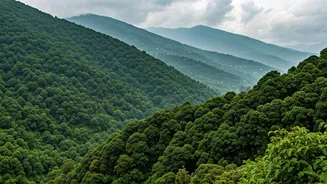
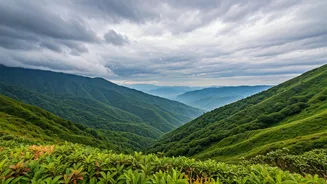
Beyond Saputara, Gujarat’s eastern and southern belts are dotted with smaller hills that turn into verdant wonderlands. Wilson Hills in Valsad district, for instance, is a densely forested area that offers breathtaking views of the surrounding valleys, often shrouded in mist. It’s one of the few hill stations in the world from which you can glimpse the sea on a clear day. Nearby waterfalls like the Shankar Waterfall come to life, offering picturesque spots for a monsoon picnic. The Dang district, where Saputara is located, is a treasure trove of tribal culture and natural beauty, with places like the Purna Wildlife Sanctuary and numerous unnamed waterfalls adding to the charm. These areas offer a quieter, more intimate monsoon experience away from the crowds.
Why It Deserves a Spot
Gujarat’s monsoon offerings are diverse, catering to every kind of traveller. You have the classic hill station retreat in Saputara, the mind-bending transformation of a desert in Kutch, the historical intrigue of Polo Forest, and the quiet charm of the Wilson Hills. The state’s excellent road network makes navigating these destinations relatively easy, and the famous Gujarati hospitality is ever-present. While the monsoon does bring the possibility of heavy rain and occasional flooding in low-lying areas, the primary tourist spots remain largely accessible and safe with proper planning. By overlooking Gujarat, travellers are missing out on a unique and enriching monsoon experience that is both beautiful and surprisingly diverse.