





An Unprecedented Order Book
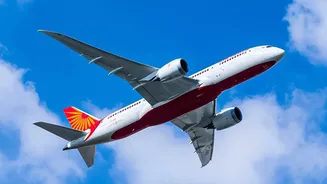
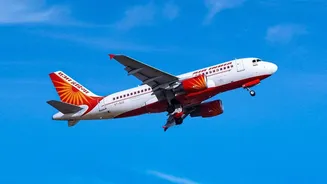
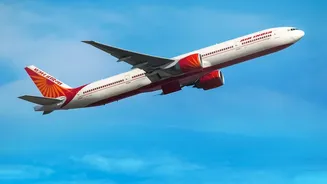
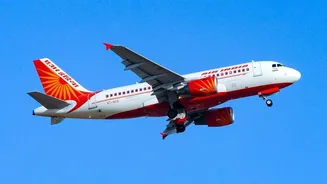
Indian carriers are betting big on the future. Airlines like IndiGo, Air India, and Akasa Air have placed historic orders for new planes. In 2023 alone, Air India finalised a deal for 470 aircraft from Airbus and Boeing, while IndiGo placed a record-breaking
order for 500 Airbus A320 family jets. In total, Indian airlines have more than 1,200 aircraft on order. However, this ambition is meeting a harsh reality. Union Commerce and Industry Minister Piyush Goyal recently stated that the country needs over 2,000 planes in total and is prepared to order another 1,000 to meet the burgeoning demand. This highlights the widening gap between the country’s needs and the number of planes actually entering service.
The Global Production Bottleneck
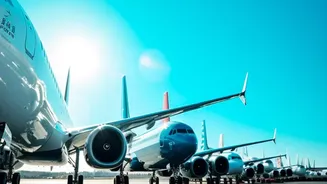
The problem isn't a lack of orders, but a global manufacturing squeeze. Major aircraft makers Airbus and Boeing are struggling with huge order backlogs from airlines worldwide. The disruption began during the COVID-19 pandemic when production slowed significantly. Now, manufacturers are contending with persistent supply chain issues, including shortages of raw materials, essential components, and skilled labor. This has a direct impact on India, with some deliveries for current orders not expected until as late as 2034, according to a Ministry of Civil Aviation statement. Civil Aviation Minister K Ram Mohan Naidu noted that while India has 1,700 planes on order, it could take up to 15 years for them to arrive due to these global disruptions.
Compounding Engine Troubles
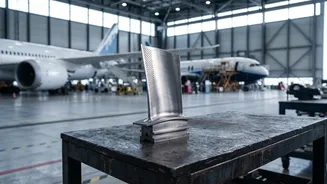
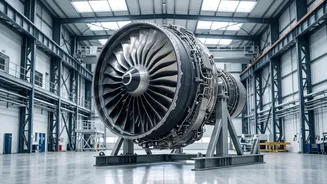
Beyond the manufacturing line, specific technical issues have exacerbated the shortage by grounding existing aircraft. Problems with Pratt & Whitney (P&W) engines have particularly affected Indian carriers. These issues, including powder metal contamination in some engine parts, have forced airlines like IndiGo to ground a significant number of their Airbus A320neo aircraft. In early 2025, over 130 aircraft, or nearly 16% of India's commercial fleet, were grounded due to these and other issues. While P&W has reportedly assured IndiGo it will replace faulty engines on dozens of planes by mid-2026, the problem has forced airlines to rely on expensive leased aircraft to maintain their schedules.
Government Seeks Solutions
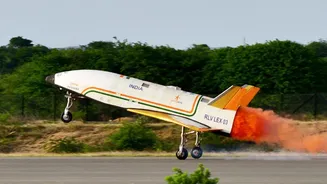
With airlines struggling for capacity, the Indian government is actively intervening. Officials are pursuing established manufacturers like Airbus and Boeing to expedite deliveries. Beyond pressing for faster imports, the government is also looking inward, championing domestic manufacturing under the 'Aatmanirbhar Bharat' initiative. This includes exploring joint ventures with global companies, such as a collaboration between Brazil's Embraer and Hindustan Aeronautics Limited (HAL), to produce aircraft in India. Additionally, the government is working to strengthen the aircraft leasing and financing ecosystem within India, as over 85% of the current fleet is leased. Measures are being considered to improve access to capital and streamline regulations to support fleet expansion.
What This Means for Fliers
For passengers, the aircraft shortage has a direct impact. With fewer planes available, airlines have less flexibility to launch new routes, increase the frequency of flights on popular corridors, or offer competitive alternatives. The capacity crunch threatens to constrain the growth that has made India one of the world's fastest-expanding aviation markets, with a projected fleet growth of 7.1% annually through 2036. While new airports are being built at a rapid pace, they risk being underutilised if airlines don't have the aircraft to service them. Ultimately, the race to get more planes into Indian skies will determine how quickly the benefits of a booming aviation sector—more choice, better connectivity, and potentially competitive fares—reach the everyday traveller.