





As temperatures drop, the battle against static, flyaway hair begins. That halo of frizz from a cozy scarf or beanie is a familiar winter woe. But what if the solution wasn't in a bottle, but in the simple tool you use to detangle your hair?
The Science of Winter Hair Static
To understand
the solution, it helps to know the problem. Static electricity occurs when your hair builds up an electrical charge. This happens due to friction, like when a comb, brush, or winter hat rubs against your hair. During this process, electrons are transferred, leaving your hair with a positive charge. Since similarly charged objects repel each other, your individual hair strands literally push away from one another, resulting in that frustrating, flyaway look. This effect is much worse in the cold months because the air is drier. Humid summer air helps charges dissipate, but the lack of moisture in winter air means the static has nowhere to go, leaving your hair looking untamed.
Why Plastic Combs Make Static Worse
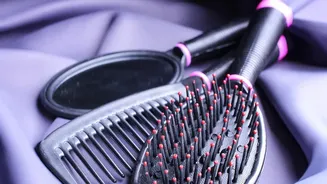
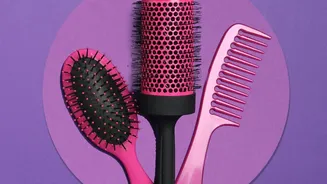
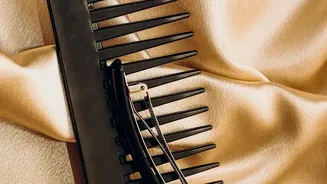
Your standard plastic comb is often a major culprit in the fight against static. Plastic is an insulator, meaning it doesn't conduct electricity well. When you run a plastic comb through your hair, it readily accepts the electrons from your hair strands, creating a strong positive charge in your hair that leads to significant static and frizz. Furthermore, many mass-produced plastic combs have tiny, sharp seams left over from the moulding process. These microscopic imperfections can snag and pull on the hair's outer layer, or cuticle, causing not just static but also breakage and split ends.
The Wooden Comb: A Natural Solution
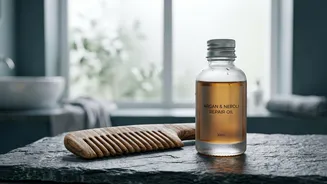
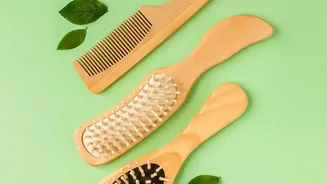
This is where the wooden comb shines. Wood, unlike plastic, is a naturally non-conductive material, which means it does not build up or transfer an electrical charge as easily. Some sources also refer to it as carbon-based and neutral. By using a wooden comb, you avoid creating the imbalance of electrons that causes your hair to stand on end. The material naturally disperses charge, calming the hair with each stroke instead of energizing it with static. The result is smoother, flatter hair that is far less prone to flyaways, even in the driest winter air.
Beyond Static: More Hair Health Benefits
The advantages of a wooden comb extend well beyond just controlling static. The smooth, rounded teeth glide through hair with significantly less friction than plastic, reducing the mechanical stress that leads to breakage and split ends. This gentle action makes detangling less damaging, which over time can help hair retain length and appear fuller. Wooden combs are also excellent at distributing your scalp's natural oils, called sebum, from the roots down to the ends. This natural conditioning process helps moisturize the entire hair shaft, fighting the dryness that contributes to static while adding a healthy, natural shine. Finally, the feel of wood on the scalp provides a gentle massage, which can help stimulate blood circulation to the follicles.
Choosing and Caring for Your Wooden Comb
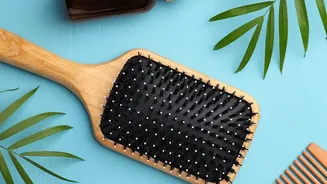
When selecting a wooden comb, look for one made from a durable, smooth wood like neem, sandalwood, or bamboo. Ensure the teeth are well-sanded and rounded, with no sharp edges or splinters that could damage your hair or scalp. The right comb for you also depends on your hair type; wide-tooth combs are ideal for thick, curly, or tangled hair, while finer teeth work well for straight, thin hair. To keep your comb in great shape, clean it regularly with a mild soap and warm water, but avoid prolonged soaking, which can cause the wood to swell. Let it dry completely before its next use to maintain its hygiene and structural integrity.