






The Unbeatable Case for Water
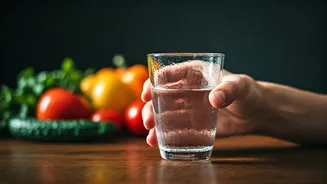
Your body is made up of about 60% water, and it’s crucial for nearly every function. From regulating temperature and lubricating joints to carrying nutrients to your cells and keeping your organs working properly, water does it all. Staying well-hydrated
improves brain function, mood, and sleep quality. Even mild dehydration can leave you feeling tired, unable to think clearly, and can contribute to headaches. The best part? Water is free of calories, sugar, and additives, making it the purest and most effective form of hydration for most people throughout the day. For the vast majority of our daily activities, from working at a desk to a light walk, water is the perfect choice.
The 'Fancy Drink' Illusion
The beverage aisle is packed with drinks that promise enhanced performance, an electrolyte boost, or a full day's worth of vitamins. However, many of these claims are more about marketing than necessity. For the average person, the electrolytes lost through daily sweat are minimal and easily replenished with a balanced diet. Likewise, vitamin-enhanced waters often contain added sugars that can counteract any potential health benefits. One professor of nutrition noted that many people are now 'malhydrated' because they consume so many sugary beverages, including vitamin waters, which can be loaded with sugar. Often, these drinks contain excessive amounts of certain vitamins, which your body may not need and will simply excrete.
Decoding the Beverage Aisle
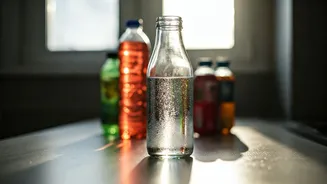
It’s important to know what you’re drinking. Sports drinks, for example, are specifically designed for endurance athletes engaged in intense activity for over an hour. They contain sugar for quick energy and electrolytes like sodium and potassium to replace what's lost in significant amounts of sweat. For a person sitting at a desk, a sports drink is simply a sugary beverage that can contribute to unwanted weight gain and other health issues. Vitamin waters are often no better, with some popular brands containing nearly as much sugar as a soda. A 20-ounce bottle can pack around 30 grams of sugar, providing unnecessary calories without significant nutritional benefit for most people.
When Is More Than Water Needed?
There are, of course, exceptions to the 'water-first' rule. Elite athletes, or anyone engaging in high-intensity exercise for more than an hour, especially in the heat, can benefit from a sports drink to replenish lost electrolytes and provide energy. Situations that cause significant fluid loss, such as a bout of vomiting or diarrhea, may also call for an electrolyte beverage to help restore balance. But these are specific circumstances. For most people, most of the time, the body's kidneys do an excellent job of regulating electrolyte levels, which are sufficiently supplied through a normal diet.
Simple Ways to Elevate Your Water
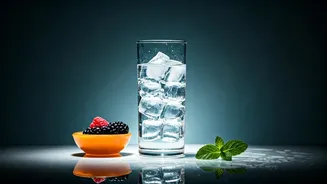
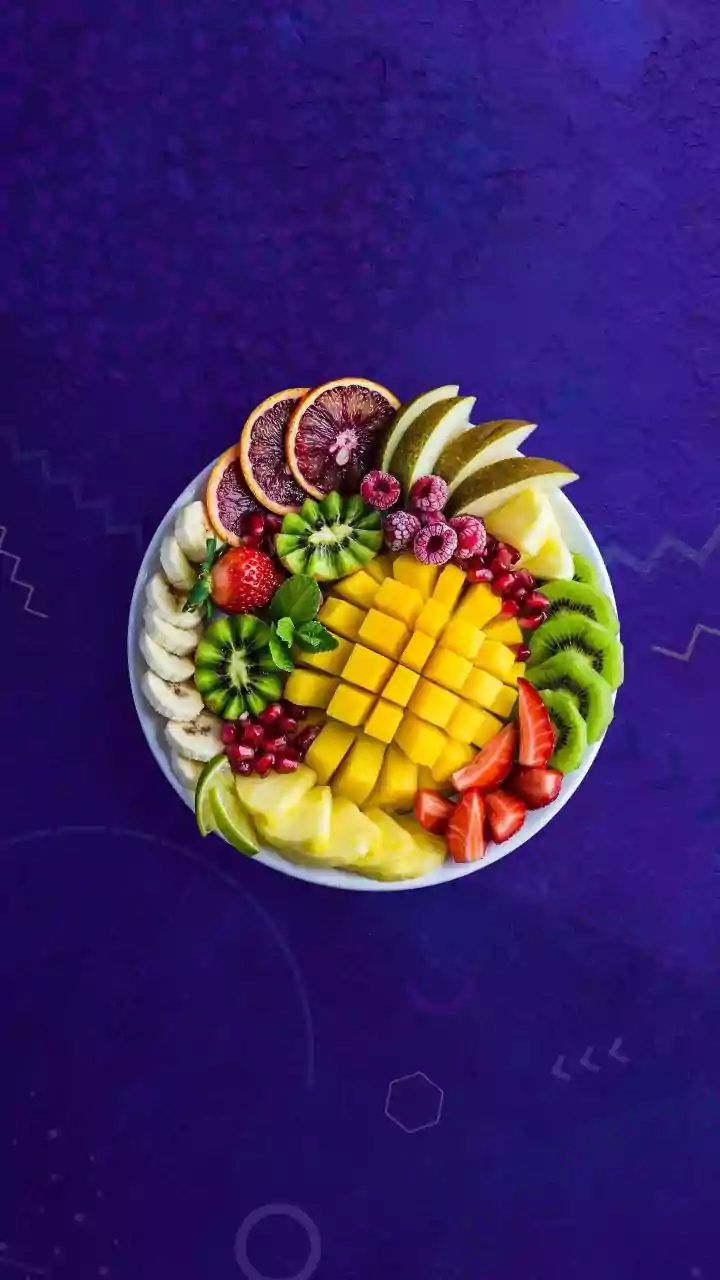
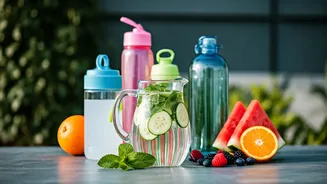
If you find plain water boring, there’s no need to turn to sugary alternatives. There are plenty of healthy ways to make your water more appealing. Try infusing a pitcher of water with slices of lemon, lime, cucumber, or orange. A few crushed mint leaves or a handful of berries can also add a refreshing burst of natural flavour without adding sugar. Carrying a reusable water bottle can serve as a constant reminder to sip throughout the day. By making water your go-to beverage, you're not just making the healthiest choice for your body—you're also saving money and avoiding the hidden sugars and unnecessary ingredients in so many other drinks.